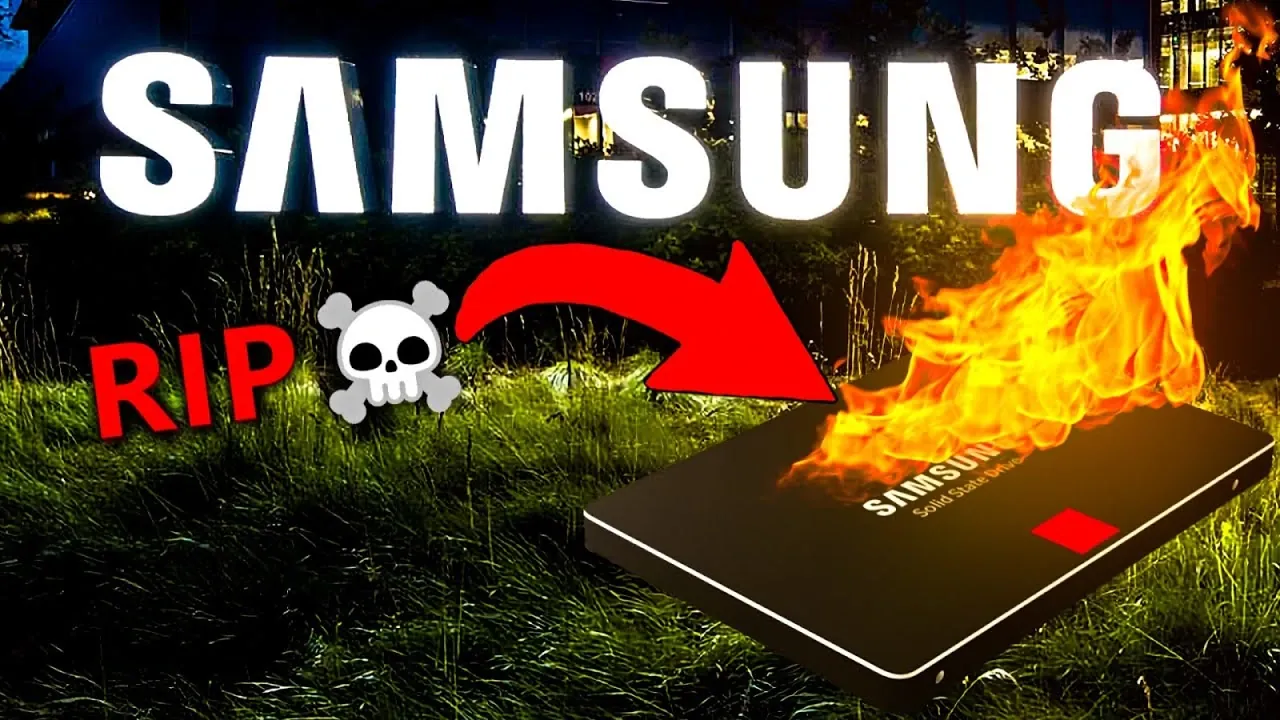
What if the storage solution you’ve relied on for years was suddenly on the brink of extinction? In a bold move that’s sending shockwaves through the tech world, Samsung has announced it will cease production of SATA SSDs by January 2026. For decades, these drives have been the go-to choice for affordable and reliable storage, especially for older systems and budget-conscious users. But as the industry pivots toward innovative technologies like NVMe SSDs and advanced memory solutions, the era of SATA SSDs is coming to an end. This revelation covered by Moore’s Law Is Dead isn’t just about a product line, it’s a signal of a seismic shift in how we think about storage in a world increasingly dominated by speed, efficiency, and innovation.
So, what does this mean for you? Whether you’re a casual user, a gamer, or a business managing legacy systems, the implications are significant. From potential price surges and supply shortages to the growing necessity of transitioning to NVMe SSDs, this shift will ripple across the storage market. But there’s more to this story than just logistics. What’s driving Samsung’s decision? And how can you prepare for a future where SATA SSDs are no longer an option? In this revelation, we’ll unpack the reasons behind this strategic move, explore its impact on consumers and businesses, and help you navigate the changing landscape of storage technology. After all, the clock is ticking.
Samsung Ends SATA SSD Era
TL;DR Key Takeaways :
- Samsung will cease production of SATA SSDs by January 2026, signaling a shift toward high-performance storage technologies like NVMe SSDs, HBM4 memory, and GDDR7 graphics memory.
- The discontinuation reflects the declining competitiveness of SATA SSDs in terms of speed and efficiency compared to newer technologies.
- This move is expected to lead to supply shortages and price increases for SATA SSDs, impacting consumers and businesses reliant on these drives.
- Samsung’s strategic focus on advanced storage solutions aligns with growing demands from AI applications, next-gen gaming consoles, and data centers.
- Consumers and businesses are advised to plan ahead, upgrade storage solutions, and transition to NVMe SSDs to avoid future disruptions and rising costs.
Why Samsung is Phasing Out SATA SSDs
SATA SSDs have been a cornerstone of affordable and compatible storage solutions for years, particularly for older systems and budget-conscious users. However, Samsung’s decision to phase out this technology is driven by the industry’s shift toward faster and more efficient alternatives. SATA SSDs, while reliable, are no longer competitive in terms of speed and performance when compared to NVMe SSDs. By discontinuing production, Samsung aims to reallocate resources toward more advanced and profitable technologies.
This change will have a direct impact on consumers and businesses that rely on SATA SSDs. While Samsung has committed to fulfilling existing contracts, the production halt means that no new SATA SSDs will be manufactured. This decision underscores the company’s focus on innovation and profitability, aligning with broader market trends that prioritize innovative solutions over legacy technologies.
What This Means for the Storage Market
The discontinuation of SATA SSDs is expected to create significant changes in the storage market, particularly for users who depend on these drives for their affordability and compatibility. Here are some key implications:
- Supply Shortages: As production ceases, the availability of SATA SSDs will decline, potentially leading to shortages in the market.
- Price Increases: Reduced supply coupled with sustained demand is likely to drive up prices, making it more expensive to upgrade or replace storage.
- Market Shift: The focus will increasingly move toward NVMe SSDs and other advanced storage technologies, which offer superior performance and efficiency.
For consumers, this means that acting sooner rather than later could help mitigate the impact of rising prices and limited availability. Businesses, too, will need to plan ahead to ensure they can meet their storage needs without disruption.
Samsung Halts SATA SSD Production : Buy Storage Before 2026!
Here are more detailed guides and articles that you may find helpful on SSD storage.
- Planck Phone SSD: High-Speed Storage for 4K Video & RAW Files
- Expand Your Mac mini Storage with ORICO MiniMate SSD
- SanDisk modular SSD storage solutions
- Add a Raspberry Pi 5 SSD NVMe storage with ease
- Beelink Expand F external SSD storage and USB-C dock
- How to upgrade Apple Silicon laptop soldered SSD storage
- World’s first portable eGPU with SSD storage
- Vapor chamber liquid cooled M.2 SSD storage
- 48TB Raspberry Pi NAS with SSD storage costs $5,000
- Blackjet Valkyrie 1TB MacBook SSD external storage
Samsung’s Strategic Shift to High-Performance Products
Samsung’s decision to phase out SATA SSDs is part of a broader strategy to focus on high-performance products that cater to emerging market demands. NVMe SSDs, for instance, offer significantly faster data transfer speeds and greater energy efficiency compared to their SATA counterparts. Similarly, advanced memory technologies like HBM4 and GDDR7 are designed to support the intensive requirements of AI workloads and next-generation gaming consoles.
This strategic shift not only aligns with Samsung’s commitment to innovation but also positions the company to capitalize on the growing demand for high-performance storage solutions. By prioritizing these technologies, Samsung is better equipped to meet the needs of industries that are rapidly evolving, such as AI, gaming, and data centers.
How This Affects You
For consumers and businesses alike, the discontinuation of SATA SSDs will necessitate adjustments in how storage solutions are approached. Here are some key considerations:
- Stockpiling Risks: As SATA SSDs become scarcer, panic buying and hoarding may occur, further driving up prices and limiting availability.
- Upgrade Decisions: If you’re planning a storage upgrade, now may be the best time to act to avoid higher costs and ensure compatibility with your system.
- Future Compatibility: Transitioning to NVMe SSDs or other advanced storage solutions will likely become a necessity as SATA SSDs are phased out.
For businesses, this shift highlights the importance of proactive planning to avoid potential disruptions in storage procurement and system compatibility. Staying informed about these changes will be crucial for making strategic decisions.
The Future of Storage Technology
The storage market is on the cusp of significant transformation, with advanced technologies poised to dominate in the coming years. By 2027, a consumer “mega-cycle” is anticipated, driven by the adoption of innovative storage solutions for AI applications, next-generation gaming consoles like the PlayStation 6 and future Xbox models, and other high-performance devices. While prices for storage may eventually stabilize, the affordability and widespread availability of SATA SSDs are unlikely to return.
Instead, NVMe SSDs and other advanced technologies will take center stage, offering faster speeds, greater efficiency, and enhanced capabilities. This shift reflects the broader trend of technological advancement and the increasing demand for solutions that can keep pace with the evolving needs of consumers and industries.
Broader Industry Trends
Samsung’s decision to discontinue SATA SSD production is part of a larger trend within the tech industry. As AI and server markets continue to expand, companies are reallocating resources to meet the demands of these high-growth sectors. This shift is also contributing to pricing volatility, with panic buying and hoarding of storage products further complicating the market. For consumers and businesses, staying informed about these trends will be essential for navigating the rapidly changing landscape of storage technologies.
Key Takeaways
The end of SATA SSD production marks a pivotal moment in the storage industry. Here are the key points to keep in mind:
- Plan Ahead: If you rely on SATA SSDs, consider upgrading or purchasing additional storage now to avoid higher costs and limited availability.
- Embrace New Technologies: Prepare for a transition to NVMe SSDs and other advanced storage solutions as the industry moves forward.
- Stay Informed: Keeping up with industry trends will help you make informed decisions about your storage needs and future-proof your systems.
Samsung’s decision to halt SATA SSD production reflects a broader shift in the tech industry toward high-performance, innovative solutions. By planning ahead and adapting to these changes, you can ensure that your storage needs are met effectively in the years to come.
Media Credit: Moore’s Law Is Dead
Disclosure: Some of our articles include affiliate links. If you buy something through one of these links, Geeky Gadgets may earn an affiliate commission. Learn about our Disclosure Policy.
