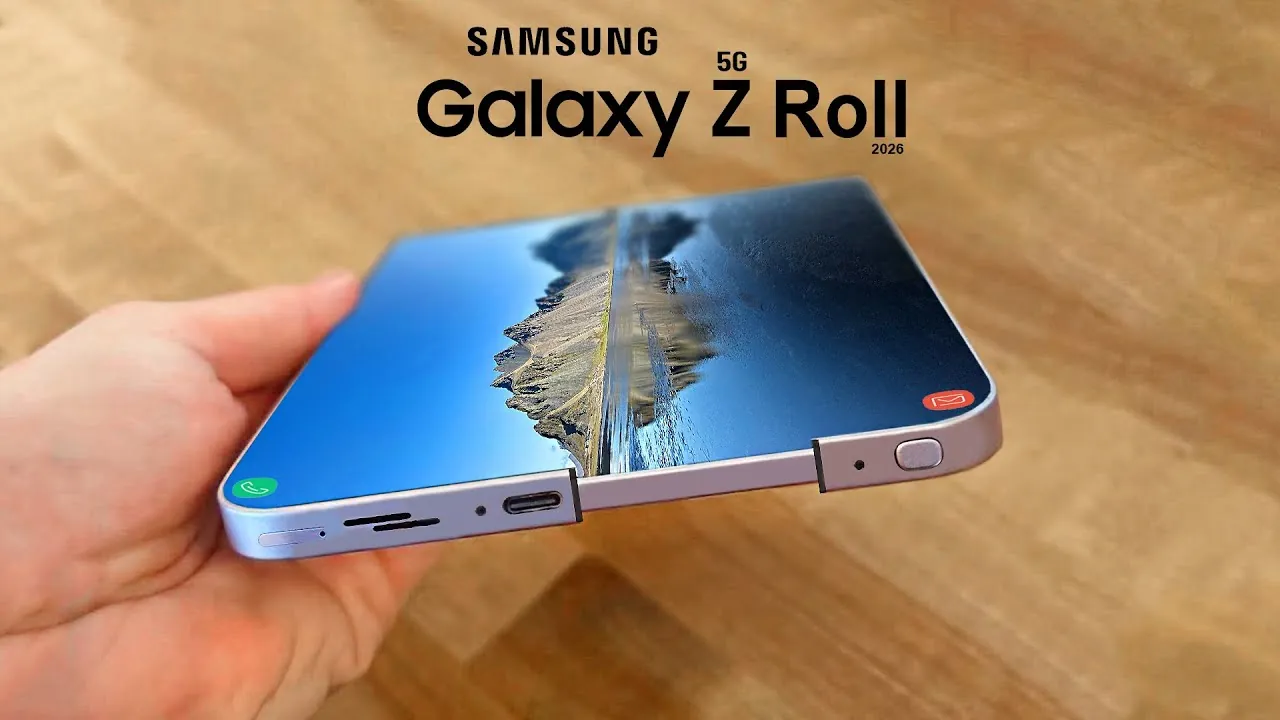
The Samsung Galaxy Z Roll 5G is rumored to introduce a bold evolution in smartphone technology, transitioning from foldable to rollable displays. By integrating motorized mechanisms to extend and retract its screen, this device aims to redefine how you interact with mobile technology. Its design promises a seamless, crease-free display experience, potentially eliminating the need for secondary screens. However, as with any emerging technology, its success hinges on addressing critical challenges related to durability, cost, and practicality. The video below from Miror Pro gives us more details about the rumored device.

What Makes Rollable Phones Stand Out?
Rollable smartphones, such as the Galaxy Z Roll 5G, bring a range of innovative features that distinguish them from both traditional and foldable devices. These advancements include:
- Automated Screen Extension: The motorized mechanisms allow the display to extend and retract automatically, eliminating the need for manual folding. This creates a more intuitive and user-friendly experience.
- Crease-Free Displays: Unlike foldable screens, rollable displays avoid visible creases, making sure a smooth, uninterrupted surface for activities like streaming, gaming, or multitasking.
- Streamlined Design: Rollable phones have the potential to replace secondary displays. Essential functions such as notifications and quick replies can be integrated into the back of the device, simplifying its overall structure while maintaining functionality.
These features suggest a future where smartphones are not only more versatile but also tailored to meet the evolving demands of users. However, the road to widespread adoption is not without obstacles.
Challenges Facing Rollable Technology
While rollable smartphones offer exciting possibilities, they also face significant challenges that could delay their mainstream adoption. These include:
- Durability Concerns: The motorized mechanisms introduce moving parts that are prone to wear and tear over time. Additionally, rollable screens, often made from flexible materials, may be more vulnerable to scratches and damage compared to traditional glass displays.
- Water and Dust Resistance: The mechanical components required for screen extension create potential entry points for moisture and debris. This makes achieving robust waterproofing and dust resistance more complex, potentially compromising the device’s longevity.
- Bulkier Design: The hardware needed to support rollable functionality often results in a thicker and heavier device, which could affect portability and user comfort.
- Battery Efficiency: Motorized mechanisms and additional hardware components consume more power, potentially reducing battery life. This could be a drawback for users who prioritize long-lasting performance in their devices.
- High Production Costs: Rollable displays are expensive to manufacture, leading to higher retail prices. This could limit accessibility for many consumers, especially when compared to more affordable foldable or traditional smartphones.
These challenges underscore the need for further refinement and innovation before rollable smartphones can become a practical and widely accepted choice for consumers.
What Lies Ahead for Rollable Smartphones?
The Galaxy Z Roll 5G and similar devices represent a bold step forward in smartphone design, offering a glimpse into the future of mobile technology. However, their success depends on how quickly manufacturers can address the durability, cost, and design challenges that currently limit their practicality.
For now, foldable smartphones and traditional designs remain more reliable and accessible options for most users. Rollable phones, while innovative, are still in their infancy and face an uphill battle to gain mainstream acceptance. If manufacturers can refine the technology, reduce production costs, and improve durability, rollable smartphones could eventually become a popular choice. Until then, they remain an exciting but uncertain innovation, offering a tantalizing glimpse of what the next generation of smartphones might look like.
Here is a selection of other guides from our extensive library of content you may find of interest on Rollable smartphone technology.
- Samsung Galaxy Z Roll and Tri-Fold: Next-Gen Foldable Phones
- Samsung Galaxy Z Tri-Fold Price, Features, and Release Date
- Samsung Galaxy Z Roll: Features, Release Date, and More
- Samsung Galaxy Z Roll Mini Leaks: From Tablet to Phone in an
- Samsung Galaxy Z Fold 7: The Foldable Phone That Changes
Source & Image Credit: Miror Pro
Disclosure: Some of our articles include affiliate links. If you buy something through one of these links, Geeky Gadgets may earn an affiliate commission. Learn about our Disclosure Policy.
