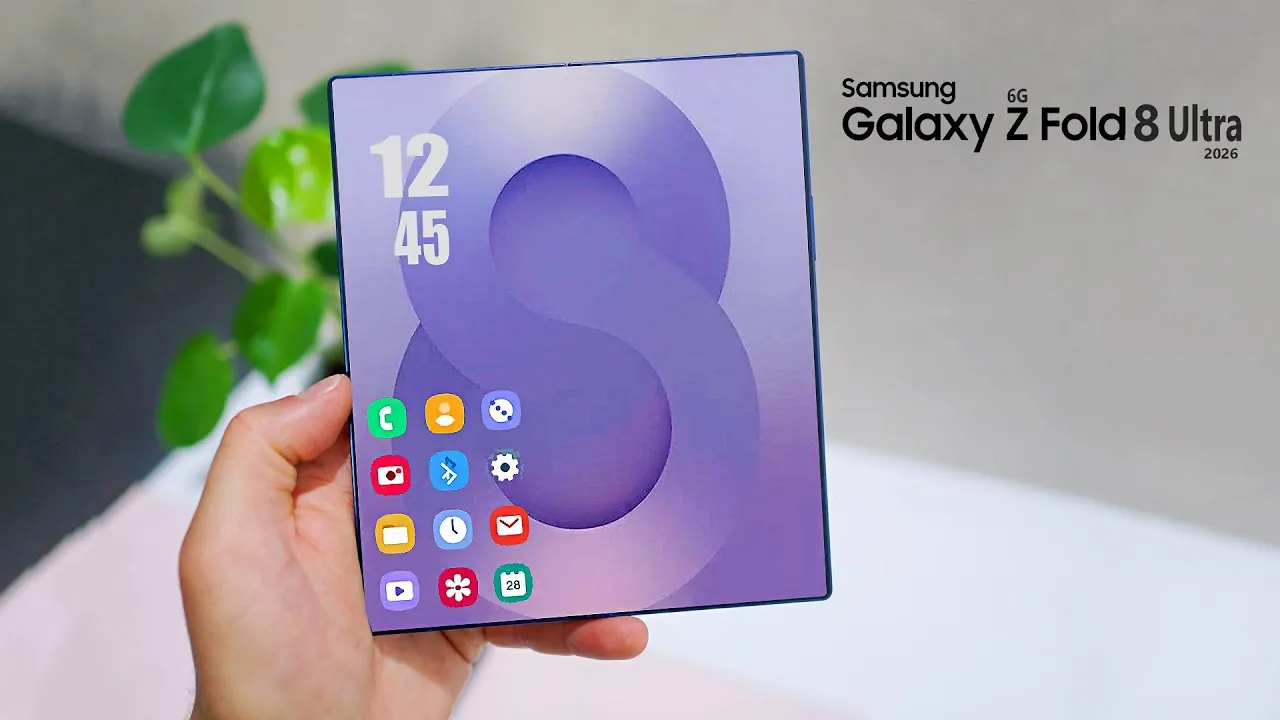
Samsung’s highly anticipated Galaxy Z Fold 8 may introduce a significant shift in the design of foldable smartphones. Reports indicate that the company is considering replacing the titanium backplate used in the Galaxy Z Fold 7 with carbon fiber reinforced plastic. This potential change underscores the complex interplay between material innovation, supply chain dynamics, and global economic factors that shape the development of innovative devices. As foldable smartphones continue to evolve, Samsung’s decision could set a precedent for future design and manufacturing trends. The video below from Miror Pro gives us more details on the rumored device.

Why Titanium Was Key to the Galaxy Z Fold 7
The Galaxy Z Fold 7’s titanium backplate was a cornerstone of its design, offering a combination of strength, durability, and premium aesthetics. Titanium’s exceptional strength-to-weight ratio made it an ideal choice for a foldable device, making sure the phone could endure the repeated mechanical stresses of folding and unfolding. This durability was critical in addressing consumer concerns about the longevity of foldable smartphones. Additionally, titanium’s sleek and lightweight properties contributed to the device’s high-end feel, aligning with the expectations of premium smartphone users. By incorporating titanium, Samsung not only enhanced the structural integrity of the Galaxy Z Fold 7 but also reinforced its position as a leader in the foldable market.
Carbon Fiber Reinforced Plastic: A Lightweight Contender
If Samsung opts for carbon fiber reinforced plastic in the Galaxy Z Fold 8, the material’s lightweight and flexible properties could offer distinct advantages. Carbon fiber, which Samsung previously used in the Galaxy Z Fold 3, is renowned for its strength and adaptability. While it may not match titanium’s rigidity, it could significantly reduce the device’s overall weight, improving portability and user comfort. This change could appeal to consumers seeking a more lightweight and ergonomic foldable experience. However, questions remain about the material’s ability to provide the same level of durability and structural support as titanium, particularly in a market where foldable phones are scrutinized for their robustness. Samsung will need to carefully evaluate whether the benefits of reduced weight outweigh potential compromises in durability.
External Pressures Driving Material Choices
The potential shift from titanium to carbon fiber reinforced plastic may be driven more by external pressures than by engineering preferences. Global supply chain disruptions, exacerbated by the COVID-19 pandemic, have made sourcing high-quality titanium increasingly challenging. Additionally, ongoing trade tensions between major economies, particularly the United States and China, have impacted the availability and cost of critical materials. These geopolitical and economic factors are likely influencing Samsung’s exploration of alternative materials to ensure production timelines remain on track and costs are kept under control. By considering carbon fiber reinforced plastic, Samsung may be seeking a solution that balances material performance with the realities of a volatile global market.
Innovation vs. Practicality: A Delicate Balance
The Galaxy Z Fold 8’s potential material redesign highlights the broader challenge of balancing technological innovation with practical constraints. Advanced materials like titanium and carbon fiber are essential to the progression of foldable smartphones, but their adoption is often dictated by factors such as cost, availability, and manufacturing feasibility. Samsung’s decision will likely reflect a compromise between maintaining the high performance and durability consumers expect and adapting to external pressures that influence production. This balancing act is emblematic of the challenges faced by the entire smartphone industry as it navigates the complexities of innovation in a rapidly changing global landscape.
What This Means for the Future
The Galaxy Z Fold 8 represents more than just the next step in Samsung’s foldable smartphone lineup—it serves as a barometer for broader industry trends. Whether Samsung retains titanium or transitions to carbon fiber reinforced plastic, the decision will have far-reaching implications for the device’s performance, cost, and market positioning. A shift to carbon fiber could signal a new direction in foldable design, emphasizing lightweight construction and cost efficiency. Conversely, sticking with titanium would reaffirm Samsung’s commitment to premium materials and durability. Regardless of the final choice, the Galaxy Z Fold 8 will likely influence the trajectory of foldable smartphone development, shaping how manufacturers address consumer demands and adapt to global challenges.
- Key Takeaway: The Galaxy Z Fold 8 may redefine material design in foldable smartphones, balancing innovation with external pressures.
- Why It Matters: Material choices directly impact a device’s durability, weight, cost, and overall user experience.
- Looking Ahead: Samsung’s decision will likely set a precedent for future trends in foldable smartphone design and manufacturing.
Enhance your knowledge on Galaxy Z Fold 8 by exploring a selection of articles and guides on the subject.
- Samsung Galaxy Watch 8 Classic: Features, Design, and More
- Samsung Galaxy Z Fold 7 and Z Flip 7: Features and More
- Samsung Galaxy Z Fold 7: Slimmer, Smarter, and More Durable
- Galaxy Z Fold 7: Display, Design, and Performance
- Samsung Galaxy Watch 8 Classic: Advanced Features & More
Source & Image Credit: Miror Pro
Disclosure: Some of our articles include affiliate links. If you buy something through one of these links, Geeky Gadgets may earn an affiliate commission. Learn about our Disclosure Policy.
