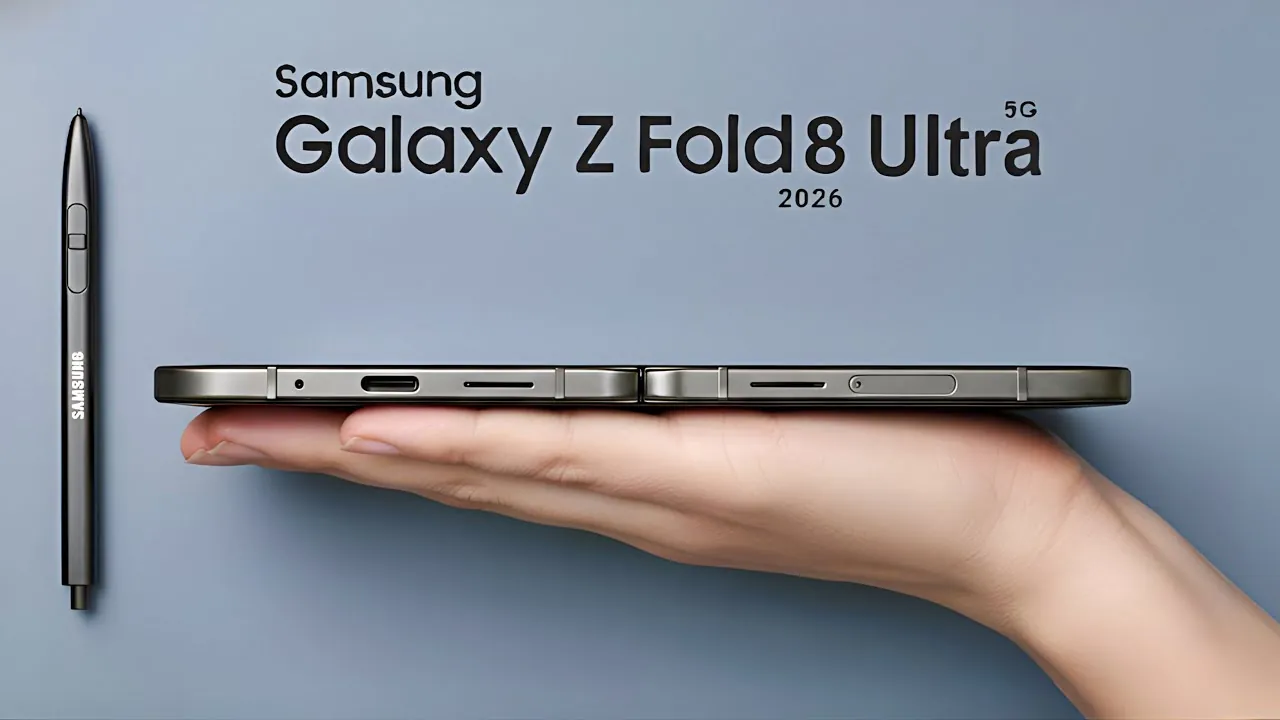
Samsung has taken a significant step forward in foldable smartphone innovation with the Galaxy Z Fold 8. By introducing a creaseless foldable OLED display, the company has addressed one of the most persistent challenges in foldable design. This breakthrough, combined with structural enhancements and user-centric features, reinforces Samsung’s position as a leader in the foldable market. Meanwhile, Apple is preparing to enter the foldable arena with its first foldable iPhone, adopting a distinct engineering approach. Both devices are expected to launch later this year, offering consumers a choice between two unique visions of foldable technology.

Creaseless Display: A Technological Milestone
The Galaxy Z Fold 8’s creaseless OLED display marks a major leap in foldable technology. Samsung achieved this by integrating metal reinforcements that enhance structural stability while maintaining the display’s flexibility. Additionally, the use of a softer adhesive reduces stress on the display during folding, making sure greater durability over time.
This innovation eliminates the visible crease—a common issue in earlier foldable models—and addresses concerns about long-term reliability. The result is a device that combines visual sophistication with practical durability, setting a new benchmark for foldable smartphones. By solving these challenges, Samsung has redefined user expectations, offering a device that is both aesthetically pleasing and built to last.
Apple’s Approach: Glass Reinforcement for Elegance
Apple’s entry into the foldable market brings a different perspective. The company is reportedly focusing on glass reinforcement to achieve a premium and rigid feel for its first foldable iPhone. This approach aligns with Apple’s broader design philosophy, emphasizing a clean and uniform aesthetic.
While glass reinforcement offers benefits such as superior scratch resistance and a polished appearance, its performance in a foldable form factor remains uncertain. Apple’s strategy highlights its commitment to design elegance, which could appeal to users who prioritize aesthetics over durability. This approach sets the stage for an intriguing comparison between Apple’s design-driven philosophy and Samsung’s durability-focused innovation.
Durability vs. Design: Contrasting Philosophies
The Galaxy Z Fold 8 and Apple’s foldable iPhone represent two distinct engineering philosophies. Samsung’s device prioritizes durability, with metal reinforcements and advanced adhesives creating a robust yet flexible structure. This design ensures long-term reliability, making it ideal for users seeking a device that can withstand daily wear and tear.
In contrast, Apple’s foldable iPhone is expected to focus on design sophistication, using glass reinforcement to deliver a seamless and premium user experience. This approach caters to users who value aesthetic refinement and a polished look. These differing priorities offer consumers a choice between a device built for practical durability and one that emphasizes visual appeal.
Hardware Features: A Tale of Two Devices
The Galaxy Z Fold 8 features innovative hardware designed to enhance functionality and user experience. Key features include:
- A 200 MP main camera, a 50 MP ultrawide lens, and a 10 MP telephoto lens, allowing advanced photography capabilities.
- A wider screen for improved multitasking and usability, making it ideal for productivity and entertainment.
- A side-mounted fingerprint reader for quick and secure access.
Apple’s foldable iPhone, by comparison, is expected to feature a simpler dual-camera setup, likely prioritizing ease of use and reliability over high-end specifications. While it will also include a side-mounted fingerprint reader, its hardware appears to focus on delivering a streamlined and user-friendly experience. This contrast highlights the different priorities of the two companies, with Samsung pushing the boundaries of hardware innovation and Apple emphasizing simplicity and elegance.
Software Optimization: The Deciding Factor
Apple’s strength lies in its software ecosystem, which is expected to play a pivotal role in the success of its foldable iPhone. With its hallmark optimization, intuitive user interface, and robust developer support, Apple could deliver a seamless and polished experience, even with simpler hardware. This software-driven approach ensures that users benefit from a cohesive and reliable device.
Samsung, on the other hand, continues to lead in foldable hardware innovation. The Galaxy Z Fold 8 builds on years of refinement, offering a feature-rich experience that pushes the boundaries of what foldable devices can achieve. Samsung’s focus on hardware advancements, combined with its evolving software capabilities, provides a compelling alternative for users seeking innovative technology. This interplay between hardware and software underscores the unique strengths of each company, giving consumers a choice between software-driven polish and hardware-driven innovation.
Market Impact: The Future of Foldable Smartphones
Apple’s entry into the foldable market is expected to have a profound impact on the industry. With its established brand loyalty and expertise in software optimization, Apple could drive broader consumer interest in foldable devices, potentially accelerating their adoption. Meanwhile, Samsung’s continued innovation ensures it remains a dominant force, setting the standard for what foldable technology can achieve.
The competition between these two tech giants is likely to spur further advancements, benefiting consumers with more choices and better technology. As foldable smartphones become more mainstream, this rivalry will play a crucial role in shaping the market’s future, making sure that innovation continues to thrive.
Looking Ahead: Anticipated Launches
Both the Samsung Galaxy Z Fold 8 and Apple’s foldable iPhone are slated for release in the second half of 2026. These devices represent the next evolution in smartphone technology, offering a glimpse into the future of mobile innovation. As the foldable market matures, the competition between Samsung and Apple will drive further advancements, making sure that consumers have access to innovative devices that cater to a wide range of preferences and needs.
Expand your understanding of Creaseless Foldable OLED Display with additional resources from our extensive library of articles.
- Apple’s iPhone Fold: Creaseless Display and Hybrid Design
- Creaseless Display on the Galaxy Z Fold 8 is A Fantastic option
- iPhone Fold Price, Specs, and Release Date Rumors
- Apple’s Foldable iPhone Ultra: Features, Design, and Release Date
- iPhone Fold: How It Stacks Up Against Samsung’s Foldables
Source & Image Credit: Demon’s Tech
Disclosure: Some of our articles include affiliate links. If you buy something through one of these links, Geeky Gadgets may earn an affiliate commission. Learn about our Disclosure Policy.
