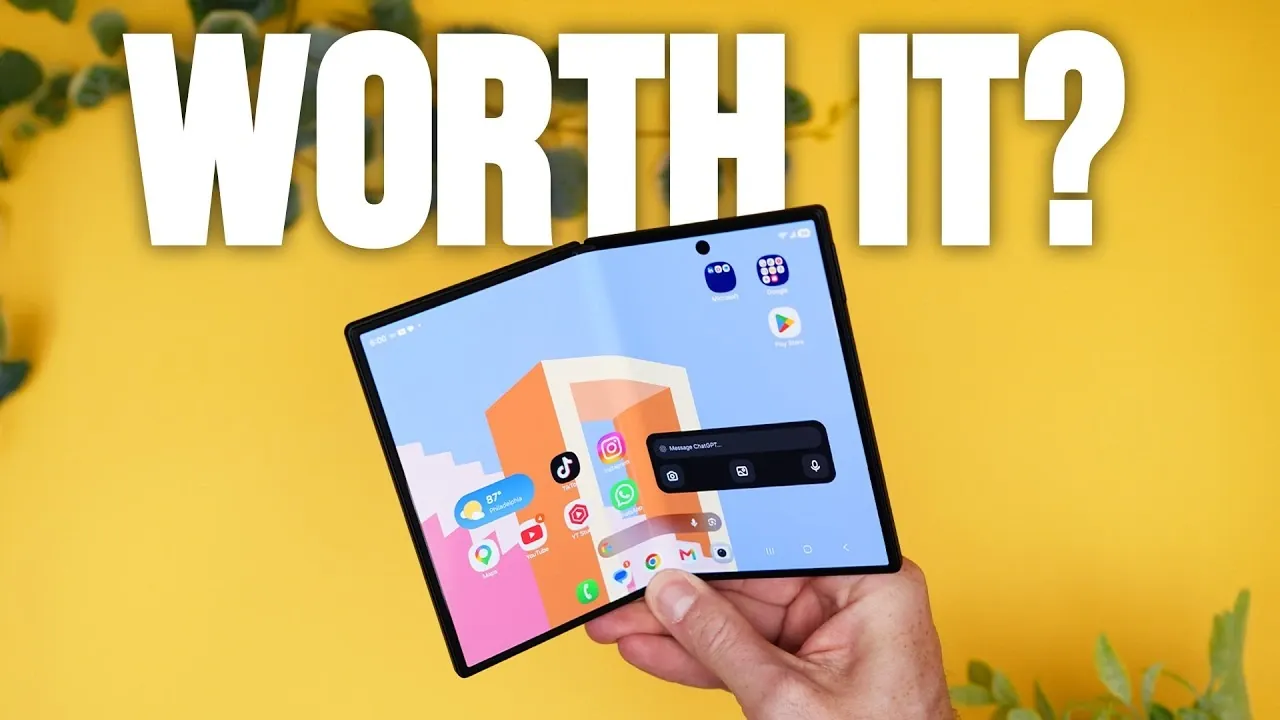
The Samsung Galaxy Z Fold 8 is a striking example of foldable smartphone innovation, but its $1,900 price tag raises important questions about its overall value. With a titanium hinge mechanism and a slim 4.5mm profile when unfolded, the device emphasizes portability and durability. However, as Tech Fowler highlights, the absence of S Pen support and a telephoto lens may leave some users questioning whether the Fold 8 justifies its premium cost. These trade-offs, combined with its unique design, make it a device tailored for a specific audience rather than a broad consumer base.
Dive into this breakdown to explore how the Fold 8’s advanced AMOLED displays enhance content consumption, why its multitasking capabilities may require adjustments for certain workflows and how its battery life stacks up against daily demands. You’ll also gain insight into the ergonomic challenges posed by its wide cover screen and the impact of its unconventional aspect ratios on app compatibility. This explainer will help you weigh the device’s strengths and limitations to determine if it aligns with your priorities.
Design and Build Quality
TL;DR Key Takeaways :
- The Samsung Galaxy Z Fold 8 features a sleek, lightweight design with a titanium hinge, making it one of the thinnest foldable devices, but the hinge offers limited adjustability compared to competitors.
- Its AMOLED displays deliver stunning visuals with a 120Hz refresh rate and up to 3,000 nits brightness, but the unique aspect ratios may cause app compatibility issues and ergonomic challenges.
- Powered by the Snapdragon 8 Elite Gen 5 processor and up to 16GB RAM, the Fold 8 excels in performance and multitasking, though some third-party apps may not fully support the foldable format.
- The dual-camera system performs well in good lighting but lacks a telephoto lens, limiting its versatility compared to other flagship devices in its price range.
- With a starting price of $1,899, the Fold 8 targets a niche audience, but the absence of features like S Pen support and magnetic charging may make it less appealing for some users.
The Galaxy Z Fold 8 features a compact, notebook-inspired design that prioritizes portability and functionality. When unfolded, it measures an impressively slim 4.5mm, making it one of the thinnest foldable devices on the market. Its lightweight frame is reinforced by a titanium hinge mechanism, which enhances durability while reducing the visibility of the display crease. This hinge design improves the folding experience but offers less adjustability compared to some competing foldables, which may limit its versatility in certain use cases.
The outer display features a 16:9 aspect ratio, making it ideal for horizontal content such as videos and gaming. However, this aspect ratio can feel less intuitive for vertical scrolling and app navigation. Additionally, the wide cover screen may present challenges for users with smaller hands, potentially affecting one-handed usability. While the design is undeniably sleek, these ergonomic considerations may impact the overall user experience.
Display Performance
Samsung has equipped the Galaxy Z Fold 8 with state-of-the-art AMOLED displays, making sure a visually stunning experience. The outer screen measures 5.5 inches and features a 120Hz refresh rate with a resolution of 1248×1972 pixels. When unfolded, the inner display expands to 7.6 inches, offering a 120Hz adaptive refresh rate, a resolution of 1828×2448 pixels and an impressive peak brightness of 3,000 nits. These specifications make the device a standout for content consumption, delivering vibrant colors, deep contrast and smooth motion.
Despite these impressive display capabilities, the unique aspect ratio of the inner screen can create compatibility challenges with certain apps. Some applications may not fully use the expanded screen dimensions, which could hinder multitasking and productivity for users who rely on specific software. This limitation underscores the importance of evaluating how the device fits into your daily workflow.

Browse through more resources below from our in-depth content covering more areas on Samsung Galaxy Z Fold 8.
- Samsung’s Foldable Masterpiece: Galaxy Z Fold 8 Ultra Leaks
- Samsung Galaxy Z Fold 8 Size Comparison: Wide vs Ultra Models
- Will the Samsung Galaxy Z Fold 8 Wide Fit In Your Pocket?
- Samsung’s Galaxy Z Fold 8 Ultra Is Finally the Leap We’ve Been Waiting For
- Why the Samsung Galaxy Z Fold 8 Ultra is Breaking the Internet
- Why the Galaxy Z Fold 8 Wide Makes Every Other Foldable Look Outdated
- Bad News For Your Wallet: Leaked Galaxy Z Fold 8 Ultra, Flip 8 and Watch 9 Prices
- What Samsung Just Revealed About the Galaxy Z Fold 8 Ultra
- Forget the Narrow Screen: Why the Galaxy Z Fold 8 Wide is the Real Upgrade
- Galaxy Z Fold 8 Models Side-by-Side: One Fits Your Pocket, One Is a Massive Tablet
Performance and Multitasking
The Galaxy Z Fold 8 is powered by the Snapdragon 8 Elite Gen 5 processor, making sure flagship-level performance. With up to 16GB of RAM available on the 1TB storage model, the device is well-equipped to handle demanding tasks such as gaming, video editing and running multiple applications simultaneously. Whether you’re streaming high-definition content or managing complex workflows, the Fold 8 delivers a smooth and responsive experience.
However, the foldable design introduces unique challenges. While Samsung’s software optimizations enhance multitasking with features like split-screen functionality and app continuity, some third-party applications may not fully support the foldable format. This could require adjustments to your workflow, particularly if you rely on specific apps that are not optimized for the device’s unconventional screen layout.
Camera Capabilities
The Galaxy Z Fold 8 features a dual-camera system on the rear, consisting of a 50MP main sensor and a 50MP ultrawide lens. Both the inner and outer displays house 10MP selfie cameras, providing adequate options for casual photography and video calls. In well-lit conditions, the cameras perform admirably, capturing sharp and vibrant images.
However, the absence of a telephoto lens limits the device’s zoom capabilities, which may disappoint photography enthusiasts seeking a more versatile camera setup. While the Fold 8’s camera system is sufficient for everyday use and social media, it falls short of the advanced photography features offered by other flagship devices in its price range. This omission is particularly notable given the premium cost of the device.
Battery Life and Charging
The Galaxy Z Fold 8 is equipped with a 4,800mAh battery, providing reliable all-day performance under moderate usage. Samsung’s battery optimization features help extend usage time, even with the power-intensive AMOLED displays. This ensures that the device can keep up with your daily activities without frequent recharging.
Charging options include 45W fast charging and 20W wireless charging, allowing you to quickly replenish the battery when needed. However, the device does not support MagSafe or similar magnetic charging technologies, which could be a drawback for users accustomed to such features. While the charging capabilities are robust, the lack of magnetic charging options may feel like a missed opportunity for added convenience.
Key Features and Drawbacks
The Galaxy Z Fold 8 introduces several innovative features but also comes with notable limitations that may influence your purchasing decision:
- No S Pen Support: Unlike some previous Samsung foldables, the Fold 8 does not support the S Pen. While this contributes to a thinner and lighter design, it may disappoint users who rely on the S Pen for productivity tasks such as note-taking or drawing.
- Hinge Limitations: The titanium hinge is durable and sleek but offers less flexibility in positioning compared to competing foldable devices, which may limit its adaptability in certain scenarios.
- Wide Cover Screen: While excellent for media consumption, the wide cover screen may feel unwieldy for one-handed use, particularly for users with smaller hands.
- Premium Price: Starting at $1,899, the Fold 8 is priced for a niche audience. The absence of features like a telephoto lens and S Pen support may make it difficult to justify the cost for some users.
Price and Competitors
The Galaxy Z Fold 8 starts at $1,899 for the 256GB model, with the 1TB variant priced at $2,499. At this price point, it competes with the Fold 8 Ultra, which offers superior cameras and additional features for $200 more. While the Fold 8 excels in design and display quality, its high cost positions it as a luxury device rather than a practical choice for the average consumer. Traditional flagship smartphones and tablets often provide better value, offering comparable performance and features at a significantly lower price.
Final Verdict
The Samsung Galaxy Z Fold 8 is a remarkable device that pushes the boundaries of foldable technology. Its sleek design, vibrant displays and powerful performance make it an excellent choice for content consumption and multitasking. However, its premium price and the absence of key features like a telephoto lens and S Pen support limit its appeal to a niche audience.
If you are an enthusiast of foldable technology and prioritize portability and innovative display quality, the Fold 8 may be worth considering. For most users, however, traditional flagship smartphones or tablets offer a more practical and cost-effective alternative, delivering similar performance and features without the premium price tag.
Media Credit: Tech Fowler
Disclosure: Some of our articles include affiliate links. If you buy something through one of these links, Geeky Gadgets may earn an affiliate commission. Learn about our Disclosure Policy.
