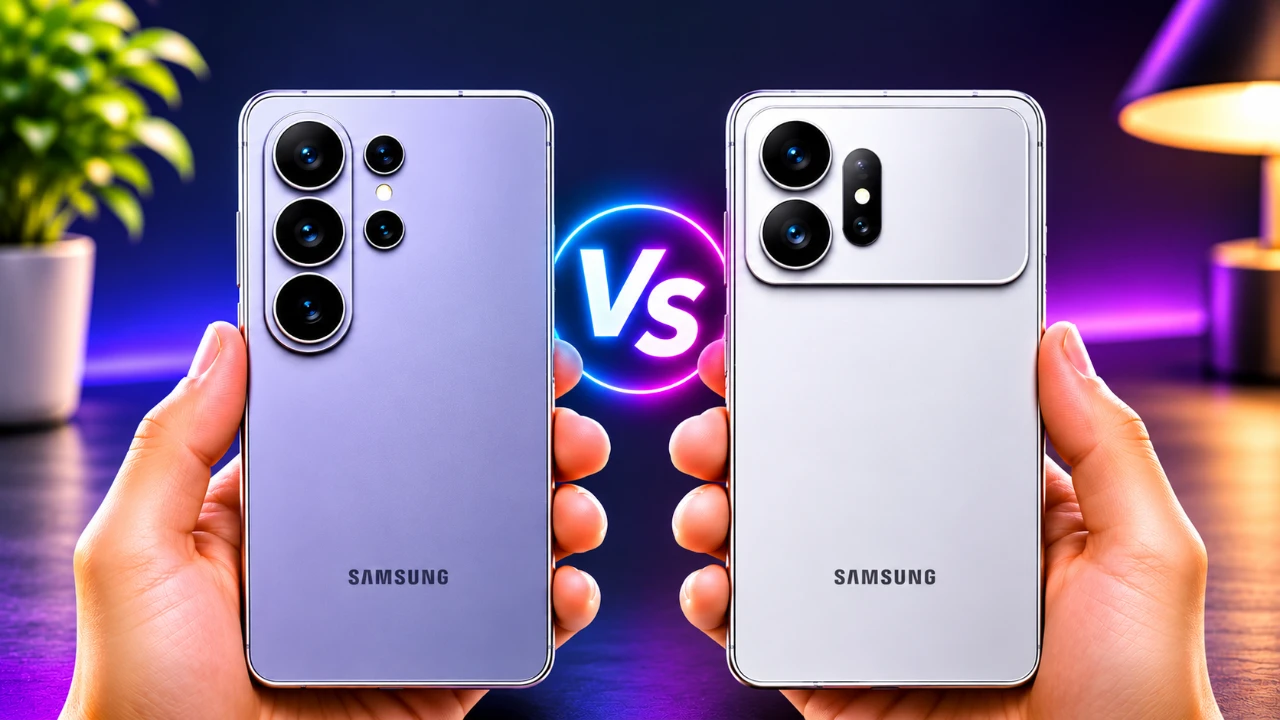
The Samsung Galaxy S27 Ultra introduces a blend of advancements and compromises, offering a refined flagship experience while sparking debate among tech enthusiasts. With a higher rumored price point, improved battery capacity, and a redesigned aesthetic, it aims to push the boundaries of premium smartphones ahead of its expected early 2027 debut. However, the rumored removal of the dedicated 3x telephoto lens and limited upgrades in certain areas may leave some questioning whether it’s a worthwhile leap from the S26 Ultra.
TL;DR Key Takeaways :
- 5,700 mAh Silicon-Carbon Boost: Breaks Samsung’s long-standing 5,000 mAh ceiling with a 14% capacity jump paired with a more efficient M16 OLED panel.
- The 3x Telephoto Catch: Rumors indicate Samsung is dropping the dedicated 10MP 3x zoom lens, relying on sensor cropping from a new 200MP ISOCELL HP6 primary camera instead.
- Wide Camera Bar & Privacy Display 2: Replaces individual floating lens rings with a horizontal camera plateau while adding native DC dimming and smarter Privacy Display controls.
- Steeper Price Tag: Tipped to start around $1,499—up from the S26 Ultra’s $1,299.99 launch price (and $100 above its post-October $1,399.99 tag).
Price: A Steep Climb
One of the most noticeable differences between the S27 Ultra and its predecessor is the price. Rumored to start at $1,499 in the US, the S27 Ultra sits $200 above the S26 Ultra’s original $1,299.99 launch price—and $100 higher than its post-October $1,399.99 adjusted retail tag (with steeper jumps when factoring in discounted S26 Ultra street deals). This increase reflects rising component costs alongside the integration of technologies such as the M16 OLED display and 2nm silicon. While these enhancements are appealing, the higher entry price raises a critical question: do the upgrades justify the additional cost? For current S26 Ultra owners, the answer depends heavily on how much they value extra endurance and display refinements.
Battery: Bigger and Better
The S27 Ultra delivers a long-awaited jump in battery capacity, moving to a rumored 5,700 mAh silicon-carbon cell—a 14% increase over the 5,000 mAh pack used across the S26 Ultra and six prior Ultra generations. Combined with the energy-efficient M16 OLED display and 2nm chipset efficiency, this upgrade promises noticeably longer screen-on endurance for power users. Although wired charging speeds remain capped at 60W alongside 25W Qi2 magnetic wireless charging, Samsung is expected to maintain steady charging curves over extended sessions. For users who found the S26 Ultra’s battery life adequate, this upgrade may feel evolutionary, but it’s a welcome breakthrough for heavy travelers and gamers.
Camera: Gains and Losses
The camera system on the S27 Ultra introduces both advancements and compromises. Moving from a quad-camera array down to a triple-lens setup, the removal of the dedicated 10MP 3x telephoto lens marks a major shift, with Samsung relying on high-resolution in-sensor cropping from a new 200MP ISOCELL HP6 main sensor alongside a 50MP ultrawide and 50MP 5x periscope zoom. The updated primary sensor is designed to capture cleaner light and wider dynamic range, particularly in tricky contrast, while the front camera is also tipped to step up to 16MP. Still, the absence of a dedicated 3x optical lens raises valid questions about mid-range zoom consistency in dim lighting—a potential trade-off for portrait shooters.
Design: A New Look with Drawbacks
The S27 Ultra debuts a bold visual shift, replacing the individual floating camera rings of the S26 Ultra with a wide horizontal camera plateau. This cleaner bar layout helps reduce table wobble when the phone rests flat and frees up internal room for native magnetic Qi2 alignment. However, this redesign comes with an immediate practical drawback: older cases are completely incompatible, requiring upgraders to replace their existing protective covers and accessories. While the refreshed rear aesthetic aligns the Ultra with the rumored Galaxy S27 Pro, longtime fans may need time to warm up to the departure from Samsung’s signature ring silhouette.

Display: A Standout Feature
The 6.9-inch QHD+ display remains one of the S27 Ultra’s strongest assets. It introduces Privacy Display Version 2 with smarter directional viewing controls for split-screen apps and sensitive notifications, catering to commuters and multitaskers. Upgrading from the S26 Ultra’s M14 panel to Samsung’s new M16 OLED material brings higher peak efficiency and lower power draw. Additionally, the inclusion of native DC dimming helps reduce low-brightness PWM flicker, making the screen noticeably gentler on sensitive eyes. For buyers who prioritize display comfort and privacy, this panel represents a meaningful step forward.
Performance and Software: Polished and Powerful
The S27 Ultra is powered by Qualcomm’s 2nm Snapdragon 8 Elite Extreme Gen 6 processor (with Samsung’s Exynos 2700 also rumored for select markets), paired with faster LPDDR6 RAM and UFS 5.0/5.1 storage. This hardware delivers faster graphics and stronger on-device AI throughput for demanding games and creative workflows. The device also launches with Android 17 and One UI 9.5, introducing native App Lock, upgraded Expert RAW controls, and smarter Bixby automation. While many One UI 9.5 features will roll out to the S26 Ultra via software updates, the S27 Ultra’s 2nm silicon and memory bandwidth give it extra headroom.
Should You Upgrade?
For owners of older flagships like the Galaxy S24 Ultra or S25 Ultra, the S27 Ultra’s 5,700 mAh battery, M16 OLED panel, and 2nm chipset add up to a substantial generational leap. However, for current S26 Ultra owners, the calculus is far tighter. Core traits like the 6.9-inch screen size, 60W wired charging, and S Pen functionality carry over largely intact, while the higher rumored $1,499 price tag and dropped 3x lens introduce real trade-offs. Unless longer battery endurance and Privacy Display 2 sit at the top of your wishlist, holding onto the S26 Ultra remains a smart move.
Balancing Innovation and Practicality
The Samsung Galaxy S27 Ultra strikes a careful balance between hardware ambition and everyday practicality, delivering welcome gains in battery capacity, display efficiency, and processing speed. Yet the removal of the dedicated 3x telephoto lens and a steeper starting price ensure it won’t be an automatic upgrade for everyone. Weighing those camera and pricing catches against its battery and screen upgrades will make it clear which Ultra belongs in your pocket.
Enhance your knowledge of the Samsung Galaxy S27 Ultra by exploring a selection of articles and guides on the subject.
- Samsung Galaxy S27 Ultra: First Look at the Biggest Changes Coming Next Year
- Samsung Galaxy S27 Ultra Release Date: When to Expect the Next Flagship
- Why the Galaxy S27 Ultra Could Be Samsung’s Best Phone in Years
- Inside the Galaxy S27 Ultra: Every Rumor, Leak and Upgrade So Far
- Leaked Galaxy S27 Ultra Specs Point to a Massive Battery and Camera Overhaul
Source & Image Credit: Techtics
Disclosure: Some of our articles include affiliate links. If you buy something through one of these links, Geeky Gadgets may earn an affiliate commission. Learn about our Disclosure Policy.
