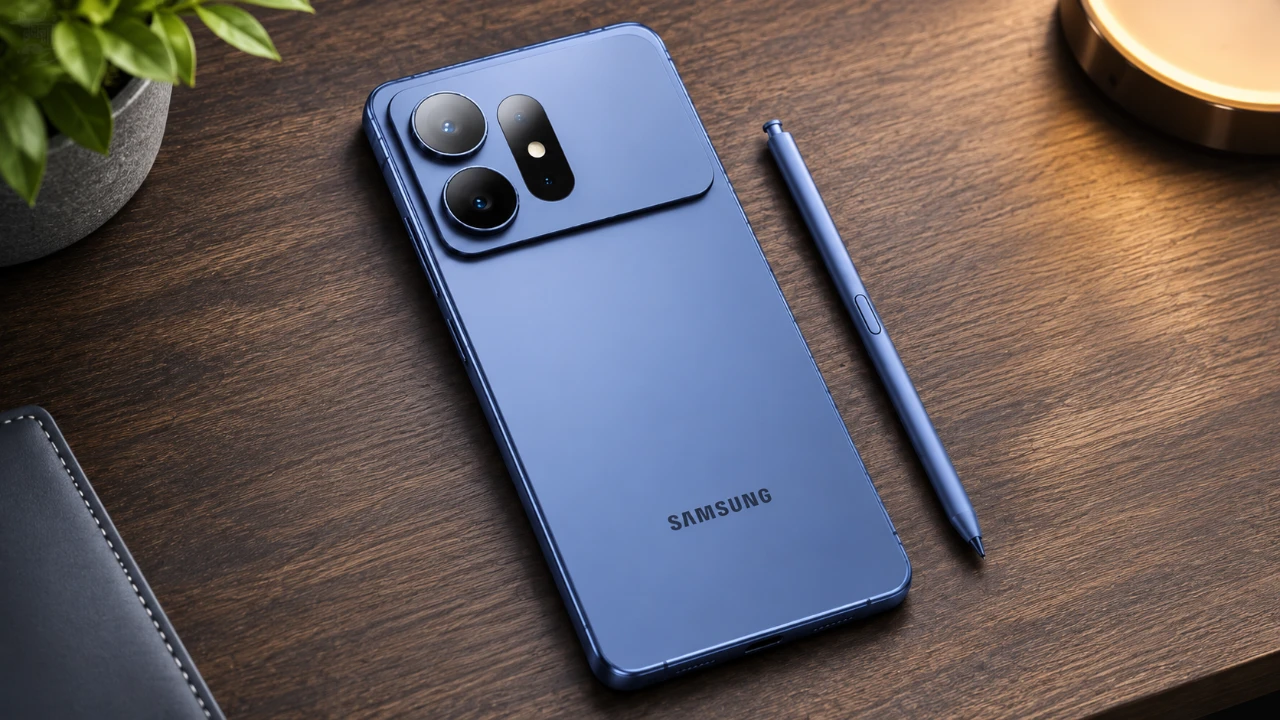
The Samsung Galaxy S27 Ultra introduces a range of advancements in camera technology, artificial intelligence (AI), and production strategy, aiming to solidify its position as a leader in the premium smartphone market. However, these innovations come with trade-offs, including higher prices and the introduction of subscription-based services for certain features. As a consumer, you’ll need to carefully evaluate whether the benefits of innovative technology justify the financial commitment required to own one of Samsung’s flagship devices.
TL;DR Key Takeaways :
- Camera Shakeup: The S27 Ultra packs a new 200MP HP6 main sensor and 5x zoom, but drops a dedicated secondary telephoto lens.
- Galaxy AI Premium: Advanced cloud features like Bixby Action and Gen Video are rumored to require a $4.99/month subscription tier.
- Production Pivot: Over 70% of production focus leans heavily into upper-tier Pro and Ultra variants to offset surging component costs.
- Value Pressure: Rising price tags across the board force consumers to heavily weigh hardware trade-offs against competitive flagships.
Camera Technology: Progress with Compromises
The Galaxy S27 Ultra brings notable changes to its camera system, but not all of these changes are improvements. Samsung has removed the secondary telephoto camera, instead relying on a 5x zoom sensor and a 200MP HP6 sensor for intermediate zoom capabilities. While the 200MP sensor excels in delivering exceptional detail, the 5x zoom sensor remains similar to previous generations and faces intense competition from rival flagships that set higher standards for mobile photography.
For the Galaxy S27 Pro, the camera hardware includes a 3x zoom sensor utilizing reliable previous-generation technology. Meanwhile, the base and Plus models retain older camera components. Although there are rumors regarding updated main sensors across the lineup, the mixed nature of these hardware adjustments leaves potential buyers uncertain about the extent of the overall upgrades.
These compromises in camera technology highlight the challenges Samsung faces in balancing innovation with maintaining a competitive edge in the smartphone market.
Production Strategy: A Focus on Premium Models
Samsung’s production strategy for the Galaxy S27 series reflects a clear emphasis on its premium Pro and Ultra models, with over 70% of production allocated to these higher-end devices. This shift aligns with consumer trends observed in past generations, where Ultra models accounted for the vast majority of early sales, driven by demand for advanced features and superior performance.
While this strategy caters to consumers seeking top-tier devices, it may limit options for those on a budget. By prioritizing premium models, Samsung risks alienating cost-conscious buyers who may turn to competitors offering better value at lower price points. This approach could reshape the competitive landscape, as rival brands capitalize on the growing demand for accessible yet capable smartphones.

AI Features: Innovation with a Price Tag
The Galaxy S27 Ultra introduces advanced AI capabilities powered by the new One UI 9.5 software, enhancing the user experience with tools designed to simplify daily tasks. Features such as enhanced Bixby functionality allow you to automate tasks using natural language commands, making the device more intuitive and efficient. Additionally, tools like conversation summaries, reminders, and task automation are accessible through dedicated software interfaces, offering practical benefits for productivity and organization.
However, these innovations come at a cost. Some advanced AI functionalities, including Bixby Action and Gen Video (photo-to-video generation), require a subscription to Galaxy AI Premium, priced at $4.99 per month. Even free AI features may be subject to daily usage limits, potentially leading to additional charges for extended use. This subscription-based model reflects a broader trend among smartphone manufacturers to monetize software, raising questions about the long-term affordability of premium devices.
For consumers, the introduction of subscription fees for AI features adds another layer of expense, making it essential to consider whether these tools justify the ongoing costs.
Pricing and Consumer Impact
The Galaxy S27 lineup is expected to carry higher price tags, driven by rising memory costs and Samsung’s focus on premium models. For consumers, this means that owning a top-tier smartphone like the S27 Ultra could be more expensive than ever, especially when factoring in subscription fees for advanced AI features.
While the Galaxy S27 Ultra offers innovative technology, its pricing strategy may influence purchasing decisions. Competitors continue to push boundaries in camera and AI technology, often at more competitive price points. This dynamic could challenge Samsung’s approach of tying advanced features to additional costs, potentially reshaping consumer expectations and smartphone pricing trends in the years ahead.
Ultimately, the Galaxy S27 Ultra represents a blend of technological innovation and financial trade-offs, requiring careful consideration of your needs, preferences, and budget before making a purchase.
Discover other guides from our vast content that could be of interest on Samsung Galaxy S27 Ultra.
- Samsung Galaxy S27 Ultra Leaks: Why the 4-Camera Era Might Be Officially Over
- Samsung Galaxy S27 Ultra: First Look at the Biggest Changes Coming Next Year
- Major Design Change Leaks for the Samsung Galaxy S27 Ultra
- Samsung Galaxy S27 Ultra Release Date: When to Expect the Next Flagship
- Why the Galaxy S27 Ultra Could Be Samsung’s Best Phone in Years
Source & Image Credit: Techtics
Disclosure: Some of our articles include affiliate links. If you buy something through one of these links, Geeky Gadgets may earn an affiliate commission. Learn about our Disclosure Policy.
