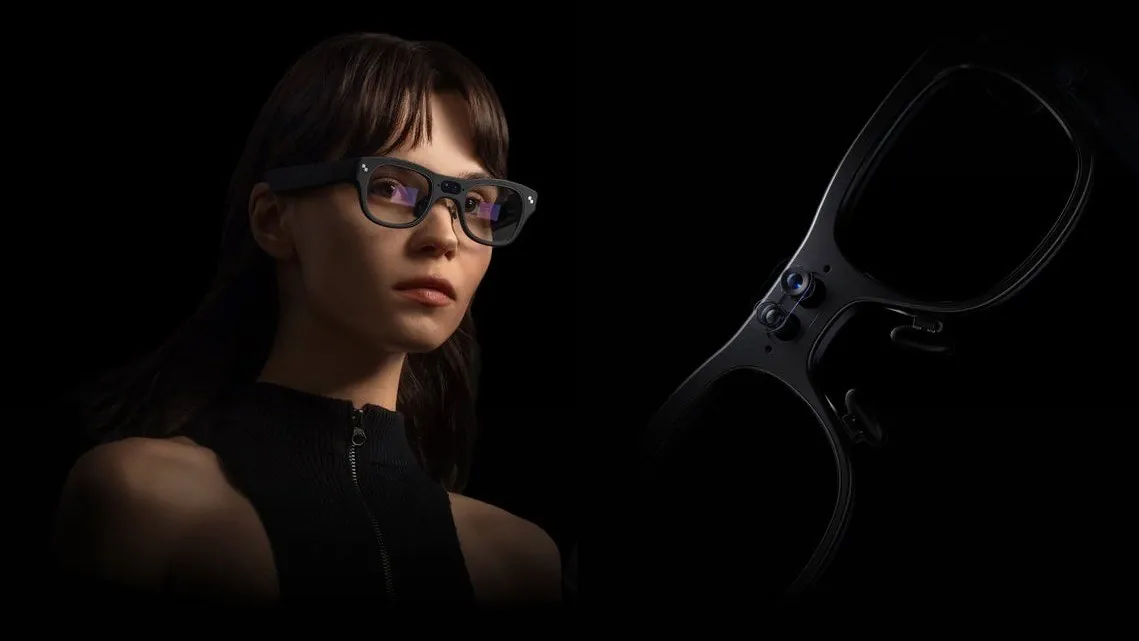
RayNeo has unveiled a new range of smart glasses, featuring advancements such as AI-powered displays, micro LED waveguide technology and extended reality (XR) functionality. The flagship model, the RayNeo X3 Pro, includes dual micro LED waveguide displays and Gemini AI integration, allowing features like facial recognition and object identification. However, as Kola explains, these innovations face hurdles like regional restrictions and limited availability, which may impact their broader reach.
Explore this guide to understand how the RayNeo GT Max combines XR features with a more accessible price point, what makes the X3 Pro particularly suited for professional use and the challenges RayNeo faces in expanding accessibility. This breakdown offers a detailed look at the features, trade-offs and practical considerations surrounding these devices.
RayNeo X3 Pro: A Flagship Model Redefining Immersion
TL;DR Key Takeaways :
- RayNeo unveiled three advanced smart glasses models at AWE 2026, showcasing innovations in AI-powered display technology, micro LED waveguide displays and extended reality (XR) capabilities.
- The flagship RayNeo X3 Pro features dual micro LED waveguide displays, Gemini AI integration for advanced functionalities and targets tech enthusiasts and professionals with its premium design and price point.
- The RayNeo GT Max offers a budget-friendly entry into XR technology with 3 Degrees of Freedom (DOF) tracking, a 59° FOV and Bang & Olufsen sound, but is currently limited to the Chinese market.
- RayNeo hinted at a future model expected in 2027, potentially featuring compact displays and AI-driven capabilities, though details remain speculative.
- Global accessibility remains a challenge, with regional restrictions and limited availability highlighting the need for more inclusive distribution to reach a broader audience.
The RayNeo X3 Pro stands out as the flagship model, designed to deliver a premium and immersive experience for users seeking innovative technology. Equipped with dual micro LED waveguide displays, the glasses provide exceptional clarity and a wide field of view (FOV), making them ideal for applications requiring high visual fidelity. The integration of Gemini AI enhances the device’s functionality, offering features such as facial recognition, object identification, and calorie estimation. These capabilities make the X3 Pro a versatile tool for both personal and professional use, from urban navigation to fitness tracking.
Despite its compact and portable design, the X3 Pro is positioned as a high-end product, catering primarily to tech enthusiasts and professionals who value advanced features and are willing to invest in premium technology. However, its premium price point may limit its appeal to a broader audience, particularly those seeking more affordable options.
RayNeo GT Max: XR Technology for Everyday Users
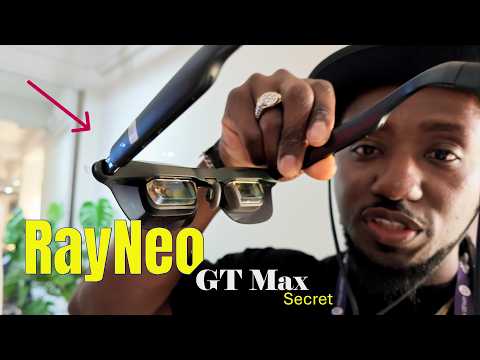
For users exploring XR technology on a budget, the RayNeo GT Max offers an accessible alternative without compromising on essential features. These lightweight glasses are equipped with 3 Degrees of Freedom (DOF) tracking and a 59° FOV, making them suitable for casual use and everyday applications. The inclusion of a Bang & Olufsen sound system ensures a high-quality audio experience, complementing the visual capabilities and enhancing overall usability.
While the RayNeo GT Max provides an affordable entry point into XR technology, its availability is currently restricted to China. This regional exclusivity presents a significant barrier for international consumers, who may need to navigate complex import processes or travel to access the product. Such limitations underscore the challenges of making innovative technology accessible to a global audience, particularly for budget-conscious users.
Unlock more potential in smart glasses by reading previous articles we have written.
- Google’s New AI Smart Glasses Are Leaving Meta Behind
- Move Over, Ray-Ban Meta: Samsung’s AI Galaxy Smart Glasses Are Finally Coming This Year
- Nothing Al Smart Glasses : Premium AR Features with Everyday Comfort
- Apple Glasses Leak: The Features That Could Kill Meta’s Ray-Bans
- Samsung Galaxy Smart Glasses: The Newest Addition to the Ecosystem Arrives in 2026
- Leak: Apple Testing Four Distinct Frame Styles for Upcoming 2027 Smart Glasses
- Samsung’s New Smart Glasses Are Aiming Straight for Meta’s Crown
- Forget Vision Pro: Apple Glass “Early Look” Set for 2026 (Leaked)
- Google’s Gemini Smart Glasses Make Meta Ray-Bans Look Outdated
- The Wait Is Almost Over: Apple’s Smart Glasses Just Hit a Major Production Milestone
What’s Next? A Tease of Future Innovation
RayNeo has also offered a glimpse into its future plans, hinting at a new model expected to build on the success of the Inmo Go 3. While details remain limited, the upcoming product is rumored to feature compact displays and AI-driven capabilities similar to its predecessors. Speculation suggests a potential release in 2027, but the company has yet to confirm specifics regarding features, pricing, or availability.
If realized, this future model could further solidify RayNeo’s reputation as a leader in smart glasses innovation. However, the lack of concrete information leaves potential buyers and industry observers with more questions than answers. The anticipation surrounding this release highlights the growing demand for accessible, feature-rich smart glasses that cater to a diverse range of users.
Global Accessibility: A Persistent Challenge
While RayNeo’s smart glasses represent significant technological progress, their limited availability raises critical concerns about global accessibility. The RayNeo GT Max’s exclusivity in China and the uncertainty surrounding the international release of other models illustrate the broader challenges faced by the tech industry in making sure that innovations reach a diverse, global audience.
For consumers outside primary markets, acquiring these devices may require navigating import restrictions, dealing with higher costs, or even traveling abroad. These barriers not only limit the reach of RayNeo’s products but also highlight the need for a more inclusive approach to distribution. Addressing these challenges will be essential for RayNeo and other tech companies aiming to meet the needs of a worldwide consumer base.
Bridging the Gap Between Innovation and Accessibility
RayNeo’s latest smart glasses exemplify the company’s ability to deliver both high-end solutions and budget-friendly options in the XR and AI-powered display space. The RayNeo X3 Pro offers unparalleled functionality for advanced users, while the RayNeo GT Max provides an accessible entry point for those new to XR technology. However, the regional restrictions and limited availability of these models remain significant obstacles, potentially alienating a global audience eager to embrace these innovations.
As the demand for smart glasses continues to grow, RayNeo has an opportunity to lead the industry by addressing these accessibility challenges. By expanding availability, streamlining distribution channels and making sure that their products are accessible to a broader audience, the company can bridge the gap between technological innovation and global inclusivity. Such efforts will not only enhance RayNeo’s reputation but also set a new standard for accessibility in the rapidly evolving smart glasses market.
Media Credit: Kola
Disclosure: Some of our articles include affiliate links. If you buy something through one of these links, Geeky Gadgets may earn an affiliate commission. Learn about our Disclosure Policy.
