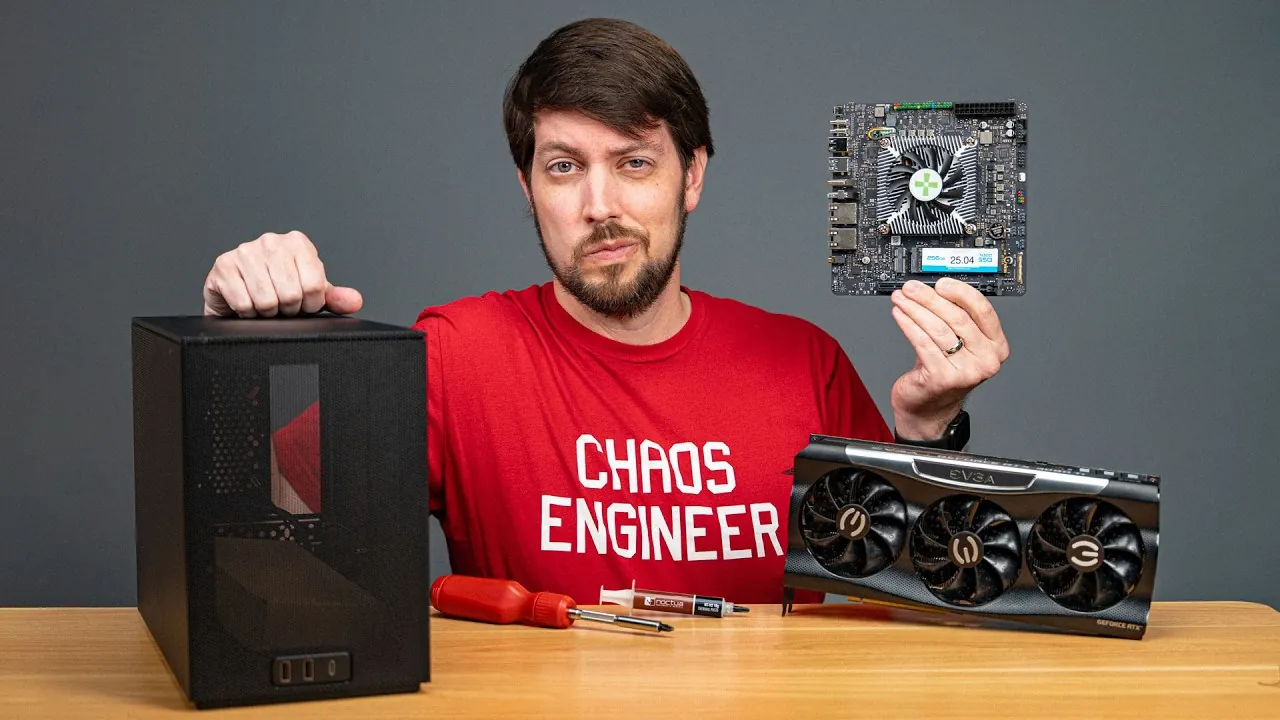
What if you could build a compact, ARM-based system that bridges the gap between low-power single-board computers and high-performance enterprise hardware? The Radxa Orion O6, an ITX motherboard with an impressive array of features, promises to do just that. With dual 5Gb Ethernet ports, PCIe Gen 4 support, and a mobile-class ARM CPU, it’s a tantalizing option for enthusiasts seeking flexibility and power in a small form factor. But as with many ambitious products, the devil is in the details. Firmware quirks, inconsistent performance, and limited software support raise a critical question: does the Orion O6 deliver on its bold aspirations, or is it a platform still searching for its footing?
Below Jeff Geerling explores what makes the Radxa Orion O6 both exciting and frustrating. From its hardware versatility to its struggles with driver compatibility, this motherboard is a study in contrasts. Whether you’re considering it for a lightweight server, a custom networking device, or an experimental ARM-based PC, there’s much to uncover about its potential—and its pitfalls. Join us as we navigate the strengths and shortcomings of this ambitious platform, and consider whether it’s a worthy addition to your next project or a product best left to mature. Sometimes, the promise of innovation comes with a price.
Radxa Orion O6 Overview
TL;DR Key Takeaways :
- The Radxa Orion O6 is an ARM-based ITX motherboard positioned between low-power SBCs and high-performance ARM systems, offering extensive hardware features but limited by firmware and software challenges.
- Key hardware highlights include a mobile-class ARM CPU with soldered LPDDR5 RAM, dual USB-C ports, dual 5Gb Ethernet, HDMI, USB 3.2, and a PCIe Gen 4 x8 slot, making it suitable for networking, lightweight servers, and custom ARM-based PCs.
- Performance is inconsistent, with issues like suboptimal CPU core scheduling, high idle power consumption, and slower RAM speeds compared to higher-end ARM systems.
- Software and firmware limitations, including driver issues and incomplete feature support, significantly hinder the board’s usability and reliability, particularly for GPU integration and Windows compatibility.
- Priced between $200 and $300, the Orion O6 is cost-effective for niche applications but less appealing for mainstream users due to its quirks and lack of refinement, making it best suited for enthusiasts and developers.
Where Does the Orion O6 Fit?
The Orion O6 is designed for users who require more power and flexibility than traditional SBCs but wish to avoid the high costs associated with enterprise-grade ARM systems. Its compact ITX form factor makes it an attractive choice for small, efficient builds, particularly for those who value extensive connectivity options. However, its current limitations—especially in software and firmware—make it less suitable for users seeking a polished, out-of-the-box experience.
This motherboard is best suited for enthusiasts and developers who are comfortable navigating its quirks. It offers potential for applications such as custom networking devices, lightweight servers, or experimental ARM-based PCs. However, the lack of refinement in its software ecosystem and performance consistency may deter users looking for a reliable, hassle-free platform.
Key Hardware Features
The Orion O6 stands out with an impressive array of hardware features aimed at supporting diverse applications. These include:
- A mobile-class ARM CPU paired with soldered LPDDR5 RAM, offering a balance between performance and energy efficiency.
- Extensive I/O options, including dual USB-C ports with DisplayPort support, USB 3.2, HDMI, dual 5Gb Ethernet ports, and a PCIe Gen 4 x8 slot for expansion.
- Included accessories such as a heatsink, cooler, and an optional acrylic case, providing a near-complete setup for users.
These features make the Orion O6 a versatile platform, suitable for tasks like networking, lightweight GPU compute workloads, or building a custom ARM-based PC. However, the soldered CPU and RAM limit upgradeability, which may be a drawback for users who prioritize future-proofing their systems.
Radxa Orion O6 Review – ARM Motherboard

Dive deeper into ARM motherboards with other articles and guides we have written below.
- FireFly RK3588S ARM mini PC performance tested
- Banana Pi 24-core ARM server running Ubuntu 18.04
- RK3588 ARM PC vs N100 Intel PC running Ubuntu 24.04
- The future of open source computing: How RISC-V is changing the
- Building a DIY ARM Network Attached Storage (NAS) solution
- Best Single Board Computers of 2024: Cost and Innovation
- RISC-V Mainboard for Framework Laptop 13: Features & Benefits
- Kobol Helios64 open source NAS from $189
- HiFive Premier P550 RISC-V Development Board
Performance: A Mixed Bag
While the Orion O6 offers promising specifications on paper, its real-world performance is inconsistent. Benchmarks reveal that it lags behind competitors such as Apple’s M-series chips and Qualcomm Snapdragon processors. Additionally, its power efficiency is a concern, with idle power consumption reaching 15 watts—significantly higher than comparable systems in its class.
The board’s performance is further hampered by suboptimal CPU core scheduling, which prevents it from fully using its processing power. Although the LPDDR5 RAM performs adequately, it falls short of the speeds achieved by higher-end ARM systems, further impacting overall efficiency. These limitations make the Orion O6 less appealing for users who require consistent and reliable performance.
Software and Firmware: A Work in Progress
One of the most significant challenges facing the Orion O6 is its software and firmware support. Key issues include:
- Driver limitations that affect critical components such as Ethernet, GPU acceleration, and CPU core utilization.
- Firmware updates that address some issues but leave many advertised features incomplete or unreliable.
- Limited GPU driver support, particularly for Windows, which restricts functionality and compatibility.
Linux provides slightly better performance and compatibility, but users still encounter issues such as inconsistent Ethernet behavior and GPU driver quirks. These software hurdles significantly reduce the board’s appeal for users who need a stable and reliable system for daily use or professional applications.
GPU Integration: Promising but Problematic
The inclusion of a PCIe Gen 4 slot allows for GPU integration, which is a notable feature for an ARM-based motherboard. However, compatibility issues limit its practicality. Nvidia GPUs perform reasonably well under Linux, but AMD cards face significant challenges, including improper shutdown behavior and other anomalies. BIOS and firmware bugs further complicate GPU functionality, making the board unsuitable for GPU-intensive tasks in its current state.
For users interested in GPU compute workloads, these limitations are a significant drawback. While the potential for GPU integration is promising, the current implementation falls short of expectations, requiring substantial improvements in firmware and driver support.
Building with the Orion O6
The ITX form factor of the Orion O6 makes it an appealing choice for compact builds, but it also introduces challenges. Case compatibility can be limited, and the soldered CPU and RAM restrict upgrade options. While the board’s extensive I/O options and PCIe slot provide some versatility, the overall build experience is hindered by hardware quirks and software limitations.
For users who prioritize a seamless and straightforward build process, the Orion O6 may not be the best choice. However, for enthusiasts willing to navigate its complexities, it offers a unique platform for creating custom ARM-based systems.
Cost Considerations
The Orion O6 is priced between $200 and $300 for the base model, making it a relatively affordable option for its feature set. However, additional costs such as tariffs and shipping can significantly inflate the price, particularly for buyers in regions like the United States. The AI kit, which includes specialized hardware, is priced at $1,500 with tariffs, further limiting its accessibility to niche markets.
For budget-conscious users, the Orion O6’s price may be difficult to justify, especially given its software and performance limitations. However, for those with specific use cases that align with its capabilities, it remains a cost-effective option compared to enterprise-grade ARM systems.
Radxa Orion O6: A Platform with Potential
The Radxa Orion O6 is an ambitious product that aims to bridge the gap between low-power SBCs and high-performance ARM systems. Its hardware features and compact form factor make it a versatile platform for specialized applications in AI, networking, and lightweight GPU compute tasks. However, its firmware immaturity, inconsistent performance, and software limitations overshadow its potential.
For users considering the Orion O6, it may be wise to wait for further firmware updates or explore alternative options that offer a more refined and reliable experience. While the board holds promise, its current state makes it best suited for enthusiasts and developers willing to work through its challenges.
Media Credit: Jeff Geerling
Disclosure: Some of our articles include affiliate links. If you buy something through one of these links, Geeky Gadgets may earn an affiliate commission. Learn about our Disclosure Policy.
