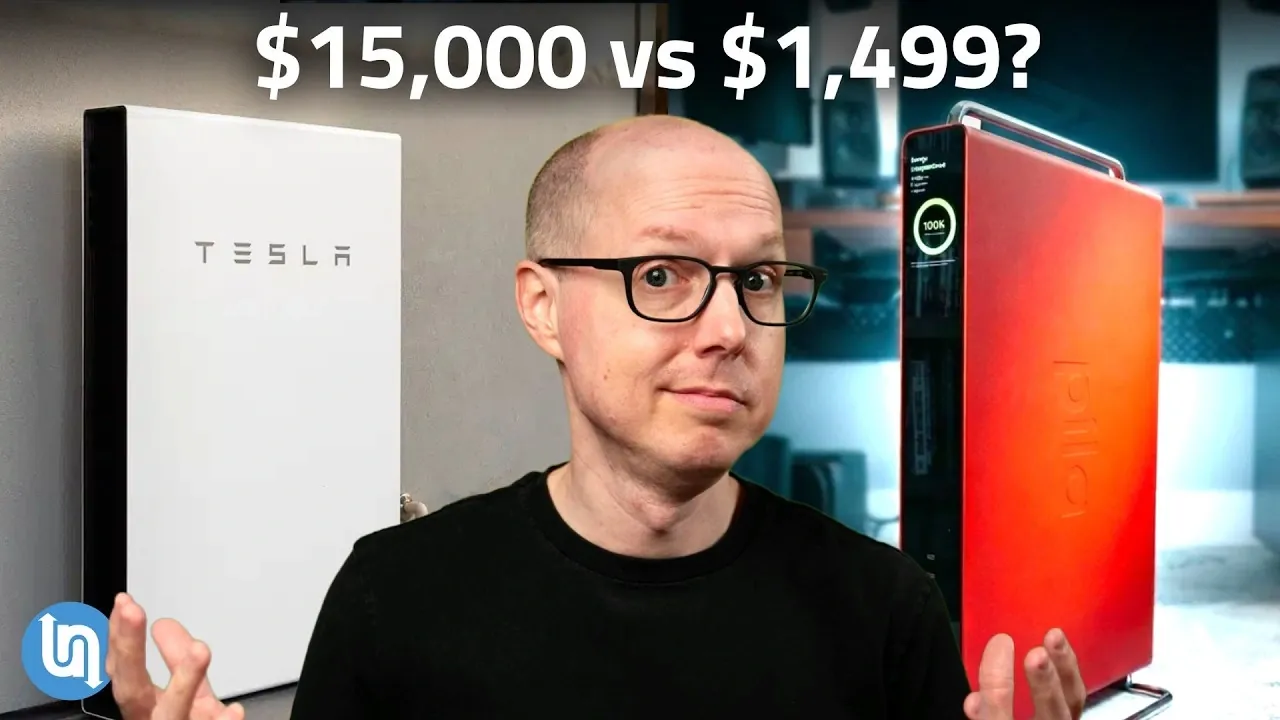
Traditional home batteries have long been seen as a cornerstone of energy independence, but their adoption is often hindered by steep costs, complex installations and limited accessibility for renters or those with space constraints. In a feature by Undecided with Matt Ferrell, the focus shifts away from the batteries themselves to the structural and logistical barriers that prevent wider use. One emerging solution is the rise of plug-in home batteries, such as those offered by Pila, which bypass many of these challenges. With modular designs, portability and straightforward plug-and-play setups, these systems aim to make energy storage more inclusive and adaptable, especially for users excluded by traditional options.
Explore how plug-in batteries address key gaps in the energy market, from their ability to scale storage capacity to their compatibility with solar systems and smart home devices. Gain insight into their practical limitations, such as restrictions on powering entire homes or feeding energy back into the grid and learn how upcoming regulatory changes could reshape their role in decentralized energy networks. This breakdown highlights the evolving potential of plug-in systems to meet diverse energy needs while bridging the gap between accessibility and functionality.
Why Traditional Home Batteries Face Challenges
TL;DR Key Takeaways :
- Plug-in home batteries offer a portable, modular and user-friendly alternative to traditional energy storage systems, addressing barriers like high costs, complex installation and limited accessibility for renters and apartment dwellers.
- Key features of plug-in batteries include plug-and-play design, scalability through modular units, portability and reliable operation independent of Wi-Fi, making them ideal for flexible energy needs.
- Pila batteries stand out with features like backup power, load shifting, solar energy optimization, smart home integration and touchscreen controls, offering versatile energy storage solutions for diverse users.
- Limitations of plug-in batteries include their inability to power entire homes or high-demand devices and restrictions on feeding power back into the grid, though they remain affordable and adaptable for many users.
- Future advancements, such as regulatory changes, community energy storage and virtual power plants, could enhance the capabilities and appeal of plug-in batteries, driving broader adoption in the energy storage market.
Traditional home battery systems, commonly used for solar energy storage or as whole-home backup solutions, encounter several significant obstacles that limit their appeal and practicality:
- High upfront costs: Traditional systems often come with price tags ranging from $10,000 to $15,000 or more, making them a substantial financial commitment for most households.
- Complex installation: These systems require professional electricians, permits and inspections, adding both time and expense to the process.
- Limited accessibility: Renters and apartment dwellers are frequently excluded due to the need for permanent installation and the significant space required for these systems.
- Lack of portability: Once installed, traditional batteries are fixed in place, making them impractical for individuals who move frequently or need flexible energy solutions.
These barriers highlight a gap in the market for a more versatile, affordable and user-friendly energy storage option.
How Plug-In Batteries Are Addressing These Issues
Plug-in home batteries are designed to overcome the limitations of traditional systems. Their simplicity, portability and modularity make them a practical and appealing choice for a wider range of users. Key features of these systems include:
- Plug-and-play design: These batteries connect directly to standard 120V outlets, eliminating the need for professional installation and reducing setup time.
- Modularity: Users can combine multiple units to scale their energy storage capacity, with some systems supporting up to 64 batteries in a single network.
- Portability: Unlike traditional systems, plug-in batteries can be easily moved, making them ideal for renters or individuals who relocate frequently.
- Local network coordination: These systems operate independently of Wi-Fi, making sure reliable performance even during power outages or connectivity issues.
By offering these features, plug-in batteries provide a flexible and user-friendly alternative to traditional energy storage solutions, making them particularly attractive to those who have been excluded from the market in the past.

Learn more about the latest energy technologies by reading our previous articles, guides and features :
- Solar Energy S 40,000 mAh retractable solar panel and power bank
- The Island is Shrinking: iPhone 18 Pro Max Leaks Confirm Apple’s Cleanest Display Ever
- The Best Camera Ever: Why the iPhone 18 Pro’s Variable Aperture is the Real Star of 2026
- Ultimate Apple Watch Accessory: EnergyLink Charging Watch Band
- Why NASA’s Mechanical Battery Could Be the Future of Energy Storage
- iPhone 18 Pro: What Apple Isn’t Telling You Yet
- Best Phone Battery Life 2025: OnePlus 15, vivo X300 Pro, & iPhone 17 Pro Max
- The Battery BATTLE ROYALE – iPhone, Pixel, Galaxy, Xiaomi – Who Wins the Drain Test
- Airnergy Havester Battery Charges From Thin Air
- iOS 27 Leaks Reveal the End of an Era: Apple’s New Priorities Confirmed
What Makes Pila Batteries Stand Out
Pila batteries exemplify the potential of plug-in systems, offering features tailored to meet modern energy needs. Each unit provides 1.6 kWh of storage, which can be expanded to 3.2 kWh with additional accessories. Their capabilities include:
- Backup power: Making sure essential devices remain operational during power outages.
- Load shifting: Reducing energy costs by storing power during off-peak hours and using it during peak demand times.
- Solar energy optimization: Storing excess solar power for later use, maximizing the efficiency of solar panel systems.
- Smart home integration: Enhancing energy efficiency through compatibility with smart home systems and devices.
- Touchscreen control: Allowing users to set up, monitor and manage the system directly, without relying on a mobile app or external device.
These features make Pila batteries a versatile and accessible option for users with diverse energy storage needs, bridging the gap between traditional systems and modern, adaptable solutions.
Limitations of Plug-In Batteries
While plug-in batteries offer numerous advantages, they are not without limitations. These systems are not designed to power entire homes or high-demand devices such as HVAC systems or electric vehicle chargers. Additionally, current U.S. electrical codes restrict their ability to feed power back into the grid or home outlets, limiting their functionality to devices plugged directly into the battery. Despite these constraints, their affordability and adaptability make them a valuable option for many users.
The Future of Plug-In Batteries
The future of plug-in home batteries is promising, with advancements on the horizon that could significantly enhance their capabilities and broaden their appeal. Key developments to watch include:
- Regulatory changes: The adoption of the UL 3700 safety standard could enable bidirectional power flow, allowing these batteries to feed energy back into the grid and function as part of virtual power plants.
- Community energy storage: Plug-in systems could be utilized in shared spaces, such as apartment buildings, to support decentralized energy networks and improve energy efficiency.
- Virtual power plants: As interest in community-driven energy solutions grows, plug-in batteries could play a pivotal role in creating flexible, localized energy networks.
These advancements could make plug-in batteries an even more valuable tool for energy storage and management, further bridging the gap between traditional systems and innovative technologies.
Who Benefits Most from Plug-In Batteries?
Plug-in home batteries are particularly well-suited for specific groups of users who face challenges with traditional systems. These include:
- Renters and apartment dwellers: Individuals who cannot install permanent systems due to space or ownership constraints.
- Homeowners with limitations: Those facing code restrictions or limited space for traditional installations.
- Users seeking flexibility: People who prioritize portability and scalability in their energy storage solutions.
These groups stand to gain the most from the affordability and adaptability of plug-in systems, making them an attractive option for a diverse range of energy storage needs.
Pricing and Market Trends
At $1,499 per unit, plug-in batteries like Pila are significantly more affordable than traditional systems. As competition in the market grows, innovations in safety, software and usability are expected to drive further improvements. These batteries represent a shift toward accessible and adaptable energy storage, addressing gaps in the current market while paving the way for broader adoption.
Media Credit: Undecided with Matt Ferrell
Disclosure: Some of our articles include affiliate links. If you buy something through one of these links, Geeky Gadgets may earn an affiliate commission. Learn about our Disclosure Policy.
