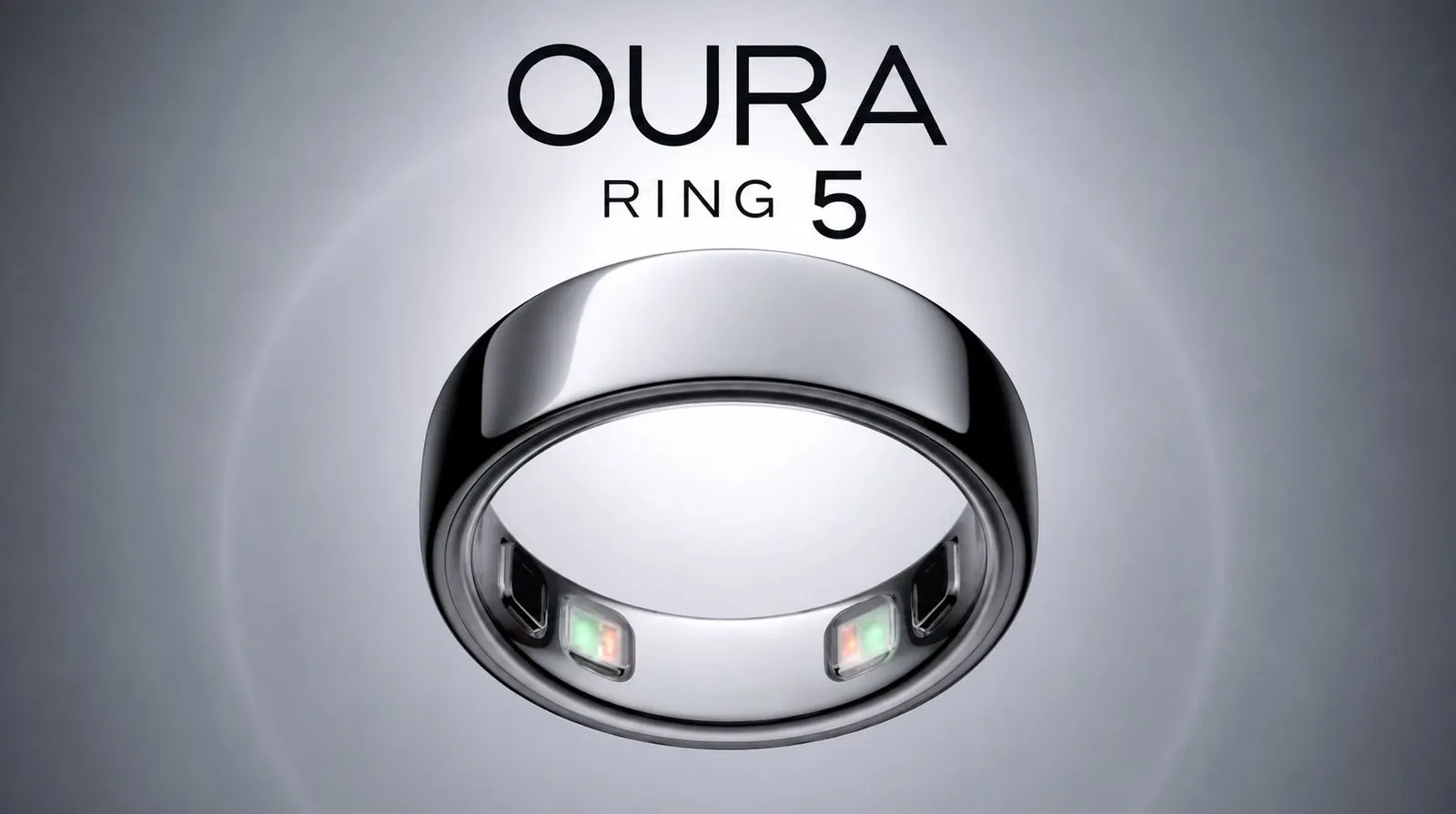
The Oura Ring 5 continues the brand’s commitment to discreet health tracking, offering a compact design that is now 40% smaller than its predecessor. DC Rainmaker examines whether this sleeker profile and its focus on wellness metrics, such as sleep tracking and stress management, justify its premium price. While the device features an improved battery life of up to nine days, it lacks features like vibration alerts and advanced sports tracking, which may limit its appeal for certain users. These trade-offs highlight the balance between simplicity and functionality that the Oura Ring 5 aims to strike.
In this analysis, you’ll gain insight into how the Oura Ring 5 performs across key areas, from its stress management capabilities to its VO2 max estimates. Explore whether its minimalist design aligns with your lifestyle, how its app experience compares to competitors and what limitations exist for fitness tracking. By the end, you’ll have a clear understanding of whether this wearable meets your needs or falls short in critical areas.
Design and Fit
TL;DR Key Takeaways :
- The Oura Ring 5 is 40% smaller than its predecessor, offering a sleek, compact design but lacks vibration or sound alerts, relying solely on its companion app for notifications.
- Battery life has significantly improved, lasting 6 to 9 days on a single charge, though long-term battery durability remains uncertain.
- It excels in sleep tracking and general wellness metrics like stress management and readiness scores but struggles with accuracy during rapid activity changes.
- Sports and activity tracking are limited, with no live heart rate monitoring, inaccurate VO2 max estimates and poor integration with fitness platforms like Strava.
- Priced at $399 with a required subscription, it offers solid health tracking but lacks unique features to justify its premium cost, making it ideal for general wellness rather than fitness enthusiasts.
The Oura Ring 5 is 40% smaller than its predecessor, making it more compact and less obtrusive. Despite its reduced size, it retains a thicker profile compared to standard rings, which may feel bulky for some users. The device is available in sizes ranging from 6 to 13 and a sizing kit is required to ensure a proper fit. This step is crucial, as an ill-fitting ring can compromise the accuracy of its sensors.
Unlike wrist-based wearables, the Oura Ring 5 does not feature vibration or sound alerts, relying entirely on its companion app for notifications and insights. This minimalist approach may appeal to users who prefer simplicity, but it could feel restrictive for those accustomed to more interactive devices. The design is sleek and modern, but the lack of customization options, such as interchangeable finishes or textures, limits personalization.
Battery Life: A Step Forward
One of the most notable improvements in the Oura Ring 5 is its battery life, which now lasts between 6 to 9 days on a single charge. Real-world usage typically averages around 7 days, a significant upgrade from earlier models. This extended battery life reduces the need for frequent charging, making it more convenient for users with busy schedules.
However, concerns about battery durability persist. Previous models experienced issues with long-term battery performance and while the replacement process for faulty batteries is efficient, it remains uncertain whether the Oura Ring 5 has fully resolved these challenges. For now, the improved lifespan is a welcome enhancement, but its reliability over time will be a key factor for potential buyers.
Health and Wellness Tracking
The Oura Ring 5 excels in tracking core health metrics, including sleep quality, readiness scores, activity levels, heart rate, and stress management. Its sleep tracking capabilities are particularly strong, offering detailed insights into sleep stages, sleep debt and overall recovery. The device provides accurate data on sleep and wake times, making it a valuable tool for users focused on improving their rest.
Stress management features include guided meditation suggestions and stress level assessments. However, the device occasionally misinterprets physical exertion as stress, which can lead to skewed results. For example, intense workouts or rapid movements may trigger stress alerts, reducing the accuracy of this feature.
While the Oura Ring 5 delivers reliable data for general wellness, its performance is comparable to other wearables in the market. It does not introduce new advancements in health tracking and users seeking unique or advanced features may find it lacking.

Find more information on Oura Ring 5 by browsing our extensive range of articles, guides and tutorials.
- Oura Ring 5 vs Oura Ring 4: What You Actually Get for the Upgrade
- Why the Oura Ring 5 Costs $50 More Than Its Predecessor
- Oura Ring 5 vs RingConn Gen 3: Which Smart Ring Actually Deserves Your Money?
- Why the $400 Oura Ring 5 is Designed to Die
- Oura Ring 5 : Much More Than Just a Smart Ring
Sports and Activity Tracking: A Weak Spot
The Oura Ring 5 struggles to meet the needs of fitness enthusiasts. It lacks live heart rate monitoring and fails to provide detailed metrics during workouts, limiting its usefulness for tracking sports performance. While it can integrate with external heart rate sensors, this adds complexity and detracts from its otherwise seamless user experience.
The device also offers VO2 max estimates, but these are often inaccurate, reducing their reliability for serious athletes. Additionally, integration with popular fitness platforms like Strava is limited, as the Oura Ring does not export heart rate data. These shortcomings make it less appealing for users who prioritize detailed activity tracking and seamless platform compatibility.
App Experience: Simple but Limited
The Oura companion app is designed to be intuitive and user-friendly, allowing users to customize which metrics are displayed. The interface is clean and straightforward, making it easy to navigate. However, the app’s data presentation can feel repetitive and it lacks the depth and advanced analytics offered by competitors.
Another drawback is the presence of promotional content within the app, which can detract from the overall user experience. For users seeking comprehensive insights and advanced features, the app may feel underwhelming. While it serves as a functional tool for basic health tracking, it does not stand out in terms of innovation or depth.
Accuracy: Reliable but Inconsistent
The Oura Ring 5 delivers reliable heart rate accuracy during steady-state activities such as walking or resting. However, it struggles with rapid changes in activity, such as descending stairs or engaging in high-intensity workouts. This inconsistency can affect the reliability of certain metrics, particularly for active users who require precise data.
For general wellness tracking, the accuracy is sufficient, but users who demand high precision for fitness or sports purposes may find the device lacking. The Oura Ring 5 is best suited for individuals focused on overall health rather than performance optimization.
Cost and Value
Priced at $399 for the base model, the Oura Ring 5 is more expensive than many competitors, including Fitbit and Whoop. Additionally, a subscription is required to unlock full access to its features, further increasing the overall cost. While the device offers a sleek design and solid health tracking capabilities, it lacks unique features that justify its premium price.
For users already invested in advanced wearables like the Apple Watch or Garmin, the Oura Ring 5 may not provide enough added value to warrant the expense. Its appeal lies in its discreet design and focus on general wellness, but it struggles to compete with wrist-based wearables in terms of functionality and versatility.
Who Should Consider the Oura Ring 5?
The Oura Ring 5 is ideal for individuals who prioritize discreet, non-wrist-based health tracking and are primarily focused on general wellness metrics. It is particularly well-suited for users interested in sleep tracking, stress management, and recovery insights. Its minimalist design and extended battery life make it a convenient option for those seeking a low-maintenance device.
However, it is not recommended for fitness enthusiasts or users who require detailed activity tracking and seamless integration with external platforms. For those already using advanced wearables or seeking a more affordable option, alternatives may offer better value and performance.
Media Credit: DC Rainmaker
Disclosure: Some of our articles include affiliate links. If you buy something through one of these links, Geeky Gadgets may earn an affiliate commission. Learn about our Disclosure Policy.
