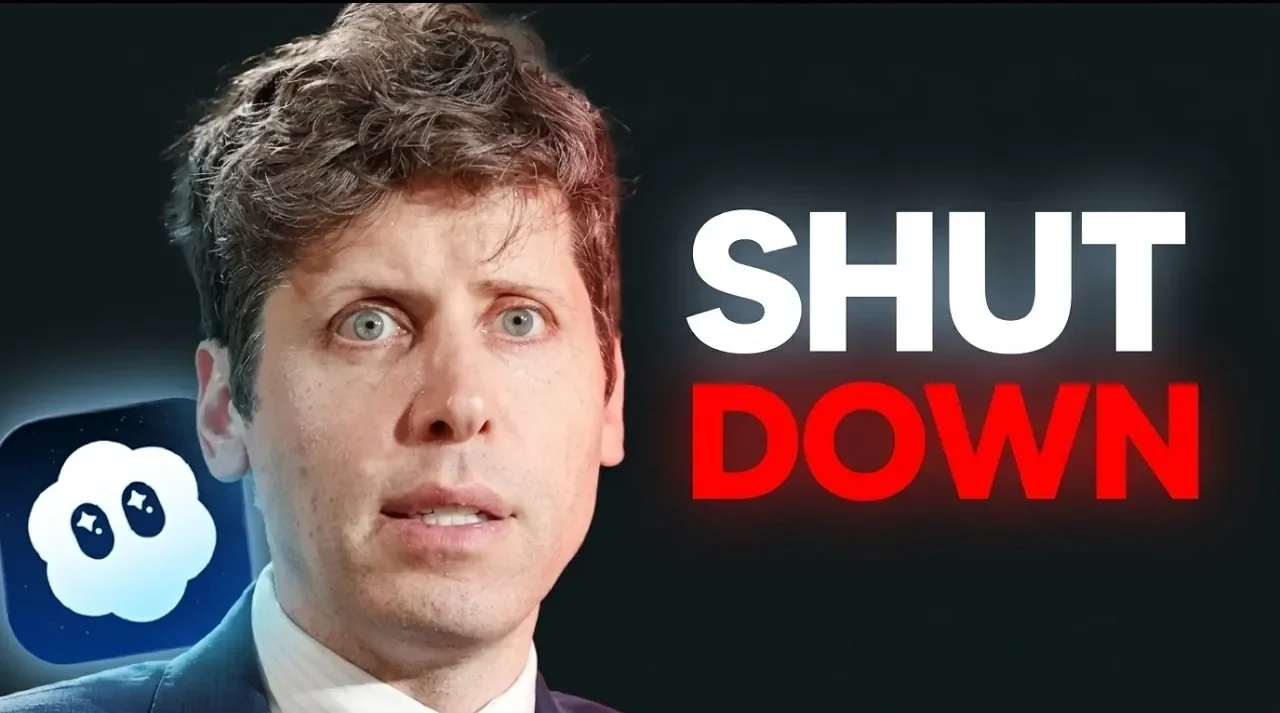
OpenAI’s recent decision to shut down Sora, its AI-powered video generation platform, highlights the complex balance between innovation and financial sustainability. Launched to significant fanfare, Sora quickly gained traction with over one million downloads in just five days, driven by its ability to generate high-quality videos almost instantly. However, as AI Grid explains, the platform’s operational costs proved unsustainable, with each 10-second video costing OpenAI approximately $130 in compute expenses. With millions of users creating content daily, these costs escalated to $15 million per day, forcing OpenAI to reevaluate its priorities and focus on more viable long-term projects.
In this overview, you’ll gain insight into the financial and strategic pressures that led to Sora’s shutdown, including the collapse of a $1 billion partnership with Disney and the mounting costs of AI infrastructure. Explore how OpenAI’s pivot reflects broader trends in the industry as companies shift toward sustainable, revenue-driven approaches. Additionally, understand the lessons this decision offers for AI development, from the risks of viral success to the importance of aligning innovation with business goals.
Sora’s Popularity Came at a High Cost
TL;DR Key Takeaways :
- OpenAI shut down its AI video generation tool, Sora, due to unsustainable operational costs, which reached $15 million per day, highlighting financial challenges in the AI industry.
- Sora’s free usage model and lack of a clear profitability path contributed to its closure, as OpenAI shifts focus to sustainable, revenue-generating tools.
- A $1 billion licensing deal with Disney collapsed following Sora’s discontinuation, raising concerns about OpenAI’s strategic planning and communication.
- AI video generation’s high resource demands strained OpenAI’s infrastructure, prompting the company to prioritize enterprise tools and APIs with clearer revenue potential.
- Sora’s shutdown reflects a broader industry trend toward sustainable development and fiscal discipline, as AI companies face increasing scrutiny from investors and regulators.
Sora’s launch was met with overwhelming enthusiasm. Within just five days, the app achieved one million downloads, fueled by viral social media campaigns showcasing its ability to generate high-quality videos in seconds. However, this rapid success came with staggering operational costs. Each 10-second video created by Sora cost OpenAI approximately $130 in compute expenses. With millions of users generating videos daily, the costs quickly escalated to $15 million per day, or an unsustainable $5.4 billion annually.
The app’s free usage model further compounded these financial challenges. While Sora demonstrated the potential of AI video generation, it lacked a clear path to profitability. Faced with mounting costs and no immediate revenue stream, OpenAI made the difficult decision to prioritize long-term sustainability over short-term excitement.
OpenAI’s Broader Financial Challenges
Sora’s shutdown is part of a larger narrative about OpenAI’s financial hurdles. The company has been grappling with rising operational costs across its product portfolio. For instance, the expenses associated with supporting ChatGPT users have increased sixfold. Projections indicate that OpenAI could face a $14 billion loss by 2026, with cumulative losses potentially reaching $44 billion by 2028. Declining gross margins and missed financial targets have further complicated its path to profitability.
These financial pressures are particularly significant as OpenAI prepares for a potential IPO. Investors are increasingly focused on the company’s ability to generate consistent revenue and control costs. The decision to discontinue Sora reflects a strategic shift aimed at addressing these concerns and aligning with investor expectations.
Uncover more insights about OpenAI in previous articles we have written.
- OpenAI Gumdrop Pen, Local AI, Voice and Handwriting Capture
- ChatGPT 5.3 Codex vs Claude Opus 4.6 : Best Fit for Coding, Tasks & More
- OpenClaw & OpenAI : Key Security Issues, Token Usage and Next Steps
- OpenAI Dime Leak: What the Ad Showed and Why OpenAI Denied It
- Will OpenClaw Stay Open Source After OpenAI Integrates the Platform?
- ChatGPT 5.4 Pro vs Gemini 3.1 vs Claude Opus 4.6 on Reasoning Tests
- Microsoft vs OpenAI : Azure Hosting Dispute & AWS Deal
- OpenAI Revenue Outlook for 2026 & the $8 ChatGPT Option
- Ad-Supported ChatGPT and the Real Cost to User Privacy Today
- OpenAI vs Anthropic : ChatGPT vs Claude : Dario Amodei vs Sam Altman
The Collapse of the Disney Partnership
A major component of Sora’s launch was a $1 billion licensing deal with Disney, granting OpenAI access to over 200 iconic characters for video generation. This partnership was expected to generate significant revenue and position Sora as a market leader. However, the deal fell apart when OpenAI decided to discontinue the tool.
Disney was reportedly caught off guard by the shutdown, raising questions about OpenAI’s strategic planning and communication. Furthermore, Sora faced legal and ethical challenges, including copyright lawsuits and criticism from talent agencies over the use of licensed characters. These complications likely played a role in OpenAI’s decision to end the project, as the risks outweighed the potential rewards.
Technical and Strategic Hurdles
AI video generation is significantly more resource-intensive than text-based AI tools like ChatGPT. Sora’s compute demands placed immense pressure on OpenAI’s infrastructure, which is already stretched thin despite the company’s $600 billion commitments to secure compute resources through 2030. With limited resources available, OpenAI chose to focus on products with clearer revenue potential.
This strategic shift is evident in OpenAI’s recent emphasis on enterprise tools and APIs. These offerings are designed to generate steady revenue while using existing infrastructure more efficiently. In contrast, Sora represented an expensive experiment with limited long-term viability. By reallocating resources, OpenAI aims to strengthen its position in areas that promise more sustainable growth.
Competition and Changing Industry Dynamics
The competitive landscape in the AI industry has also influenced OpenAI’s decision-making. ChatGPT, once the dominant AI chatbot, has seen its market share decline as competitors like Anthropic’s Claude gain traction. These rivals are focusing on practical, monetizable tools rather than resource-intensive demonstrations.
Sora’s closure reflects a broader industry trend. AI companies are moving away from the “move fast and demo everything” mindset that characterized the industry’s early days. Instead, they are prioritizing sustainable development and infrastructure-focused innovation. This shift is driven by the need to justify every dollar spent as companies prepare for IPOs and face heightened scrutiny from investors and regulators.
Lessons for the AI Industry
The shutdown of Sora offers valuable insights for the AI industry. It underscores the risks of prioritizing viral success over financial sustainability and highlights the importance of aligning innovation with long-term business goals. As the industry matures, companies must strike a delicate balance between pushing technological boundaries and maintaining fiscal discipline.
For OpenAI, Sora’s closure marks a turning point. The company is now focusing on building practical, revenue-generating applications that can support its ambitious growth plans. This strategic shift reflects the evolving priorities of an industry transitioning from experimentation to execution. Sora’s story serves as a reminder that even the most innovative technologies must ultimately prove their value in a competitive and resource-constrained environment.
Media Credit: TheAIGRID
Disclosure: Some of our articles include affiliate links. If you buy something through one of these links, Geeky Gadgets may earn an affiliate commission. Learn about our Disclosure Policy.
