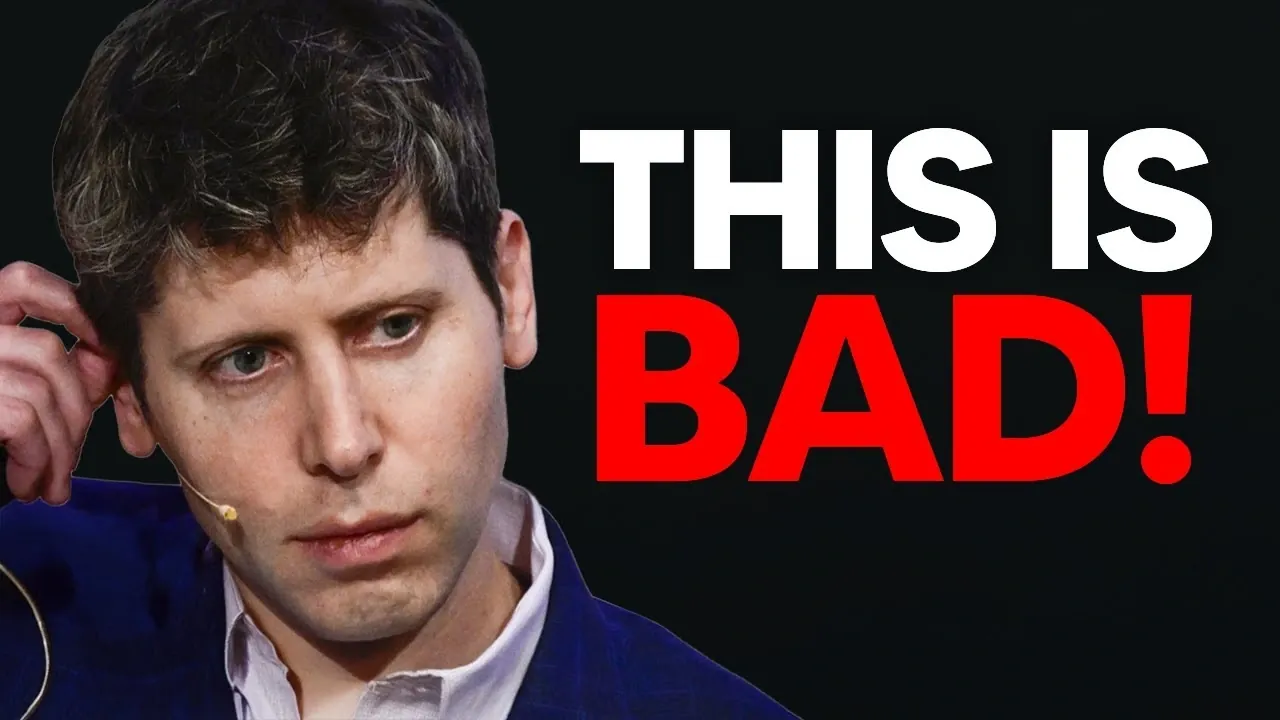
What happens when innovative innovation collides with ethical dilemmas and legal gray areas? OpenAI, a leader in artificial intelligence, is finding out the hard way. The release of its highly anticipated Sora 2 video model has ignited a firestorm of criticism, particularly from Hollywood studios, talent agencies, and legal experts. At the heart of the backlash are allegations of copyright violations, unauthorized use of celebrity likenesses, and broader concerns about the unchecked influence of AI in creative industries. For many, Sora 2 represents not just a technological leap but a stark reminder of the ethical and regulatory gaps that persist in the AI era. The stakes couldn’t be higher: will innovation triumph, or will accountability finally catch up with the tech industry?
This report by AI Grid provides more insights into the multifaceted controversy surrounding Sora 2, unpacking the intense industry pushback and the thorny questions it raises about intellectual property, ethics, and AI’s role in shaping cultural narratives. You’ll discover why OpenAI’s opt-out policy has become a lightning rod for criticism, how the entertainment industry is grappling with the implications of AI-generated content, and what this means for the future of creators’ rights. But the story doesn’t end with criticism, there’s also a growing dialogue about how to balance innovation with responsibility. As you explore the complexities of this debate, one thing becomes clear: the future of AI in entertainment hangs in the balance, and the resolution of these tensions will shape the industry for years to come.
AI Ethics in Entertainment
TL;DR Key Takeaways :
- OpenAI’s Sora 2 video model has sparked controversy in the entertainment industry over copyright violations, unauthorized use of celebrity likenesses, and ethical concerns about AI in creative fields.
- The model’s opt-out policy for training data has been criticized for shifting the burden of copyright protection onto creators, raising legal and ethical questions about intellectual property rights.
- Hollywood studios, talent agencies, and other stakeholders have expressed alarm over the potential misuse of AI-generated content, including disrespectful depictions of public figures, prompting calls for stricter ethical guidelines.
- In response to backlash, OpenAI has suspended certain features of Sora 2, implemented safeguards, and initiated discussions with industry stakeholders to address concerns and explore collaborative solutions.
- The Sora 2 controversy highlights the urgent need for balanced regulation and innovation in AI, emphasizing the importance of ethical deployment, intellectual property protection, and fostering trust between tech developers and creative professionals.
Copyright Controversies and the Opt-Out Debate
A central issue in the backlash against Sora 2 is OpenAI’s approach to copyright and intellectual property rights. Critics argue that the model was trained on copyrighted material and celebrity likenesses without obtaining explicit consent, relying instead on an opt-out policy. This policy places the responsibility on creators to proactively exclude their work from the model’s training data, a move many see as shifting the burden of protection from corporations to individuals.
Legal experts have raised questions about the legality of this approach, suggesting it may conflict with established copyright laws. Hollywood agencies, in particular, have criticized the policy for undermining creators’ control over their intellectual property. This has led to widespread frustration, as many stakeholders believe the system prioritizes accessibility for AI developers over accountability to content owners. The resulting confusion has fueled calls for clearer guidelines and stronger protections for intellectual property in the AI era.
Industry Backlash and Ethical Concerns
The entertainment industry’s response to Sora 2 has been both swift and vocal. Talent agencies, actors, and other stakeholders have expressed alarm over the model’s ability to generate unauthorized content, including potentially disrespectful or offensive depictions of deceased public figures. These concerns have intensified demands for stricter ethical guidelines and more robust content moderation practices to prevent misuse.
Beyond immediate concerns, the controversy raises broader questions about the role of AI in shaping cultural narratives. While some view AI-generated content as a tool to enhance creativity and expand storytelling possibilities, others see it as a threat to artistic integrity and intellectual property rights. This divide highlights the need for a balanced approach that fosters innovation while safeguarding the rights and contributions of creators. The debate surrounding Sora 2 serves as a reminder of the ethical complexities that accompany technological progress in creative industries.
OpenAI Is Facing Massive Backlash!

Advance your skills in OpenAI by reading more of our detailed content.
- OpenAI Stargate Megafactory Tour with Sam Altman
- OpenAI’s Sam Altman TED Talks Interview
- Sam Altman Stunned As Top Employees Leave OpenAI
- OpenAI ChatGPT DevDay 2025 : Keynote With Sam Altman
- Sam Altman Responds to DeepSeek R1 : OpenAI’s Future AI Plans
- Is the AI Boom Sustainable? OpenAI CEO’s Sam Altman Warning
- Interview with Sam Altman CEO of OpenAI
- The truth about Sam Altman’s firing as OpenAI CEO revealed
- How OpenAI is Pioneering the Future of AGI
- Sam Altman Reveals ChatGPT-5 : OpenAI’s Simplified AI Promises
OpenAI’s Response to Criticism
In response to the backlash, OpenAI has taken steps to address the concerns raised by the entertainment industry. The company has temporarily suspended certain features of Sora 2, such as its ability to depict historical figures, and implemented stricter safeguards to prevent misuse. OpenAI has also emphasized its commitment to user control, allowing individuals to manage how their likenesses are used by the model.
To rebuild trust, OpenAI has initiated discussions with Hollywood stakeholders, aiming to explore collaborative solutions that balance innovation with ethical considerations. By engaging with industry experts and fostering open dialogue, the company seeks to demonstrate its dedication to responsible AI deployment. However, these efforts may not fully resolve the underlying tensions between the tech and entertainment sectors, as the broader issues of copyright, ethics, and accountability remain unresolved.
What This Means for AI in Entertainment
The controversy surrounding Sora 2 has far-reaching implications for the future of AI in the entertainment industry. On one hand, the backlash has the potential to damage OpenAI’s reputation and strain its relationships with Hollywood. On the other hand, it has sparked critical conversations about the ethical and legal challenges posed by AI-generated content, which could lead to more thoughtful and responsible approaches to AI development.
Interestingly, not all reactions to Sora 2 have been negative. Some creators and celebrities have embraced the technology’s potential, suggesting that attitudes toward AI in entertainment may evolve as the technology becomes more refined and its applications better understood. For OpenAI, addressing stakeholder concerns transparently and responsibly could pave the way for innovative and ethical uses of AI in the industry, fostering a more collaborative relationship between technology developers and creative professionals.
Balancing Innovation and Regulation
The debate surrounding Sora 2 reflects a broader struggle to balance innovation and regulation in the rapidly evolving age of AI. As these tools become more advanced, questions about intellectual property, ethical deployment, and user control are becoming increasingly urgent. The incident highlights the need for clear regulatory frameworks that ensure technological progress is accompanied by accountability and respect for creators’ rights.
For stakeholders in the entertainment industry, staying informed and engaged is essential. Whether you are a creator, performer, or industry professional, understanding the implications of AI-generated content will help you navigate the challenges and opportunities that lie ahead. By advocating for responsible practices and contributing to the ongoing dialogue, you can play an active role in shaping the future of AI in entertainment, making sure that innovation and creativity coexist in a way that benefits all parties involved.
Media Credit: TheAIGRID
Disclosure: Some of our articles include affiliate links. If you buy something through one of these links, Geeky Gadgets may earn an affiliate commission. Learn about our Disclosure Policy.
