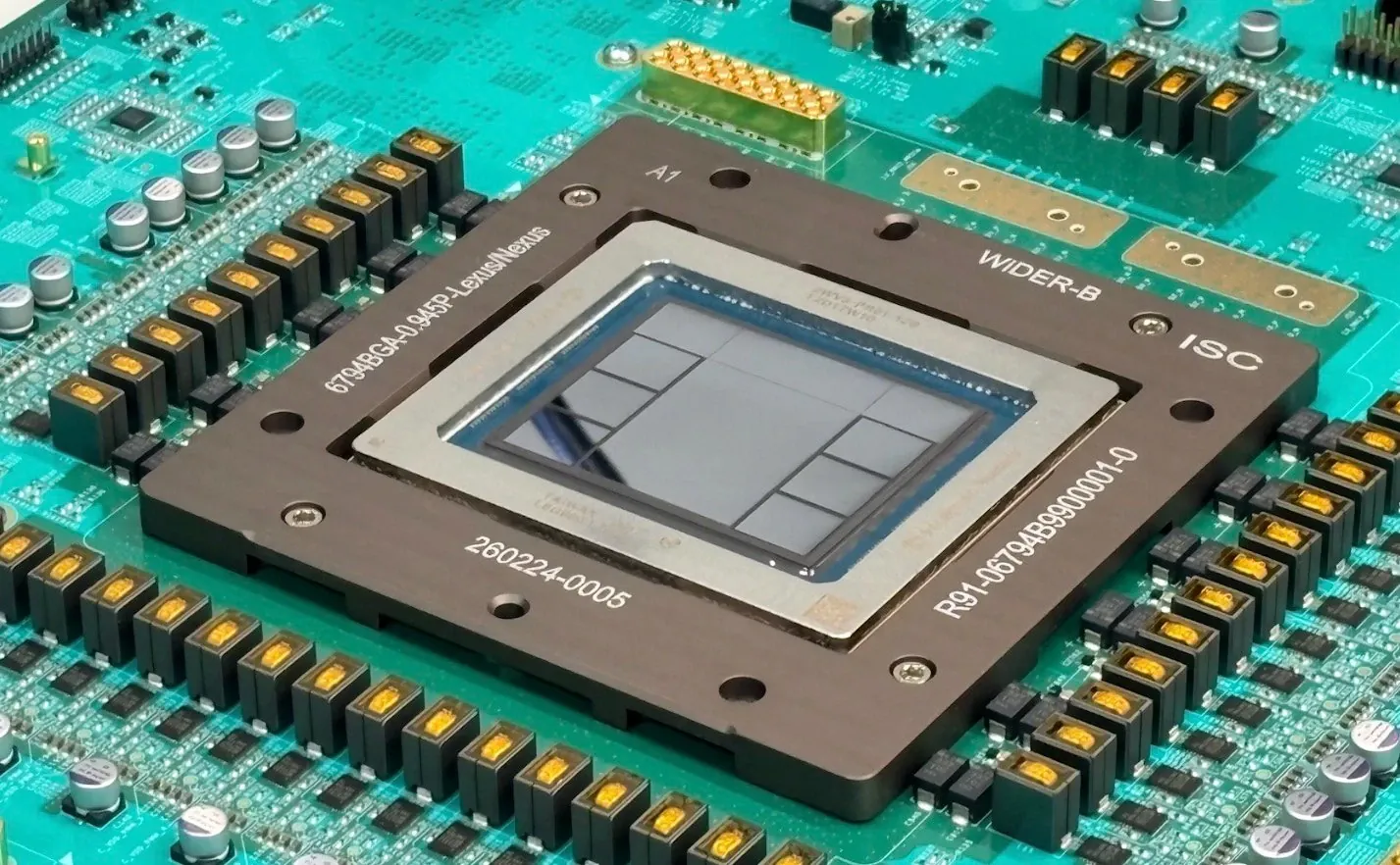
OpenAI’s new Jalapeño chip, developed in partnership with Broadcom, marks the company’s first foray into custom hardware for AI inference tasks. This Application-Specific Integrated Circuit (ASIC) is engineered to deliver exceptional performance, boasting nearly nine times the throughput of competing hardware in specific benchmarks. Caleb Writes Code explores how this chip’s energy efficiency, processing 1,500 tokens per second on GPT OSS 12B at double the efficiency of its closest competitor, could reshape the landscape of AI hardware by addressing the growing demands of large-scale AI deployments.
Dive into this breakdown to understand how the Jalapeño chip achieves its balance of scalability, energy savings and computational power. You’ll gain insight into the rapid 13-month development process, the architectural choices that prioritize AI-specific workloads and the potential challenges it faces in real-world adoption. Whether you’re interested in its competitive positioning against Nvidia’s Blackwell chips or its implications for enterprise-level AI systems, this overview provides a clear, detailed look at what sets Jalapeño apart.
Key Highlights of the Jalapeño Chip
TL;DR Key Takeaways :
- OpenAI introduced its first custom inference chip, the Jalapeño, developed in collaboration with Broadcom, focusing on high throughput, energy efficiency and scalability for AI inference tasks.
- The Jalapeño chip delivers nearly nine times the throughput of competitors and processes 1,500 tokens per second on GPT OSS 12B, achieving double the energy efficiency of its nearest rival.
- Designed for scalability, the chip supports both small-scale applications and large enterprise-level AI systems, making it versatile for diverse use cases.
- OpenAI completed the chip’s development in just 13 months, using Broadcom’s manufacturing expertise to ensure reliability and performance.
- While early benchmarks are promising, the chip’s real-world performance, market adoption and software compatibility will be key factors in its long-term success against competitors like Nvidia.
The Jalapeño chip is designed to address the growing demands of AI workloads, emphasizing efficiency and performance. Several features distinguish it from its competitors:
- Performance: The chip delivers nearly nine times the throughput of competing hardware in specific benchmarks, showcasing its ability to handle intensive AI tasks with remarkable speed.
- Energy Efficiency: It processes 1,500 tokens per second on GPT OSS 12B, achieving double the efficiency of its nearest competitor, which could significantly reduce operational costs for large-scale AI deployments.
- Scalability: The architecture is optimized to support seamless scaling, making it suitable for both small-scale applications and expansive, enterprise-level AI systems.
Development and Design Process
The Jalapeño chip’s development timeline is a testament to OpenAI’s engineering expertise and strategic partnerships. Collaborating with Broadcom, OpenAI managed to design, test and produce the chip in just 13 months. This rapid development cycle reflects a focused approach to addressing the specific needs of AI inference tasks. The chip’s architecture prioritizes specialized processing capabilities, making sure it can handle the unique computational demands of AI models like GPT efficiently.
By using Broadcom’s manufacturing expertise, OpenAI ensured that the Jalapeño chip meets industry standards for reliability and performance. The collaboration also highlights the growing trend of AI companies investing in custom hardware solutions to optimize their software ecosystems.

Here is a selection of other guides from our extensive library of content you may find of interest on OpenAI.
- What OpenAI’s Custom Jalapeño Chip Means for the Future of AI
- Meet the Codex Micro: OpenAI’s Physical Keyboard for Coders $230
- OpenAI Introduces GPT-5.7 Astra and Ambitious ChatGPT 6 Doug
- OpenAI Astra ChatGPT 6 Reportedly Uses Multi-Agent Task Delegation
- OpenAI Plans to Release Astra AGI System by the End Of 2026
- ChatGPT 6 Astra Reportedly Generates 3D Games from a Single Prompt
- OpenAI ChatGPT 6 Astra Reportedly Packs 10 Trillion Parameters
- OpenAI Astra Solves 10 Unresolved Quantum Complexity Problems
- OpenAI’s GPT-5.6 Release is Triggering an AI Price War
- OpenAI Anticipates Public ChatGPT 6 Release Between Sept 3 to 10
Potential Impact and Future Considerations
The Jalapeño chip represents a significant step forward in the evolution of AI hardware. Its combination of high performance, energy efficiency, and scalability positions it as a strong contender in the competitive AI chip market. However, several factors will determine its long-term success:
- Real-World Performance: While early benchmarks are promising, the chip’s ability to deliver consistent results across diverse AI applications remains to be seen.
- Market Adoption: Competing against established players like Nvidia will require OpenAI to demonstrate clear advantages in cost, performance and integration capabilities.
- Software Compatibility: Making sure seamless integration with existing AI frameworks and tools will be critical for widespread adoption.
As the demand for AI-driven solutions continues to grow, the Jalapeño chip could play a pivotal role in shaping the future of AI hardware. Its development underscores the importance of innovation and collaboration in addressing the challenges of modern AI workloads.
Media Credit: Caleb Writes Code
Disclosure: Some of our articles include affiliate links. If you buy something through one of these links, Geeky Gadgets may earn an affiliate commission. Learn about our Disclosure Policy.
