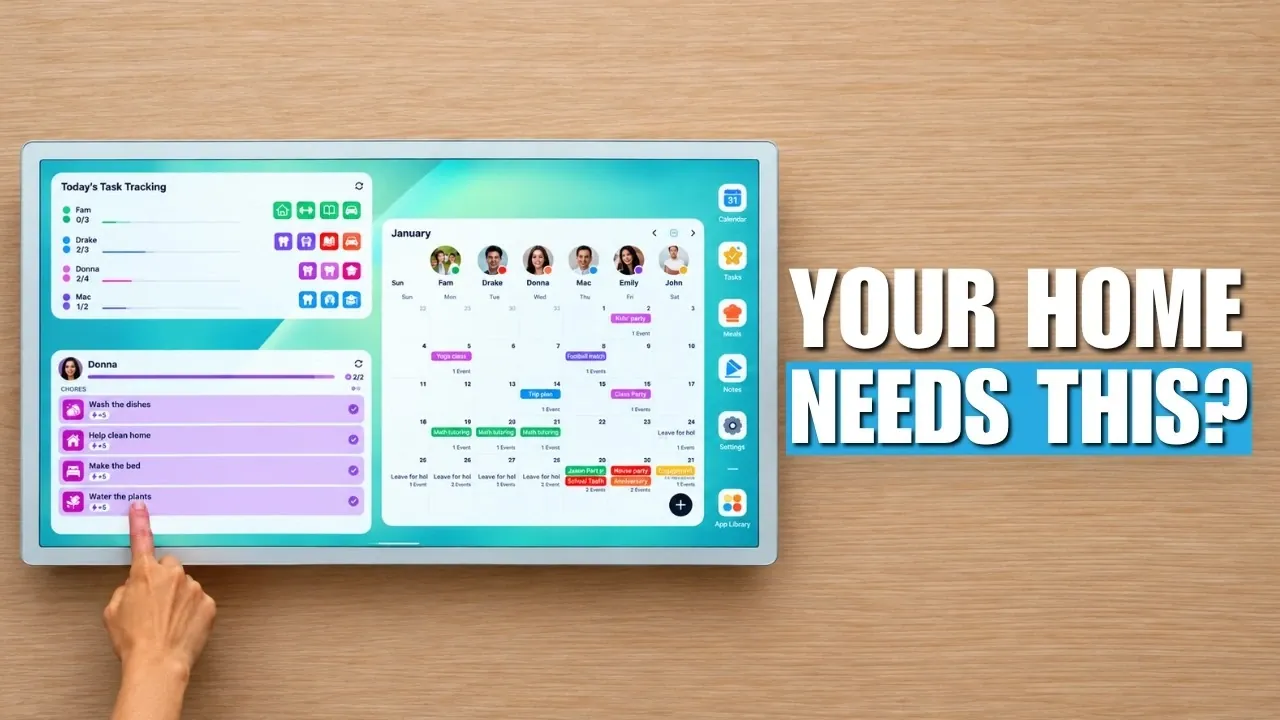
Smart calendars provide a structured way to manage household schedules by integrating multiple features into a single, shared platform. According to Smart Home 101, these systems can consolidate individual calendars into a unified view, making it easier to coordinate overlapping commitments. For example, syncing with services like Google Calendar or Apple Calendar allows users to identify potential conflicts, such as a work meeting overlapping with a family event and adjust plans accordingly. This functionality supports smoother daily routines and reduces scheduling missteps.
Discover how smart calendars can enhance your home with features like automated reminders for recurring tasks and shared chore assignments. Learn how they can assist with meal planning by generating grocery lists, tracking pantry items and suggesting recipes to reduce waste. Gain insight into how shared displays and mobile app updates keep everyone informed and adaptable, whether at home or on the go.
A Unified View for the Entire Household
TL;DR Key Takeaways :
- Smart calendars centralize household schedules by syncing with platforms like Google Calendar, offering a shared, color-coded view to avoid conflicts and improve coordination.
- They streamline task and chore management with features like recurring reminders and gamified systems, fostering accountability and teamwork within families.
- Meal planning is simplified with built-in recipe libraries, automatic grocery list generation and pantry inventory tracking to reduce food waste and save time.
- Shared displays provide a customizable dashboard for real-time updates on schedules, tasks and more, making sure all household members stay informed and connected.
- Advanced features include remote accessibility via companion apps and integration with smart home devices, enhancing convenience and modernizing household management.
Centralized Scheduling
One of the standout features of a smart calendar is its ability to centralize scheduling, creating a single source of truth for the entire household. By syncing with popular platforms like Google Calendar, Apple Calendar and Outlook, it consolidates individual schedules into one shared view. Each family member can have a color-coded profile, making it easy to distinguish between users and their commitments.
This centralized approach allows you to quickly identify overlapping commitments or potential conflicts. For example, if your child’s piano lesson coincides with a critical work deadline, the calendar highlights the clash, allowing you to adjust plans proactively. This feature is particularly valuable for families juggling multiple activities, appointments and responsibilities, making sure that everyone stays on the same page.
Streamlined Task and Chore Management
A smart calendar extends beyond scheduling by offering tools to simplify task and chore management. You can assign specific tasks to family members, set reminders and track recurring responsibilities. For example, weekly chores like taking out the trash or cleaning the bathroom can be automated with recurring alerts, making sure nothing is overlooked.
To make household responsibilities more engaging, many smart calendars incorporate gamified features, such as a points-based reward system. This approach motivates younger family members to complete their tasks while fostering accountability and teamwork within the household. By turning chores into a collaborative effort, a smart calendar helps create a more organized and harmonious living environment.

Below are more guides on smart home from our extensive range of articles.
- IKEA Fixes BILRESA Battery Life with Quiet Hardware Revisions
- Apple’s Leaked Home Hub Looks Ready to Rival the Echo Show
- Apple Event Confirmed for October 13: New Smart Display, Apple TV 4K, and More
- Inside Apple’s Massive, Secretive Smart Home Takeover
- Apple’s Smart Home Revolution Is Finally Here: Here’s What’s Changing
- Inside Apple’s Upcoming HomePad Launch: Everything Leaked So Far
- Home Hub, New Apple TV, and More: Fresh Leaks Detail Apple’s October 13 Event
- Apple’s “Welcome Home” Event: Everything Apple is Announcing Today
- Apple Quietly Preps a New Screen for the Center of Your Home
- Why Apple’s October Push Into Smart Home Tech Changes Everything
Effortless Meal Planning and Grocery Management
Meal planning is another area where a smart calendar excels. Many systems include built-in meal planners, recipe libraries and the ability to import recipes directly from the web. Once you’ve planned your meals, the calendar can automatically generate a grocery list based on the selected recipes, saving you time and effort.
Advanced features, such as tracking pantry inventory and monitoring expiration dates, further enhance the functionality. For instance, if an ingredient is nearing its expiration date, the system can prioritize its use in upcoming meals, helping you minimize food waste. This level of integration ensures that meal preparation becomes a seamless part of your daily routine, reducing stress and improving efficiency.
Shared Displays: Keeping Everyone Informed
A shared display is a core feature of most smart calendars, designed to keep all household members informed and connected. Typically placed in a central location, such as the kitchen or living room, the display provides a customizable dashboard that can include calendars, task lists, weather updates and grocery lists. This ensures that everyone has access to the same information at a glance.
The shared display fosters better communication and collaboration within the household. For example, if someone updates their schedule or completes a task, the changes are instantly reflected on the display, keeping everyone informed in real time. This feature is particularly useful for busy families, as it eliminates the need for constant verbal updates and ensures that everyone is aligned.
Additional Features for Modern Living
Many smart calendars come equipped with companion apps, allowing you to make updates remotely. Whether you’re at work, running errands, or traveling, you can adjust schedules, add tasks, or update grocery lists directly from your smartphone. This remote accessibility ensures that you remain in control of your household’s organization, no matter where you are.
Some advanced systems, such as the Cozilla Calendar Plus 2, integrate with smart home devices and apps like Spotify. This means you can control smart lighting, play music, or manage other connected devices directly from the calendar interface. These integrations add another layer of convenience, making the smart calendar a versatile tool for modern living.
Considerations and Practical Limitations
While smart calendars offer a wide range of benefits, they are not a universal solution for every household. These systems are most effective for families with multiple members and complex schedules. For smaller households or individuals with simpler routines, the extensive features may feel unnecessary or underutilized.
Additionally, setting up and maintaining a smart calendar requires consistent effort, particularly during the initial setup phase. Establishing routines and making sure that all family members regularly update the calendar can take time and commitment. However, once these habits are in place, the long-term benefits often outweigh the initial challenges.
A Smarter Way to Organize Your Life
A smart calendar is a powerful tool for streamlining household organization. By consolidating schedules, tasks and meal planning into one accessible platform, it reduces confusion and enhances efficiency. For busy families managing multiple responsibilities, investing in a smart calendar like the Cozilla Calendar Plus 2 can transform daily life into a more organized and less stressful experience. Whether you’re coordinating activities, managing chores, or planning meals, a smart calendar offers practical solutions to help you stay on top of it all.
Media Credit: Smart Home 101
Disclosure: Some of our articles include affiliate links. If you buy something through one of these links, Geeky Gadgets may earn an affiliate commission. Learn about our Disclosure Policy.
