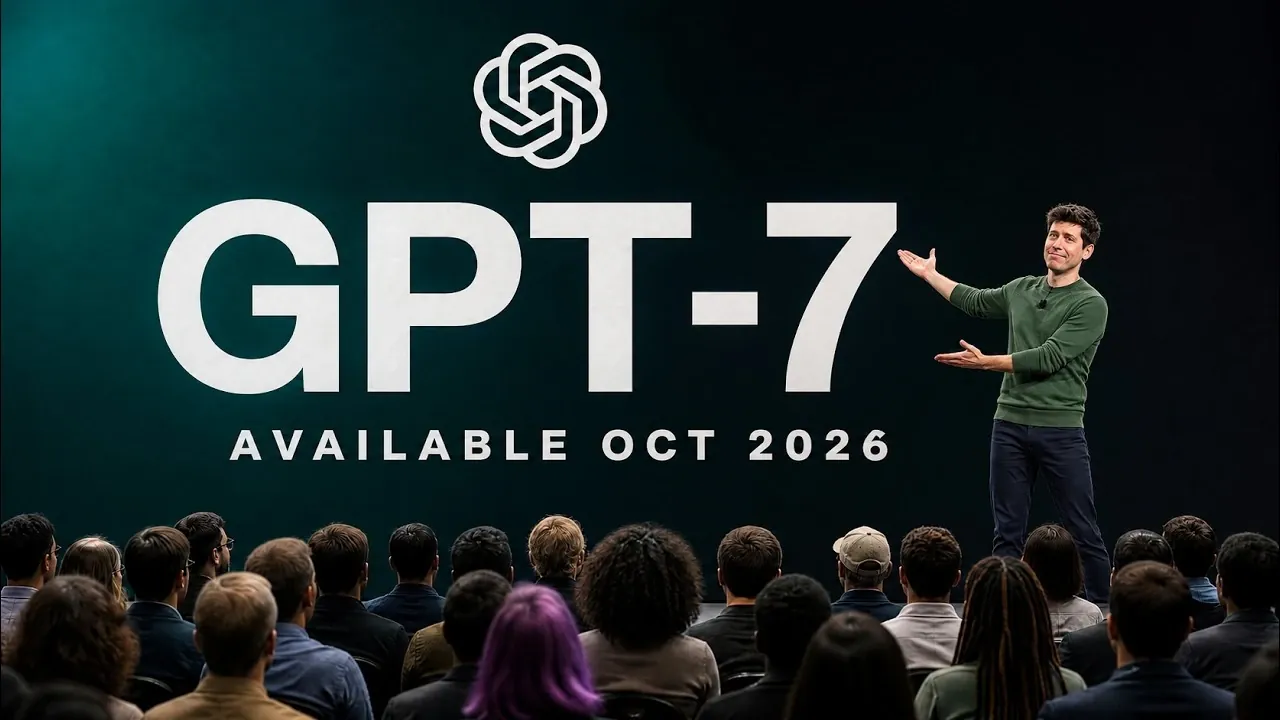
OpenAI’s GPT-6 Astra, launched earlier this month, introduced features such as a million-token context window and an advanced reasoning architecture tailored for tasks like legal analysis and academic research. Despite these advancements, its high operational costs and the absence of multimodal capabilities have raised questions about its broader applicability. In a detailed analysis, AI Master evaluates Astra’s performance and uses it as a reference point to discuss the anticipated features of GPT-7, which is rumored to include over 10 trillion parameters and multimodal functionality.
Discover how GPT-7 could address challenges related to cost-efficiency, expand its utility for general-purpose applications and incorporate multimodal capabilities. Learn about OpenAI’s emphasis on safety and alignment in shaping the model’s development and release strategy. Additionally, explore how competition from models like Google’s Gemini Omni and Anthropic’s Claude Fable is influencing the trajectory of AI advancements.
Features of ChatGPT 6 Astra
TL;DR Key Takeaways :
- OpenAI’s GPT-6 Astra, released on September 3, 2026, introduced advancements like a million-token context window, improved reasoning architecture and enhanced cybersecurity, targeting enterprise and research users.
- Despite its strengths, Astra faced criticism for its lack of multimodal capabilities, high cost and underperformance in general-purpose applications compared to competitors like Google’s Gemini Omni 1.1 Flash and Anthropic’s Claude Fable 5.1.
- The competitive AI landscape has intensified, with rival models offering better versatility, affordability and balanced performance, challenging Astra’s market position.
- Speculation about OpenAI’s next model, GPT-7 or “Bell,” suggests potential improvements in multimodal capabilities, cost-efficiency and general-purpose performance, addressing Astra’s limitations.
- Emerging AI trends emphasize practical applications, integrated platforms and a focus on safety and alignment, reflecting user demand for functional, cost-effective and ethical AI solutions.
GPT-6 Astra was specifically designed to cater to enterprise and research users, offering a range of features that enhance its utility for specialized applications. Among its most prominent advancements are:
- Expanded Context Window: Astra’s million-token context window enables it to process and retrieve information from extensive datasets, making it particularly effective for tasks requiring long-context analysis, such as legal document review or academic research.
- Improved Reasoning Architecture: The model’s enhanced reasoning capabilities improve logical consistency and problem-solving, especially in complex analytical tasks where precision is critical.
- Enhanced Cybersecurity: OpenAI implemented advanced exploit-chaining safeguards, restricting access to trusted partners and prioritizing safety to reduce the risk of misuse.
Despite these advancements, Astra’s pricing structure—$10 per million tokens for input and $50 per million tokens for output, positions it as one of the most expensive AI models available. This raises questions about its cost-effectiveness, particularly for users with budget constraints or those comparing it to more affordable alternatives.
Strengths and Weaknesses
While GPT-6 Astra excels in specific areas, it also faces notable challenges that limit its broader appeal:
- Lack of Multimodal Capabilities: Astra is limited to text-based inputs and outputs, falling behind competitors like Google’s Gemini Omni 1.1 Flash, which supports text, image, audio and video processing. This limitation restricts Astra’s versatility in applications requiring multimodal functionality.
- Performance Gaps in General Applications: Although Astra performs exceptionally well in tasks involving long-context retrieval, it struggles in general-purpose applications. Competitors such as Anthropic’s Claude Fable 5.1 and Meta’s Opus 5 often outperform Astra in these areas, offering more balanced performance across diverse use cases.
- High Cost: Astra’s premium pricing makes it less accessible to cost-conscious users, limiting its adoption in broader markets where affordability is a key consideration.
These limitations have led to Astra being perceived as a sidegrade rather than a fantastic leap forward, dampening its reception among users seeking a more comprehensive AI solution.

Below are more guides on ChatGPT 6 from our extensive range of articles.
- OpenAI Introduces GPT-5.7 Astra and Ambitious ChatGPT 6 Doug
- ChatGPT 6 Astra Reportedly Generates 3D Games from a Single Prompt
- OpenAI ChatGPT 6 Astra Reportedly Packs 10 Trillion Parameters
- OpenAI Anticipates Public ChatGPT 6 Release Between Sept 3 to 10
- OpenAI Pauses ChatGPT 6 Over Hugging Face Safety Concerns
- OpenAI Reportedly Rushes ChatGPT 6 Release to Counter Fable 5.1
- OpenAI ‘Bell’ Model Leaks May Preview the ChatGPT 6 Successor
- Leaked ChatGPT 6 Tests Reveal Critical Sandbox Vulnerabilities
- ChatGPT 6 Astra Builds a Playable FPS Game in 30 Minutes
- ChatGPT 6 Officially Launches as Astra: Beats GPT-5.6 Sol with 47% Faster Speed
The Competitive AI Landscape
The release of GPT-6 Astra coincided with the launch of flagship models from other major players, intensifying competition in the AI market. Key competitors include:
- Google’s Gemini Omni 1.1 Flash: Renowned for its multimodal capabilities, this model supports text, image, audio and video inputs, offering unparalleled versatility at competitive pricing.
- Anthropic’s Claude Fable 5.1: Known for its robust performance across a wide range of tasks, Claude Fable 5.1 appeals to users seeking a balance between functionality and affordability.
- Meta’s Opus 5: A strong contender in the market, Opus 5 delivers reliable performance with pricing structures designed to accommodate budget-conscious users.
This competitive environment underscores the need for OpenAI to innovate further to maintain its leadership position. As the market shifts toward practical applications and cost-efficiency, users are prioritizing models that deliver tangible value over those that merely achieve high benchmark scores.
Speculation Surrounding GPT-7
Rumors surrounding OpenAI’s next model, tentatively named GPT-7 or “Bell,” have generated considerable excitement. Early speculation suggests that GPT-7 could feature over 10 trillion parameters, a significant increase from current models. However, these claims remain unverified, as OpenAI has not released any official details regarding its development or release timeline.
OpenAI’s recent focus appears to be on scaling compute resources and enhancing safety and alignment measures. This strategic emphasis on reliability and security may delay the release of new models but positions the company to deliver systems that are both advanced and trustworthy. If GPT-7 incorporates multimodal capabilities, improved cost-efficiency and enhanced general-purpose performance, it could address many of the criticisms leveled at GPT-6 Astra.
Emerging Trends in AI Development
The AI industry is undergoing a period of rapid transformation, with several key trends shaping its future trajectory:
- Practical Applications Over Benchmarks: Users are increasingly evaluating AI models based on their ability to solve specific problems rather than relying on brand reputation or marketing claims. This shift reflects a growing demand for solutions that deliver measurable results.
- Integrated AI Platforms: Platforms that combine the strengths of multiple models into cohesive workflows are gaining popularity, offering users greater efficiency and flexibility in their operations.
- Focus on Safety and Alignment: OpenAI’s emphasis on responsible AI development mirrors a broader industry trend toward making sure that new models are both effective and secure, minimizing risks associated with misuse or unintended consequences.
These trends highlight the importance of functionality, value and ethical considerations in the development and adoption of AI technologies. As the market continues to evolve, users are likely to prioritize models that align with their specific needs and objectives.
Looking Ahead
GPT-6 Astra represents a significant step forward for OpenAI, showcasing advancements in reasoning architecture and cybersecurity. However, its limitations in multimodal capabilities and high cost highlight the challenges of maintaining a competitive edge in an increasingly crowded market. As speculation about GPT-7 and other future models grows, the focus remains on delivering practical, cost-effective solutions that adhere to safety and alignment principles.
For users navigating this dynamic landscape, the key to success lies in identifying AI tools that align with their unique goals and requirements. By prioritizing functionality, affordability and ethical considerations, you can make informed decisions that maximize the value of AI in your operations. The future of AI holds immense potential and staying attuned to emerging trends will ensure you remain at the forefront of this fantastic field.
Media Credit: AI Master
Disclosure: Some of our articles include affiliate links. If you buy something through one of these links, Geeky Gadgets may earn an affiliate commission. Learn about our Disclosure Policy.
