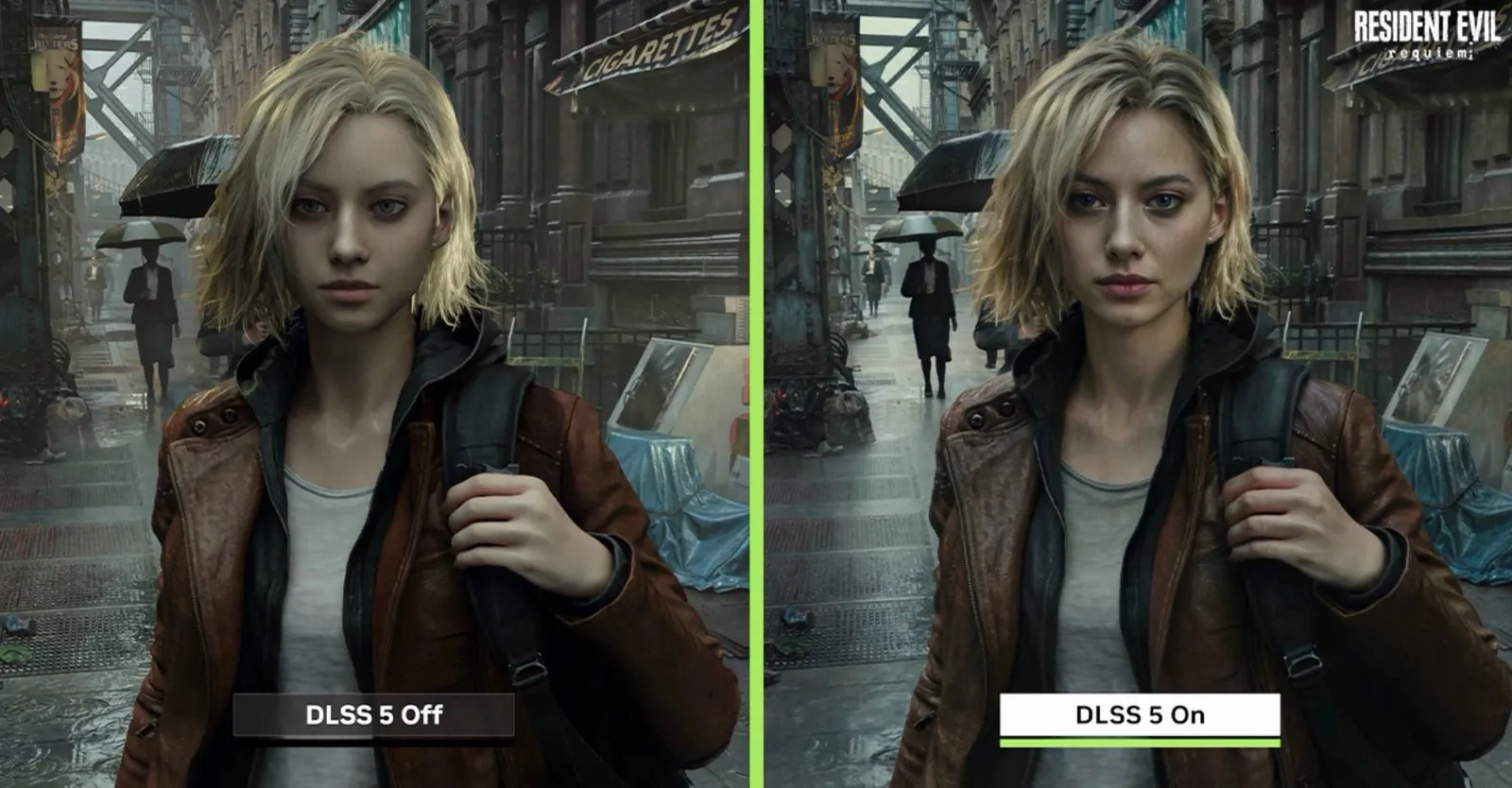
NVIDIA’s DLSS 5 has become a lightning rod for debate within the gaming community, as highlighted by RGT 85 in their recent analysis. Unlike earlier versions of Deep Learning Super Sampling, which were celebrated for improving performance without compromising artistic vision, DLSS 5 introduces AI-driven enhancements that significantly alter visual elements like lighting and shadows. While these features aim to create more immersive experiences, they have sparked criticism from developers and players alike for distorting the intended atmosphere of games. For instance, some developers overview that the technology’s automated adjustments clash with their creative intent, raising broader concerns about the role of AI in shaping game design.
Below discover insight into the key points fueling the DLSS 5 controversy, including how it impacts artistic integrity and why it has divided opinions among industry leaders. Explore the challenges developers face when balancing performance improvements with creative control and understand how this debate ties into larger questions about AI’s role in gaming. By examining the reactions from both creators and players, this breakdown provides a clear view of the ethical and technical dilemmas surrounding DLSS 5’s rollout.
Understanding DLSS: A Quick Overview
TL;DR Key Takeaways :
- DLSS 5, NVIDIA’s latest AI-powered upscaling technology, has sparked controversy for altering the artistic integrity of video games, raising concerns about the balance between innovation and creative authenticity.
- While earlier DLSS versions were praised for enhancing performance on lower-end hardware, DLSS 5 introduces advanced AI-driven filters that modify lighting, shadows and visuals, leading to criticism from developers and gamers.
- The technology has fueled debates about the ethical use of AI in gaming, including whether AI should modify artistic vision or focus solely on technical enhancements.
- Concerns about transparency and corporate accountability have emerged, with critics accusing NVIDIA and gaming media of downplaying the potential downsides of DLSS 5.
- The broader discussion highlights the challenges of integrating AI into creative industries, emphasizing the need for transparency, accountability and respect for artistic intent in future technological advancements.
DLSS, or Deep Learning Super Sampling, is a technology that uses artificial intelligence to upscale lower-resolution images into higher-quality visuals. By doing so, it allows games to achieve higher frame rates while maintaining image clarity, making it particularly beneficial for gamers using mid-range or older hardware.
Earlier iterations of DLSS, such as those integrated into devices like the Nintendo Switch 2, were praised for their ability to balance performance with visual fidelity. These versions focused primarily on resolution enhancement, allowing smoother gameplay without compromising the artistic vision of developers. However, DLSS 5 has introduced a new set of features that extend beyond simple upscaling, fundamentally altering how games are rendered.
Why DLSS 5 is Dividing Opinions
DLSS 5 introduces advanced AI-driven filters designed to enhance lighting, shadows and other visual effects. While these features aim to create a more immersive gaming experience, they have sparked criticism for altering the original artistic vision of games.
For example:
- Developers have reported that DLSS 5 modifies the intended atmosphere of their games, resulting in visuals that diverge from their creative intent.
- Gamers argue that these AI-driven changes distort the authenticity of newer titles, making them appear inconsistent with the developers’ original vision.
This has led to a broader debate about the appropriate use of AI in gaming. Should such enhancements be universally applied, or should they be reserved for specific scenarios, such as remastering older games? Many believe that DLSS 5’s approach undermines the authenticity of modern games, raising concerns about the balance between technological innovation and creative integrity.

Uncover more insights about NVIDIA in previous articles we have written.
- NVIDIA DLSS 5 Real-Time Neural Rendering Explained
- NVIDIA Buys Groq : Licensing Targets Cheaper Inference
- NVIDIA Releases Open Source Nitrogen, Aimed Beyond Games
- NVIDIA GTC 2026 Nemoclaw Launch & AI Agent Updates
- NVIDIA Risk : Datacenter Spend vs Device-Side AI Momentum
- NVIDIA Groq Licensing Explained, $20B Deal Reshapes AI Chips
- NVIDIA PersonaPlex Voice AI : Full-Duplex Chat with Low Latency
- AI News, NVIDIA Vera Rubin Aims at 10M Token Context Windows
- How NVIDIA’s Plan Moves AI from Chips to Factory-Scale Systems
- NVIDIA DLSS 5 AI Debate: Is It Legal in Gaming?
Community and Industry Reactions
The reception to DLSS 5 has been deeply polarized. Some developers and publishers, such as Bethesda, have embraced the technology for its performance benefits, citing smoother gameplay and improved frame rates. However, others remain skeptical, questioning the unintended consequences of its visual modifications.
The controversy has also extended to gaming media. Digital Foundry, a respected authority on gaming technology, initially praised DLSS 5 for its technical achievements. However, following public backlash, the outlet released a follow-up video addressing concerns about the technology’s impact on game visuals. This incident underscored potential missteps in DLSS 5’s rollout and highlighted the need for greater transparency in how such technologies are introduced to the market.
AI in Gaming: Broader Ethical and Technical Questions
The debate surrounding DLSS 5 is part of a larger conversation about the role of AI in creative industries. As AI tools become increasingly sophisticated, they raise critical questions about their impact on artistic expression and industry practices.
Key concerns include:
- Should AI be allowed to modify the artistic vision of a game, or should its role be limited to technical enhancements?
- How can developers ensure that AI-driven tools respect the creative intent behind their work?
- What safeguards should be in place to prevent AI from creating disparities between gaming platforms?
One significant issue is the potential for DLSS 5 to exacerbate platform disparities. Its advanced features may give PC gamers access to enhanced visuals and performance, while console players are left with less optimized versions. This could widen the gap between platforms, fueling tensions within the gaming community and raising questions about fairness in the industry.
Transparency and Corporate Accountability
The rollout of DLSS 5 has also highlighted concerns about transparency and corporate accountability. Critics argue that NVIDIA and its partners have not been fully forthcoming about the potential downsides of the technology. Some have accused gaming media outlets of downplaying these issues to maintain favorable relationships with NVIDIA, further complicating the narrative around DLSS 5.
These concerns point to a broader need for accountability in how new technologies are marketed and implemented. Gamers and developers alike are calling for clearer communication about the trade-offs involved in adopting AI-driven tools like DLSS 5. Greater transparency could help build trust and ensure that such technologies are used responsibly.
What Lies Ahead for DLSS and AI in Gaming
The controversy surrounding DLSS 5 underscores the challenges of integrating AI into creative industries. As AI continues to evolve, developers and publishers will need to carefully navigate the tension between technological innovation and artistic authenticity.
Key takeaways from the DLSS 5 debate include:
- The importance of transparency in the adoption of new technologies.
- The need for accountability in how AI tools are implemented and marketed.
- The ongoing ethical debate about the role of AI in modifying creative works.
Whether DLSS 5 will ultimately be regarded as a significant advancement or a cautionary tale remains uncertain. For now, it serves as a focal point in the broader discussion about the future of AI in video game development. As the industry continues to grapple with these issues, one thing is clear: balancing technological progress with creative integrity will remain a critical challenge for years to come.
Media Credit: RGT 85
Disclosure: Some of our articles include affiliate links. If you buy something through one of these links, Geeky Gadgets may earn an affiliate commission. Learn about our Disclosure Policy.
