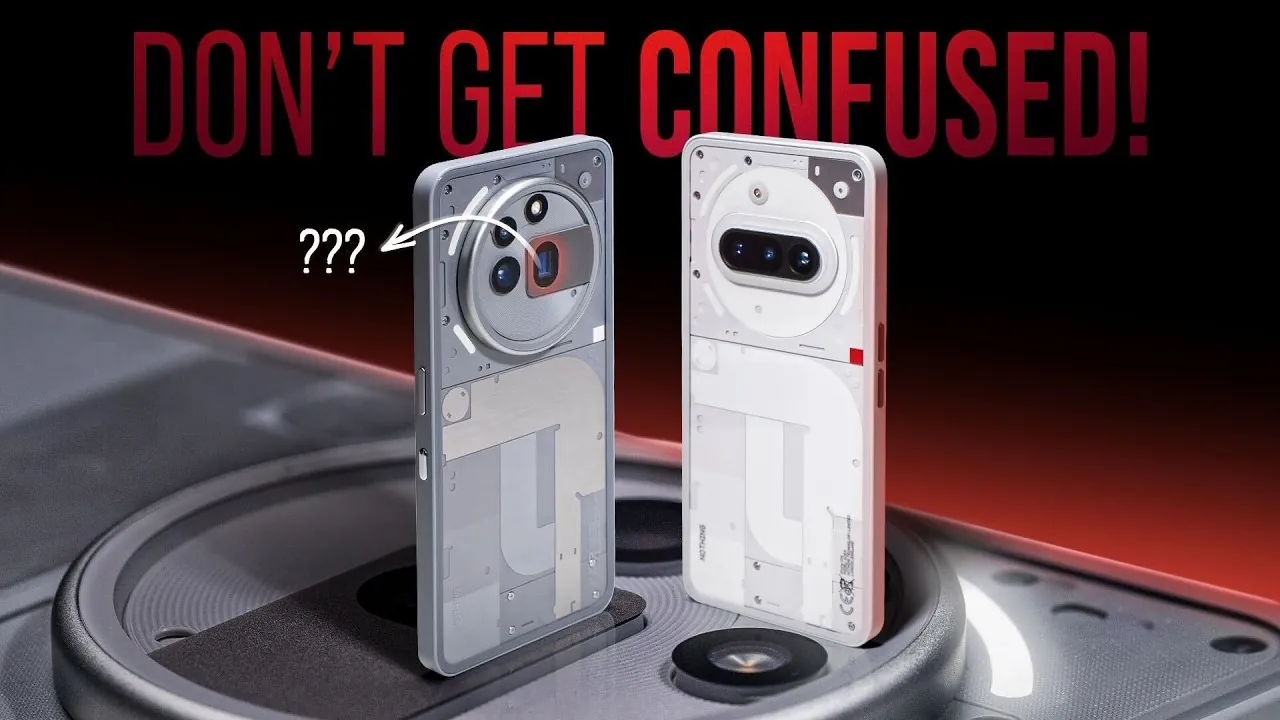
The Nothing Phone 3A and 3A Pro are the latest contenders in the competitive smartphone market, offering a blend of sleek design, capable hardware, and a clean software experience. With a ₹7,000 price gap between the two models, the question arises: does the Pro version justify its premium cost? While both devices share many features, the 3A emerges as the more practical choice for most users, delivering a balanced mix of performance and usability at a more affordable price point.

Design and Build: Minimalist Yet Functional
Both the Nothing Phone 3A and 3A Pro maintain the brand’s signature minimalist aesthetic, but subtle refinements set them apart from their predecessors. The glass back adds a premium feel, though it slightly increases the overall weight. The use of plastic frames strikes a balance between durability and cost-efficiency, making sure the phones remain sturdy without inflating their price.
A notable addition is the “Essential Key,” a customizable button that allows quick access to frequently used functions, enhancing convenience. However, the transparency that defined earlier Nothing models is less prominent, and the glyph lighting system has been toned down for a more understated look. Enhanced dust protection improves durability, but neither device offers full water resistance, which may be a drawback for users in need of rugged features.
Display: Bright, Smooth, and Dependable
Both models feature a 6.77-inch AMOLED display with a 120Hz refresh rate and a peak brightness of 3,000 nits. This ensures excellent visibility in bright outdoor conditions and smooth scrolling for an enhanced user experience. The display is protected by Panda Glass, which offers durability comparable to Gorilla Glass 5, making sure resistance to everyday wear and tear.
The multimedia experience is further elevated by improved speakers, which deliver louder and richer audio compared to previous models. However, the display technology remains largely unchanged from the earlier generation, making it reliable but not new. For most users, the screen provides a satisfying visual experience, though it may not appeal to those seeking innovative innovations.
Performance: Reliable for Everyday Use, But Limited for Gamers
Under the hood, both phones are powered by the Snapdragon 7s Gen 3 processor, paired with up to 12GB of RAM and 256GB of internal storage. This configuration ensures smooth performance for everyday tasks, multitasking, and moderate app usage. However, the processor struggles with demanding games at high settings, which could be a letdown for gaming enthusiasts.
The processor also imposes limitations on the Pro model’s camera and video capabilities, particularly in 4K video recording. While both devices perform admirably for general use, they lack the processing power of flagship smartphones, making them less suitable for users seeking top-tier performance.
Cameras: Pro Model Excels in Specific Scenarios
The camera systems are where the two models diverge significantly. The Nothing Phone 3A features a 50MP main sensor, a 50MP telephoto lens, a downgraded ultra-wide camera, and a 32MP front-facing camera. In contrast, the Pro model upgrades to a new 50MP main sensor, a 50MP periscope lens with 3x optical zoom, and a 50MP front camera.
Both devices deliver sharp and vibrant photos under most conditions, but the Pro model stands out in telephoto and macro photography, thanks to its periscope lens. However, neither phone supports 4K video recording at 60fps, a limitation tied to the processor. For casual photographers, the 3A offers nearly identical results at a lower price, making it the more practical choice for everyday use.
Software: Clean, Intuitive, and Long-Lasting
Both models run on Nothing OS 3.1, which is based on Android 15. The software is clean and free of bloatware, providing a smooth and intuitive user experience. Users can also enjoy three years of major updates and four years of security patches, making sure the devices remain functional and secure over time.
New features like “Essential Space” allow quick access to key apps, while smart app organization and enhanced lock screen customization further improve usability. Whether you’re a tech-savvy user or someone who prefers simplicity, the software strikes a balance between functionality and ease of use.
Battery and Connectivity: Solid Performance With Minor Drawbacks
Both phones are equipped with a 5,000mAh battery, offering 5-6 hours of screen-on time for light to moderate usage. Charging speeds have seen slight improvements compared to previous models, but they remain typical for mid-range devices, making sure reliable performance without standing out.
Connectivity options include Bluetooth 5.4, NFC, dual SIM functionality, and dependable 5G performance. However, the absence of eSIM support and a faster Type-C port may be disappointing for some users, particularly those who prioritize innovative connectivity features.
Value Proposition: 3A Delivers Superior Affordability
When comparing the two models, the Nothing Phone 3A emerges as the better value-for-money option. It offers similar performance, software features, and camera quality as the Pro model but at a significantly lower price. While the Pro version introduces enhancements like a periscope lens and improved macro capabilities, its higher cost is undermined by processor limitations that restrict its full potential.
For most users, the 3A strikes the right balance between affordability and functionality, making it the more practical choice. The Pro model, while appealing to photography enthusiasts, struggles to justify its premium pricing due to its processing and video recording constraints. Ultimately, the Nothing Phone 3A is the smarter investment for those seeking a reliable and well-rounded smartphone experience.
Discover other guides from our vast content that could be of interest on Nothing Phone 3A.
- Nothing Phone 3A Series: Design, Display, and Performance
- Nothing Phone (3a) Pro: How Tough Is It Really? Durability Test
- Kikr S1 phone stand with dual 10W wireless chargers
- Mobile Phone News
- Hackboard 2 Intel Celeron N4020 mini PC from $140
Source & Image Credit: Beebom
Disclosure: Some of our articles include affiliate links. If you buy something through one of these links, Geeky Gadgets may earn an affiliate commission. Learn about our Disclosure Policy.
