Multi-color 3D printing has long promised flexibility and creative control, but the actual experience often falls short. In many cases, the process is slowed down by frequent material changes, inefficient workflows, and unnecessary waste.
That was my starting point with the MOVA AtomForm Palette 300. Rather than expecting a breakthrough, I was mainly interested in whether it could reduce friction and make multi-color printing more practical on a day-to-day basis. In practice, it turned out to be more capable than I initially expected.
Where multi-color printing still struggles
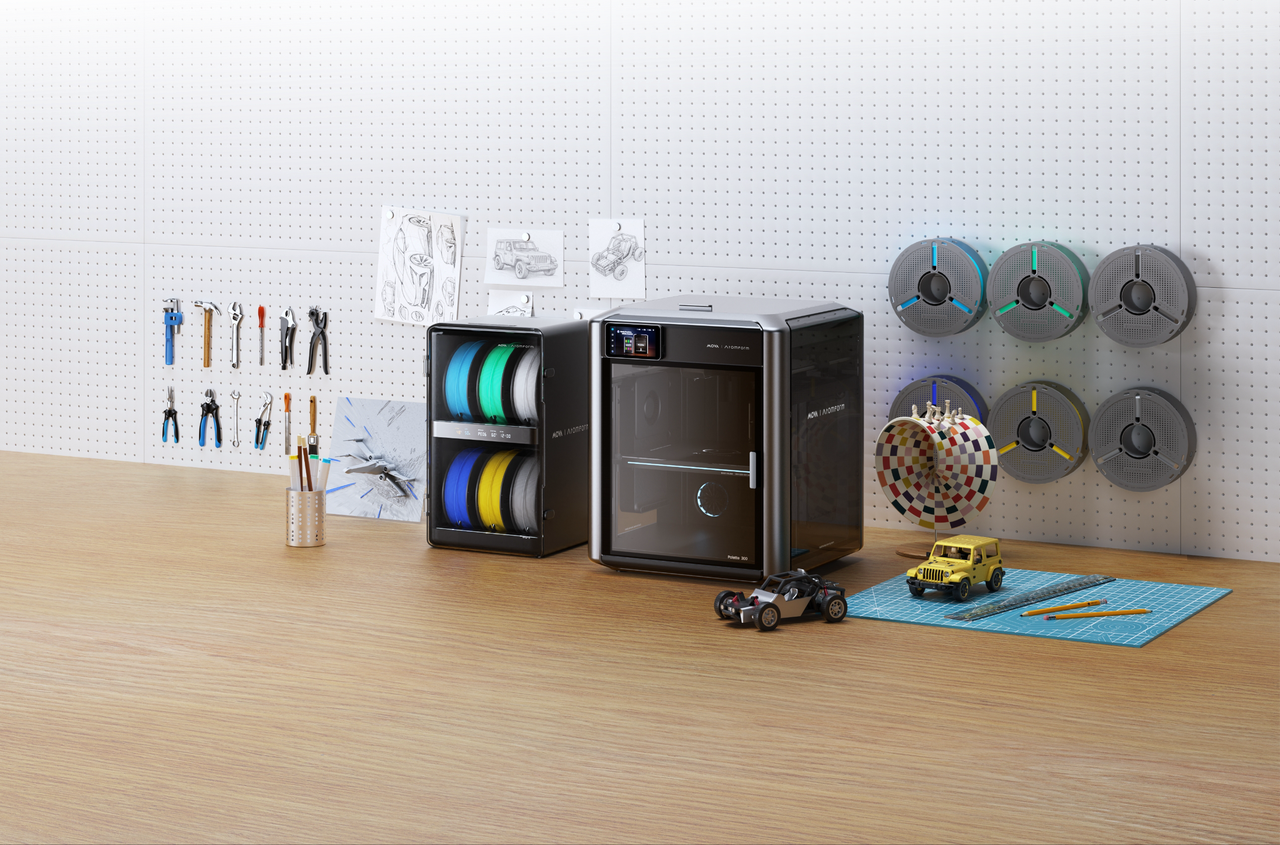
Anyone who has spent time with multi-color 3D printers will recognize the pattern. Each color transition introduces delays, and in many cases, excess material is purged to maintain consistency. On simpler models, this is manageable. On more complex builds, it quickly becomes inefficient.
In my experience, the impact goes beyond just longer print times. It subtly shapes how you approach a project. Designs often get simplified to avoid excessive color changes, which limits what multi-color printing is supposed to enable in the first place.
A more efficient approach to multi-color printing
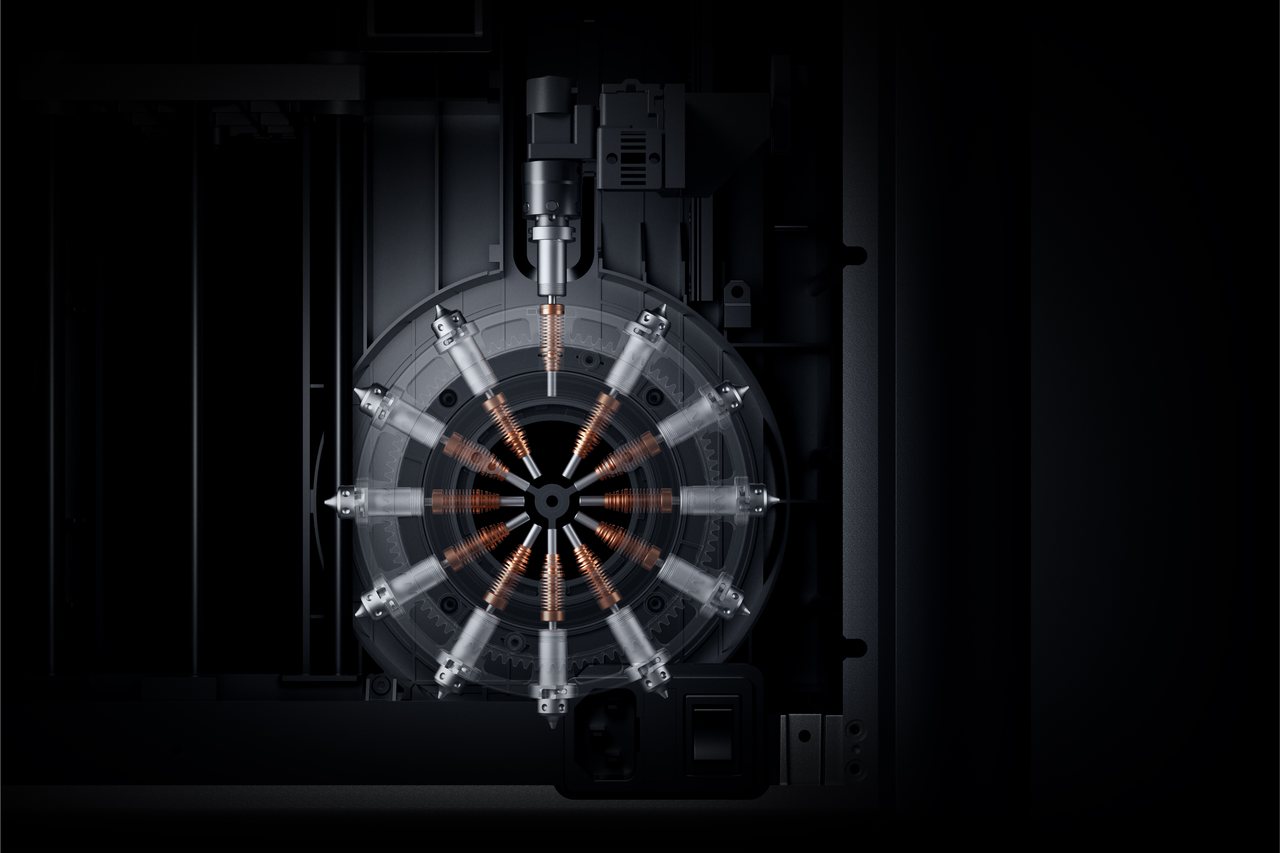
The standout feature here is the MOVA AtomForm Palette 300’s self-developed OmniElement™ 12-nozzle automatic switching system, and this is where I started to pay attention. Instead of relying on repeated purge cycles, the system keeps multiple filaments ready and switches between them directly. Built on a precision rotary structure with 12 independently heated and fed nozzles, it enables promptly switching between materials, rather than forcing the printer to reset between colors. From my perspective, this is one of the first things that stands out. There is noticeably less wasted material, and the printing process feels more continuous, especially on more complex, multi-color models. It also highlights a different approach compared to traditional purge-based systems, where material loss is often unavoidable.
In practical terms, this translates into measurable gains. Material switching is faster, and the usual purge-heavy process is largely eliminated, reducing material waste by up to 90% while improving switching efficiency by around 50%. Over time, that shift is easy to notice, especially on longer or more complex builds.
What surprised me more was how much thought went into the overall workflow. Prints move forward with fewer interruptions, and I spend less time anticipating the next pause or adjustment. It does not dramatically change what the printer can do, but it does change how smooth the process feels from start to finish.
That same approach carries into the supporting systems. The ReadyPrint feeding system helps maintain consistent operation with less hands-on oversight, while the RFD-6 integrates filament feeding and drying into a single system, eliminating the need for a separate dry box and saving both cost and workspace. Over time, this also means fewer failed prints and less material wasted on reprints.
To support that level of consistency, the system also integrates a network of over 50 sensors alongside four AI-powered cameras. In use, this means the printer is constantly monitoring each stage of the process, from initial layers to final output, helping detect deviations early and maintain stable performance without requiring constant user intervention.
Software that supports the workflow
Hardware improvements only go so far. With the MOVA AtomForm Palette 300, the software side feels just as well considered, particularly in how it supports day-to-day use.
AtomForm Studio goes beyond a typical slicer. Features like Print Queue simplify multi-part projects by allowing everything to be prepared in a single workflow, rather than resetting and re-slicing each file individually. In practice, I found this especially useful on multi-part builds, where the usual back-and-forth can slow things down more than expected.
Device Management is another practical addition, especially if you are working with more than one printer. Being able to monitor and control everything from one interface makes the workflow easier to manage, without constantly switching between systems.
There is also an Easy Mode for slicing, which reduces the need to fine-tune detailed settings manually. While experienced users may still prefer full control, I found it helpful for getting consistent results quickly, particularly when I just wanted to move a project forward without spending extra time on configuration. For users without a strong background in 3D modeling or slicing, this also lowers the barrier to getting started.
Beyond workflow, the broader ecosystem also plays a role. Through AtomVerse, users can access models, generate designs using AI tools, and share or download content without platform restrictions. This helps lower the barrier to entry, especially for users without prior 3D modeling experience.
Making Multi-Color 3D Printing More Practical
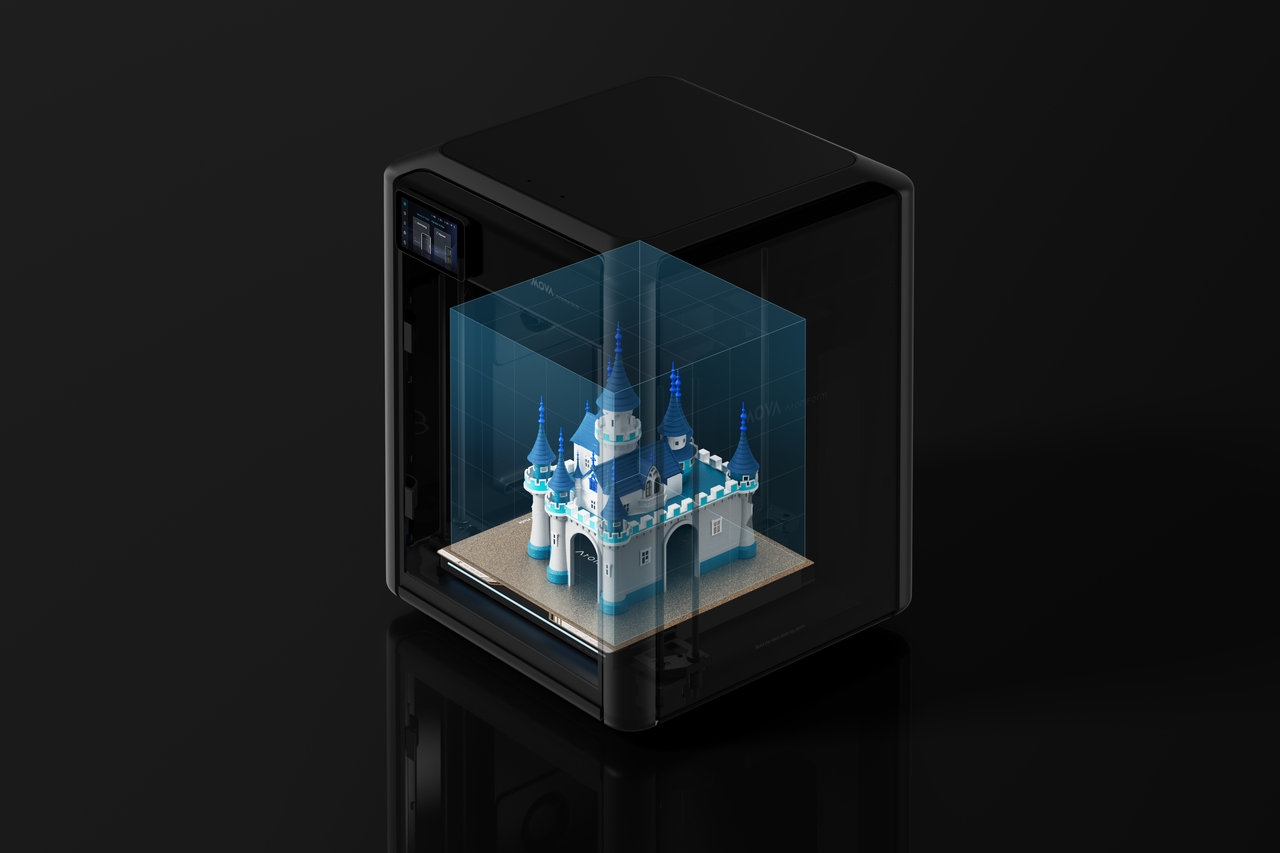
In practical terms, the MOVA AtomForm Palette 300 fits naturally into a range of creative scenarios. It works well for personalized projects like figurines and custom designs, as well as home-based builds where flexibility matters. It also suits content creators producing DIY work or visual showcases, and even educational settings where ease of use can make a difference.
What becomes clearer over time is how the system works as a whole. The hardware improves the efficiency of multi-color printing, the software simplifies the workflow, and the platform expands access to models and ideas.
From my perspective, that combination is what makes the difference. It is not just about improving individual features, but about making the entire process easier to work with from start to finish. And in day-to-day use, that shift is what makes the system feel genuinely more practical.
The MOVA AtomForm Palette 300 is expected to open for pre-order in Q2 2026. For those interested in seeing the system in action, including real-world demos and product showcases from events like RAPID + TCT, it is worth following MOVA AtomForm through its official channels for updates on availability and early access details.
Disclosure: Some of our articles include affiliate links. If you buy something through one of these links, Geeky Gadgets may earn an affiliate commission. Learn about our Disclosure Policy.
