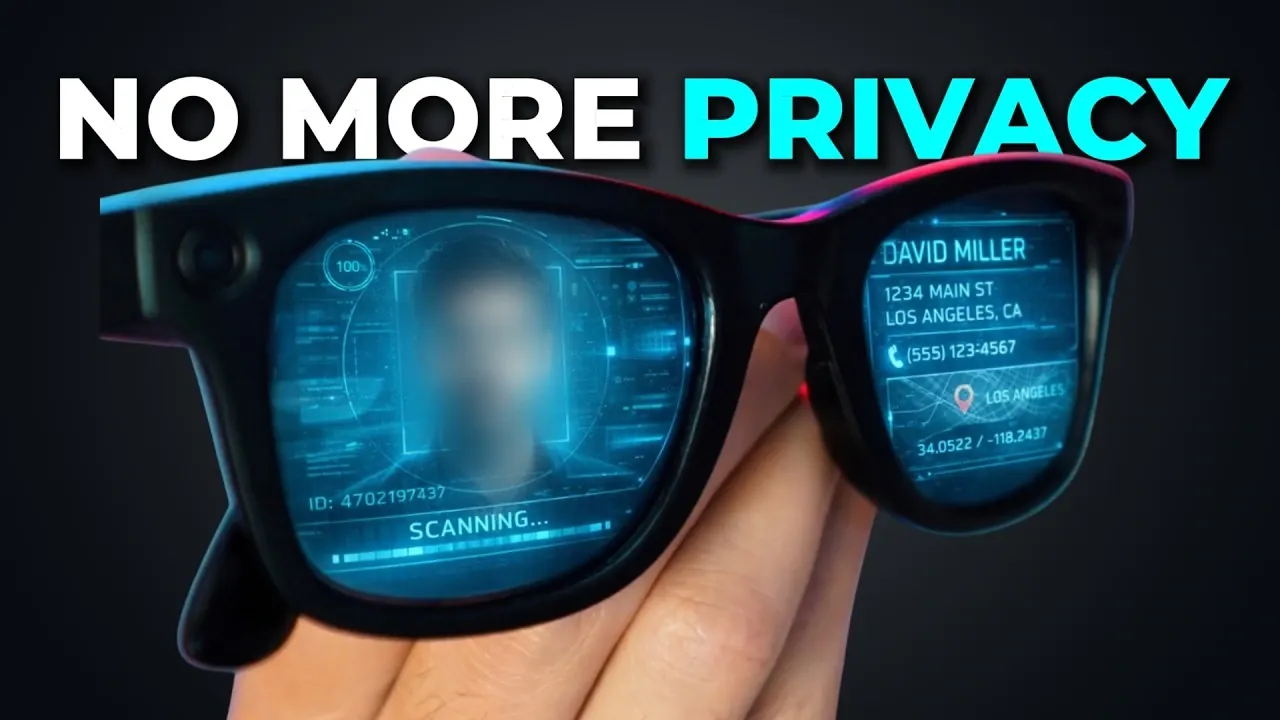
Meta’s exploration of facial recognition technology for its smart glasses, internally referred to as “Name Tag,” represents a significant step in blending artificial intelligence with wearable devices. As Steven Sullivan explains, this feature could enable users to identify individuals in real time by analyzing facial features and cross-referencing them with online data. For example, visually impaired individuals might benefit from auditory cues that help them navigate social interactions more confidently. However, this potential innovation also raises serious concerns about privacy and the ethical implications of integrating such technology into everyday life.
In this breakdown, you’ll learn how Meta’s proposed “Name Tag” feature uses AI algorithms to deliver real-time identification and the accessibility benefits it could offer. The guide also examines the risks of exposing sensitive personal information, such as names or addresses and highlights the broader societal implications of normalizing facial recognition in consumer devices. By the end, you’ll have a clearer understanding of the delicate balance between advancing technology and safeguarding privacy in the context of Meta’s evolving approach.
Meta’s Facial Recognition Plans
TL;DR Key Takeaways :
- Meta is exploring the integration of facial recognition technology, called “Name Tag,” into its smart glasses, aiming to provide real-time identification and assist visually impaired users, but raising significant privacy and ethical concerns.
- The “Name Tag” feature would use AI algorithms to analyze facial features and cross-reference them with online data, potentially improving accessibility but also posing security risks like unauthorized access to personal information.
- Privacy and safety risks are heightened by the potential misuse of facial recognition, such as stalking or harassment, especially given the prevalence of online data breaches.
- Meta’s evolving stance on facial recognition reflects a tension between innovation and ethical responsibility, with internal discussions suggesting cautious rollout strategies to minimize public backlash.
- The societal implications of normalizing facial recognition include potential erosion of privacy, systemic discrimination and exploitation, emphasizing the need for transparency, accountability and robust safeguards.
Facial recognition technology functions by analyzing unique facial features and cross-referencing them with data from online sources. Meta’s proposed “Name Tag” feature would use AI algorithms to deliver real-time identification. For instance, visually impaired users could receive auditory cues about the people around them, allowing smoother and more confident social interactions. This application demonstrates the potential for such technology to improve accessibility and inclusivity.
However, the same technology could also retrieve sensitive personal details, such as names, addresses, or phone numbers, potentially exposing individuals to security risks. The dual-use nature of facial recognition underscores its potential to both empower and endanger, depending on how it is implemented and regulated. This balance between utility and risk is central to the ongoing debate surrounding its adoption.
Privacy and Safety Risks
The integration of facial recognition into consumer devices significantly amplifies existing concerns about privacy and safety. If misused, this technology could assist stalking, harassment, or unauthorized access to personal information. These risks are particularly alarming given the vast amount of personal data already available online, much of which has been exposed through data breaches in recent years.
For example, large-scale breaches have compromised the private information of millions, creating vulnerabilities that tools like “Name Tag” could exploit. Such incidents highlight the urgent need for robust safeguards to protect users from potential abuse. Without clear regulations and accountability measures, the deployment of facial recognition technology could exacerbate existing privacy concerns and introduce new challenges.
Meta Facial Recognition Smart Glasses

Here is a selection of other guides from our extensive library of content you may find of interest on smart glasses.
- Samsung Smart Glasses 2026: Features, Specs, and Release Date
- Samsung Smart Glasses: Features, Release Date, and
- Apple Glasses Rumors: Release Date, N401 Chip & Features
- Apple Glasses: Everything We Know So Far
- Smart Glass News: Meta Delays Phoenix, Xreal Launch & Apple Rumors
- Google Smart Glasses with Dockable Earbuds Leaked
- Samsung’s Smart Glasses Will Transform Wearable Technology
- Rokid Glasses vs Rokid AI Glasses Style : Display vs Comfort
- RayNeo X3 Pro vs Meta Ray-Ban Displays: Full Feature Review
- Best Smart Glasses 2026 Compared : Android, Apple, Rokid & Snapchat
Historical Context: A Shift in Meta’s Approach
The concept of integrating facial recognition into smart glasses is not entirely new. In 2014, a group of Harvard students demonstrated a similar idea using modified smart glasses, sparking widespread debates about its ethical implications. At the time, Meta publicly opposed such features, citing concerns about user privacy and the potential for misuse.
However, internal overviews suggest that Meta’s stance has evolved. The company has been deliberating the release of “Name Tag” for over a year, with plans to test the feature at a conference for visually impaired individuals. This shift reflects a broader tension between technological innovation and ethical responsibility. While the potential benefits of such advancements are clear, the risks and societal implications remain significant.
Ethical and Strategic Challenges
Meta’s internal discussions reveal a cautious approach to the potential rollout of “Name Tag.” Leaked memos indicate that the company has considered launching the feature during periods of global distraction to minimize public backlash. This strategy raises important questions about corporate accountability and the prioritization of innovation over ethical considerations.
The broader implications of normalizing facial recognition in consumer devices are profound. Vulnerable groups, such as women and marginalized communities, could face heightened risks if the technology is misused. These ethical dilemmas emphasize the importance of transparency and accountability in the development and deployment of such tools. Companies like Meta must carefully weigh the societal impact of their innovations against the potential benefits.
Societal Implications of Facial Recognition
The integration of facial recognition into smart glasses has the potential to fundamentally reshape societal norms around privacy and surveillance. Critics warn that such technologies could normalize invasive practices, making it increasingly difficult for individuals to control their personal information. This erosion of privacy could have far-reaching consequences, particularly for vulnerable populations.
Systemic discrimination and exploitation could also be exacerbated by the misuse of facial recognition technology. For example, marginalized communities may face disproportionate risks, as biases in AI systems could lead to unfair treatment or profiling. These concerns highlight the need for a balanced approach that prioritizes the protection of individual rights while fostering innovation.
Meta’s Current Position
Meta has stated that its current smart glasses do not include facial recognition capabilities. The company emphasizes features like visible LED indicators on its devices to ensure transparency when recording. However, the exploration of “Name Tag” suggests that Meta is actively seeking ways to expand the functionality of its smart glasses. This pursuit of innovation, while promising, must be carefully managed to address the ethical and societal challenges it presents.
As Meta continues to explore the possibilities of facial recognition technology, its decisions will likely shape the future of AI-powered consumer devices. The company’s approach to balancing innovation with ethical responsibility will play a critical role in determining public trust and acceptance of such advancements.
Media Credit: Steven Sullivan
Disclosure: Some of our articles include affiliate links. If you buy something through one of these links, Geeky Gadgets may earn an affiliate commission. Learn about our Disclosure Policy.
