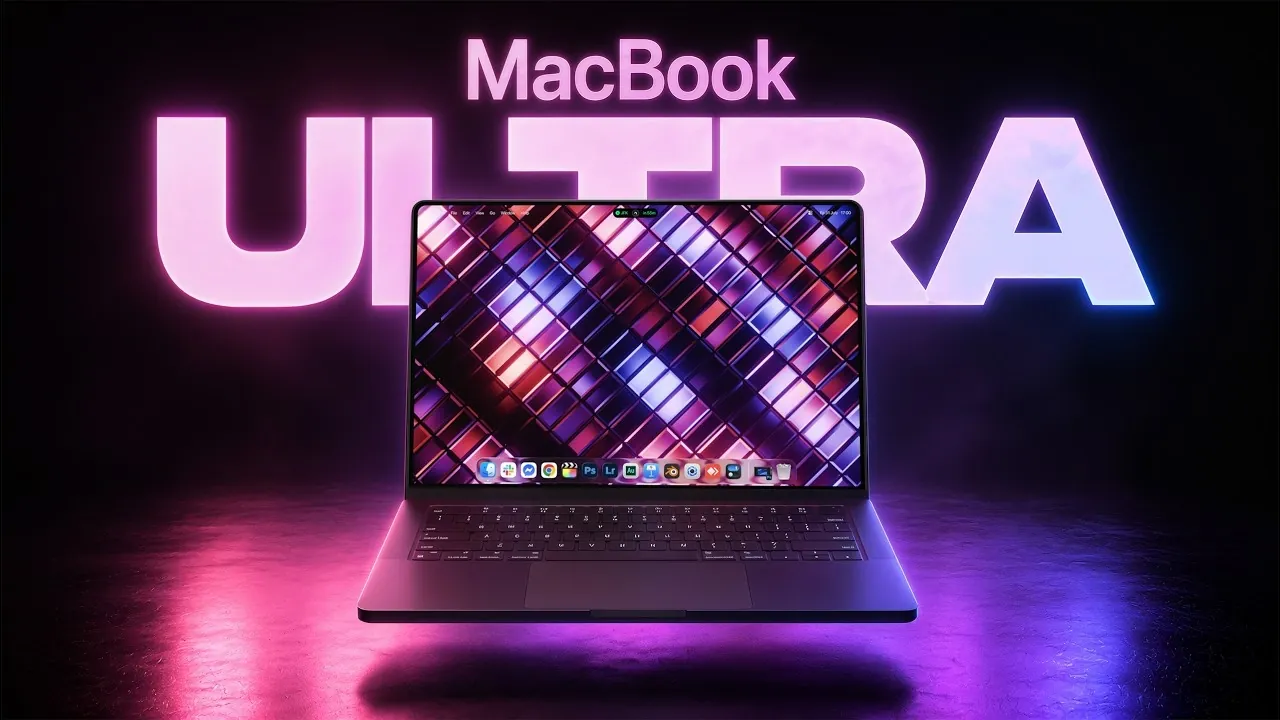
The MacBook Ultra, Apple’s latest addition to its laptop lineup, has generated significant buzz with its promise of innovative features and a sleek, modern design. Positioned as a premium device, it aims to redefine the boundaries of portable computing. However, beneath the surface of this excitement lies a series of challenges that could influence its reception. From its steep pricing to reliance on older chip technology, the first-generation MacBook Ultra raises questions about its value and long-term appeal. The video below from ZONEofTECh gives us more details about the possible delay of the MacBook Ultra.

Pricing: A Steep Entry Point
The MacBook Ultra comes with a price tag that firmly places it in the luxury category. Analysts estimate a starting price of approximately $3,299, making it one of Apple’s most expensive laptops to date. For those seeking higher-end configurations with expanded RAM and storage, the cost could exceed $5,000.
While the premium pricing reflects the advanced features and engineering behind the device, it also risks alienating a portion of Apple’s customer base. Many users prioritize affordability alongside performance and this steep entry point may limit accessibility. The question for potential buyers is whether the features and performance justify the cost, or if the MacBook Ultra will remain out of reach for all but the most dedicated Apple enthusiasts.
Chip Technology: A Step Behind the Future
At the heart of the MacBook Ultra are Apple’s M5 Pro and M5 Max chips, which promise robust performance for demanding tasks. However, these chips lack the AI-driven advancements anticipated in the upcoming M7 series, expected to debut in 2027. Apple’s decision to skip the M6 generation and delay the M7 chips means the MacBook Ultra could feel outdated sooner than expected, especially as AI-powered applications become more prevalent.
For professionals who rely on innovative technology, this reliance on older chip architecture may be a significant drawback. If long-term performance and AI capabilities are priorities, the MacBook Ultra’s hardware might not meet expectations. This raises concerns about its ability to handle future software updates and evolving workloads, particularly in industries where staying ahead of technological trends is critical.
Features: Innovation Meets Uncertainty
The MacBook Ultra introduces several noteworthy features designed to enhance usability and performance. These include:
- A thinner, more portable design that emphasizes mobility.
- An OLED tandem display for superior color accuracy and visual clarity.
- A dynamic island feature and touch support, offering a more interactive user experience.
Additionally, there is speculation about the inclusion of cellular connectivity, which would allow users to stay connected without relying on Wi-Fi. However, Apple has yet to confirm this feature, leaving potential buyers uncertain about the final specifications. While these upgrades signal progress, the lack of clarity around certain capabilities may cause hesitation among those considering the device. For users who prioritize reliable and clearly defined features, this uncertainty could be a deciding factor.
Performance and Longevity: Room for Improvement
The M5 Pro and M5 Max chips are expected to deliver strong performance, particularly for tasks such as video editing, graphic design and software development. However, their absence of next-generation AI enhancements could limit the MacBook Ultra’s ability to adapt to future technological advancements. This is particularly relevant as AI-powered applications and workflows become increasingly common across industries.
Another potential limitation lies in the RAM and storage options available in the first-generation model. While Apple has not disclosed specific configurations, early reports suggest that the base model may not offer the level of expandability that power users demand. For those seeking a laptop that can remain viable for years to come, these factors warrant careful consideration. The MacBook Ultra may excel in the short term, but its long-term viability could be compromised by these trade-offs.
Positioning: A New Tier, But at What Cost?
The introduction of the MacBook Ultra signals Apple’s intent to create a new tier above its existing MacBook Pro lineup. This move raises important questions about its role within Apple’s ecosystem. Will the Ultra replace the Pro as the go-to choice for professionals, or will it cater to a niche audience of high-end users seeking the absolute best in design and performance?
This lack of clarity in positioning could lead to confusion among potential buyers. For those comparing the Ultra to the more established Pro models, understanding how it fits into Apple’s broader lineup will be crucial. The MacBook Ultra’s premium pricing and unique features may appeal to a specific segment of users, but its overall value proposition remains uncertain.
First-Generation Trade-Offs
As with any first-generation product, the MacBook Ultra comes with inherent risks. Its reliance on older chip technology, combined with potential limitations in RAM and storage, may make it less appealing to early adopters seeking a future-proof device. Additionally, the uncertainty surrounding certain features, such as cellular connectivity, adds another layer of complexity to the decision-making process.
For those considering the MacBook Ultra, it’s essential to weigh its innovative features against its potential drawbacks. Does it align with your long-term needs, or would waiting for a more refined version be a wiser choice? Early adopters often face trade-offs and the MacBook Ultra is no exception.
Balancing Innovation and Practicality
The MacBook Ultra represents a bold step forward for Apple, blending advanced features with a sleek design that sets it apart from existing models. However, its high price, reliance on older chip technology and first-generation limitations could make it a polarizing choice. For those in the market for a high-end laptop, the MacBook Ultra’s capabilities may be appealing, but its drawbacks cannot be ignored.
Carefully consider whether the MacBook Ultra’s features and performance align with your priorities and long-term goals. While it offers a glimpse into the future of portable computing, its current iteration may not fully deliver on its promise. For some, waiting for a more refined version could prove to be the better investment.
Here are more detailed guides and articles that you may find helpful on MacBook Ultra.
- Why MacBook Pro Users Are Eyeing the New MacBook Ultra
- MacBook Ultra Leaks: Apple’s First 14-Inch Touchscreen Laptop Is Closer Than You Think
- MacBook Ultra: 7 New Features That Will Make You Forget the MacBook Pro
- Moving Beyond Pro: Apple Leaks Reveal 4 New ‘Ultra’ Tier Devices for 2026
- Leaked: Apple’s M6 OLED MacBook Pro is the Redesign We’ve Been Waiting For
Source & Image Credit: ZONEofTECH
Disclosure: Some of our articles include affiliate links. If you buy something through one of these links, Geeky Gadgets may earn an affiliate commission. Learn about our Disclosure Policy.
