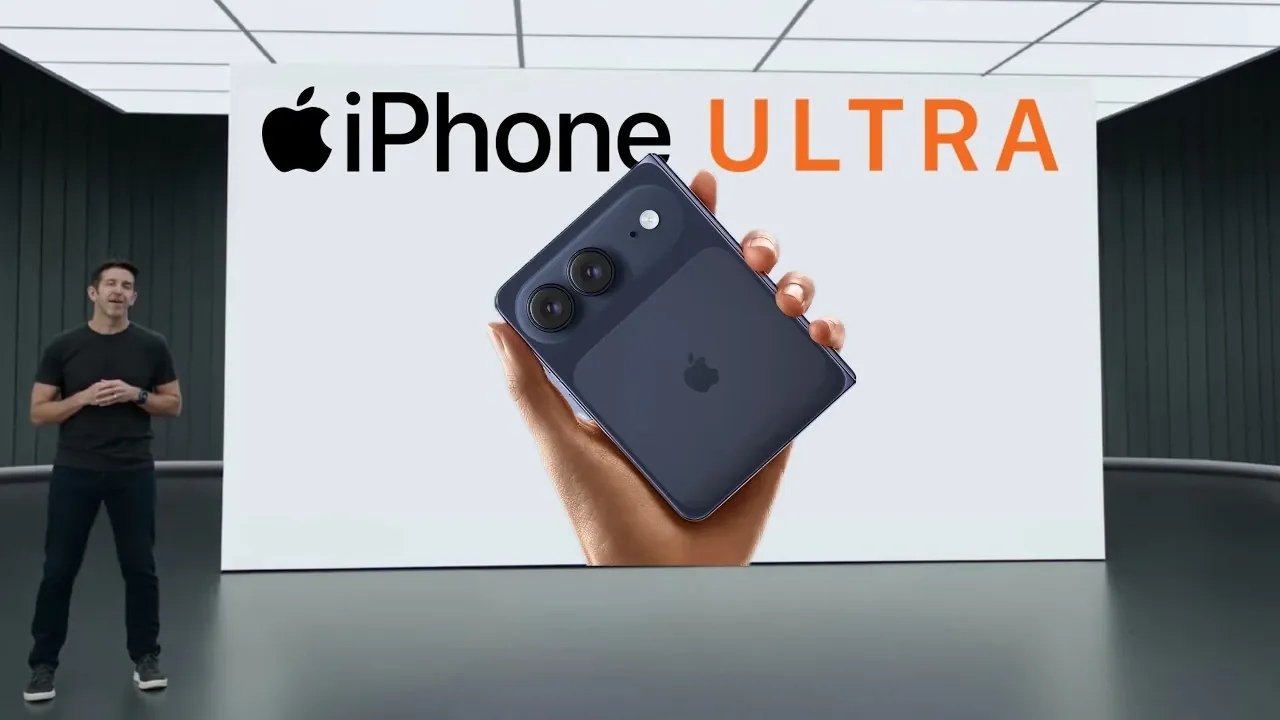
Apple is reportedly preparing to launch its first foldable iPhone, the iPhone Ultra, marking a pivotal step into the foldable smartphone market. This highly anticipated device is expected to feature a sophisticated design, a limited yet refined color palette, and a premium price tag. With only two color options, silver, white, and deep indigo blue, the iPhone Ultra is positioned as a luxury product aimed at a niche audience. This strategic move could reshape the foldable smartphone category, setting new benchmarks for innovation and exclusivity. The video below from SaranByte gives us more details about Apple’s first folding smartphone.

Minimalist Color Choices Reflect Apple’s Design Philosophy
The iPhone Ultra will debut with just two color options: silver white and deep indigo blue. This restrained palette is consistent with Apple’s tradition of offering limited choices for first-generation products, emphasizing simplicity and elegance. By focusing on a minimalist aesthetic, Apple underscores the premium nature of the device, appealing to users who value sophistication over variety. These carefully curated colors not only reflect Apple’s design philosophy but also enhance the exclusivity of the iPhone Ultra, making it a statement piece for discerning buyers.
Premium Pricing Targets a Select Audience
With a price expected to exceed $2,000, the iPhone Ultra will rank among the most expensive smartphones available. This pricing strategy is deliberate, targeting a specific audience of tech enthusiasts and luxury buyers who prioritize innovative technology and exclusivity over affordability. While the high cost may deter mainstream consumers, it positions the iPhone Ultra as a status symbol and a showcase of Apple’s engineering prowess. This approach reinforces Apple’s reputation as a leader in luxury technology, catering to those who demand the best in design and innovation.
Engineering Challenges of Foldable Technology
Foldable devices present unique engineering challenges and Apple is reportedly taking a cautious approach to ensure the iPhone Ultra meets its exacting standards. The hinge mechanism, a critical component of any foldable device, is a primary focus for durability and reliability. Apple is likely using lessons learned from competitors’ struggles with hinge failures and display issues, aiming to deliver a product that balances innovation with long-term usability. These complexities, however, may limit production capacity, potentially restricting availability until 2027. By prioritizing quality over speed, Apple seeks to establish a new standard for foldable devices.
Blurring the Lines Between iPhone and iPad
The iPhone Ultra is expected to feature a 7.8-inch foldable display, multitasking capabilities and Apple Pencil support, effectively bridging the gap between the iPhone and iPad. This hybrid design positions the device as a versatile tool for productivity and creativity, appealing to users who demand more from their mobile devices. By combining portability with advanced features, the iPhone Ultra redefines what a smartphone can offer, catering to professionals, artists and tech-savvy consumers seeking a multifunctional device.
Apple’s Influence on the Foldable Market
Apple’s entry into the foldable market is poised to have a profound impact on the tech industry. As a late entrant, Apple benefits from observing competitors’ challenges, such as hinge durability and app optimization and addressing these issues in its own product. The iPhone Ultra’s launch could encourage app developers to prioritize foldable-friendly designs and inspire accessory makers to create products tailored to this new form factor. For consumers, Apple’s involvement lends credibility to the foldable category, potentially accelerating its adoption and reshaping market expectations.
What the Future Holds for the iPhone Ultra
The first-generation iPhone Ultra is positioned as a premium, experimental product, but future iterations are likely to expand on its initial offerings. Over time, Apple could introduce additional color options, refine the design and potentially lower prices as production scales and the technology matures. For now, the iPhone Ultra serves as a bold statement of Apple’s vision for the future of mobile devices, showcasing its commitment to innovation and exclusivity. This device not only highlights Apple’s ability to push technological boundaries but also sets the stage for the evolution of foldable smartphones.
Target Audience: Who is the iPhone Ultra For?
The iPhone Ultra is designed for a specific audience: premium buyers who prioritize functionality, exclusivity and innovative technology over affordability or vibrant design. By focusing on this demographic, Apple reinforces its reputation as a leader in luxury tech and innovation. The device’s high price point and limited availability ensure it remains a symbol of status and sophistication, appealing to those who seek the best in mobile technology. For this audience, the iPhone Ultra is more than a smartphone, it is a testament to Apple’s dedication to quality and design excellence.
Uncover more insights about Foldable iPhone in previous articles we have written.
- Move Over Pro Max: Why the Foldable iPhone Ultra Is Apple’s New $2,000 Flagship
- The ‘Passport’ iPhone Is Real: First Look at Apple’s Foldable ‘Ultra’ Design and its 7.8-inch Display
- iPhone Ultra Leak: Why Apple’s 4.5mm Foldable Design Changes Everything
- Forget the iPhone 18: The iPhone Fold Leaks Reveal a 7.8-Inch Monster
- iPhone Ultra Fold First Look: Apple Finally Went WIDE to Create the Ultimate Hybrid Device
Source & Image Credit: SaranByte
Disclosure: Some of our articles include affiliate links. If you buy something through one of these links, Geeky Gadgets may earn an affiliate commission. Learn about our Disclosure Policy.
