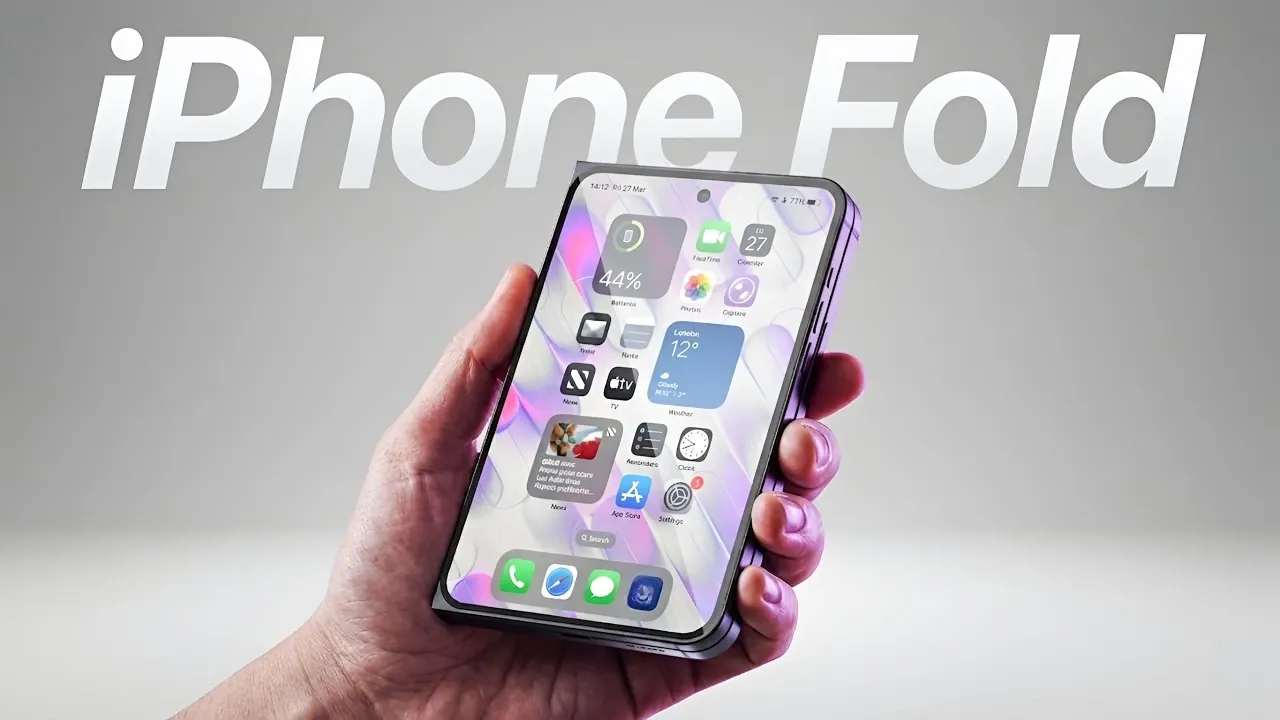
Apple’s rumored foldable iPhone, potentially debuting alongside the iPhone 18 lineup, represents a pivotal moment in the evolution of smartphone design. Industry leaks suggest a shorter, wider foldable design, positioning Apple to compete directly with established players like Samsung and Google in the foldable device market. While production timelines remain uncertain, Apple’s emphasis on innovation and its methodical rollout strategy underscore its commitment to delivering a refined and high-quality product.

Redefining Foldable Design
Apple’s approach to foldable technology appears to diverge significantly from its competitors, focusing on usability and practicality. Unlike Samsung’s Galaxy Z Fold series, which features a taller and narrower design, Apple’s rumored foldable iPhone may adopt a shorter, wider form factor, similar to Google’s Pixel Fold. This design prioritizes user convenience, offering a compact outer display of approximately 5.5 inches for everyday tasks and an expansive 7.8-inch inner display for immersive experiences akin to a mini tablet.
The estimated dimensions of 120.6 mm in height and 83.8 mm in width suggest a deliberate balance between portability and functionality. This design could appeal to users seeking a device that transitions seamlessly between phone and tablet modes, catering to both productivity and entertainment needs. By focusing on a form factor that enhances usability, Apple aims to address the limitations of existing foldable devices while setting a new standard for design efficiency.
Technological Innovations: Elevating the Foldable Experience
Apple’s rumored foldable iPhone is expected to incorporate innovative technologies that could redefine the foldable smartphone experience. These innovations are designed to enhance both functionality and durability, aligning with Apple’s reputation for precision and quality. Key features reportedly under development include:
- Under-Display Front Camera: By embedding the front camera beneath the display, Apple could eliminate the need for a notch or punch-hole, delivering an uninterrupted viewing experience and maximizing screen real estate.
- 3D-Printed Hinge Mechanism: A custom-designed hinge aims to minimize visible creases on the foldable display, addressing a common issue with current foldable devices and improving overall aesthetics and durability.
These advancements not only enhance the user experience but also reinforce Apple’s focus on creating a product that is both innovative and reliable. If successfully implemented, these features could set new benchmarks for foldable technology, compelling competitors to elevate their own designs and engineering standards.
Production Challenges and Apple’s Strategic Approach
Despite the excitement surrounding the foldable iPhone, Apple faces significant challenges in bringing the device to market. Reports from industry sources, including Nikkei Asia and Bloomberg, highlight ongoing engineering hurdles that could impact the production timeline. However, trial production has reportedly begun, with an initial batch of 7–8 million units planned.
This limited production run reflects Apple’s cautious strategy, allowing the company to test consumer demand and refine manufacturing processes before committing to large-scale production. By prioritizing quality over quantity, Apple aims to ensure that the foldable iPhone meets its stringent standards for performance and reliability. This approach not only mitigates risks but also positions the device as a premium offering, reinforcing Apple’s brand identity as a leader in innovation and design.
Market Implications and the Future of Foldable Devices
The introduction of a foldable iPhone has the potential to reshape the foldable smartphone market and redefine consumer expectations. By offering a device that combines the functionality of a smartphone with the versatility of a mini tablet, Apple could attract a diverse audience, including professionals, tech enthusiasts and users seeking greater adaptability in their devices.
Apple’s decision to limit initial production to less than 10% of its total iPhone output suggests a strategic move to create exclusivity and gauge market response. If successful, the foldable iPhone could pressure competitors to innovate further, driving advancements in design, engineering and user experience across the industry. This ripple effect could accelerate the adoption of foldable technology, making it a mainstream option for consumers.
Challenges and the Road Ahead
While the foldable iPhone represents a bold step forward for Apple, its journey to market is not without obstacles. Ongoing stress-testing, design refinements and production challenges could influence the release timeline, raising questions about the device’s readiness. However, Apple’s history of overcoming challenges and delivering high-quality products suggests that the company is well-equipped to navigate these complexities.
The foldable iPhone embodies Apple’s ambition to lead the foldable smartphone market through thoughtful design, advanced technology and a meticulous production strategy. If Apple succeeds in addressing the technical and logistical hurdles, the device could redefine how consumers interact with smartphones and tablets, setting a new standard for innovation in the tech industry.
Deep dive into the latest in the Foldable iPhone by exploring our other resources and articles.
- iPhone Fold Design and Features: What Makes It a Fantastic option
- Apple’s iPhone Fold: Everything We Know So Far
- iPhone Fold Rumors: What to Expect from Apple’s First Foldable
- Apple’s Foldable iPhone: Release Date, Specs and More
- Iphone Ultra Foldable Iphone Launch Timing Shift to December 2026
Source & Image Credit: Demon’s Tech
Disclosure: Some of our articles include affiliate links. If you buy something through one of these links, Geeky Gadgets may earn an affiliate commission. Learn about our Disclosure Policy.
