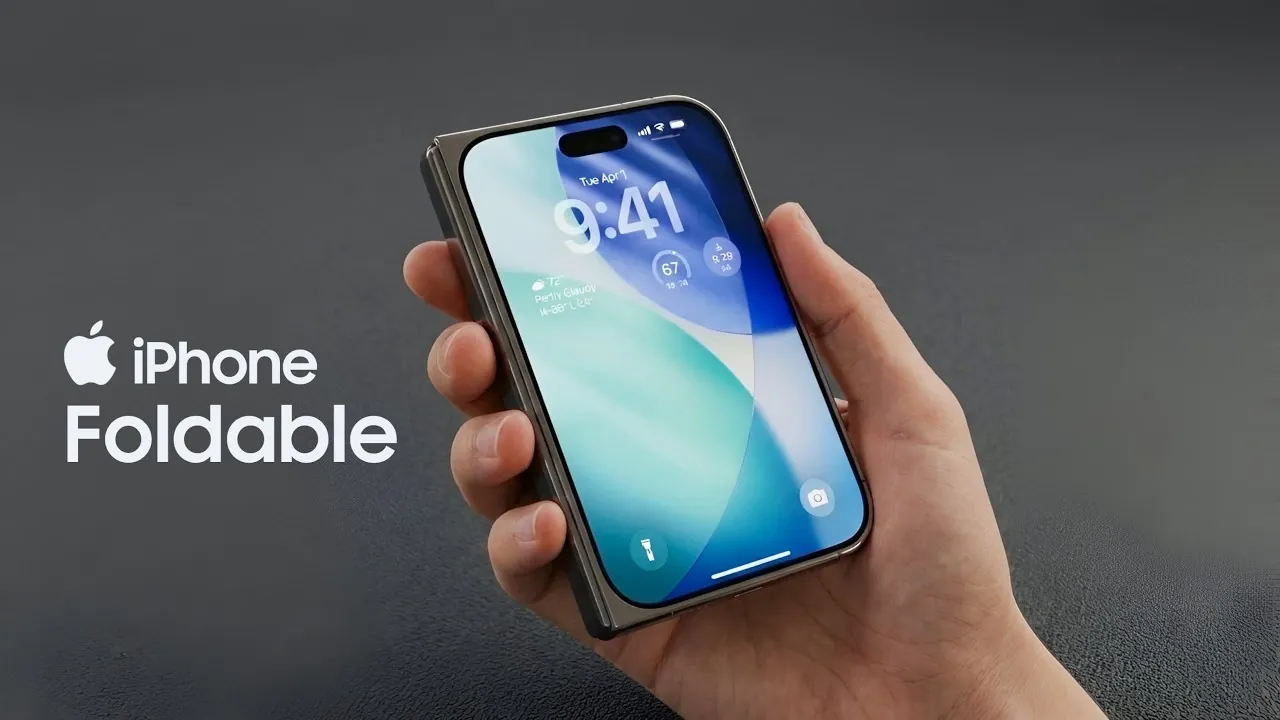
Apple is reportedly preparing to launch its first foldable smartphone, the iPhone Fold, signaling its long-awaited entry into the foldable device market. With years of observation and refinement, Apple aims to address the limitations of current foldable technology while directly challenging Samsung’s Galaxy Z Fold 8. This strategic move could set new benchmarks for display quality, battery life, software optimization, and durability, reshaping the foldable smartphone landscape.

Advancing Display Technology
The iPhone Fold is expected to introduce notable advancements in display technology. A key improvement could be the reduction of the screen crease, a common issue in foldable devices. Apple is rumored to be using advanced materials, potentially sourced from Samsung, to minimize this flaw. Additionally, the device may feature a wider 4:3 aspect ratio, offering a more natural and immersive viewing experience compared to the squarer displays of Samsung’s foldables.
The outer display is also anticipated to be larger and more functional, allowing users to perform tasks such as typing and app navigation without unfolding the device. These enhancements could make the iPhone Fold a highly practical and visually appealing option for users seeking innovation in design and usability.
Battery Life: A Competitive Edge
Battery performance is another area where Apple could excel. The iPhone Fold is rumored to feature a 5,500 mAh battery, surpassing the Galaxy Z Fold 8’s expected 5,000 mAh capacity. Combined with Apple’s renowned efficiency optimizations, this could result in significantly longer usage times and enhanced performance. For users, this means fewer interruptions and a device capable of handling demanding tasks, whether for productivity or entertainment.
Optimized iOS for Foldable Devices
Apple is reportedly reimagining iOS to suit the foldable form factor, drawing inspiration from the multitasking capabilities of the iPad. The iPhone Fold is expected to support seamless side-by-side app functionality, catering to productivity-focused users. While Samsung’s Galaxy Z Fold 8 may retain an edge with support for three simultaneous apps, Apple’s integration of its ecosystem and intuitive interface could deliver a smoother, more cohesive user experience tailored specifically to foldable devices.
Durability and Build Quality
Durability has been a significant challenge for foldable devices and Apple appears to be addressing this issue with innovative solutions. The iPhone Fold is rumored to feature a tougher protective layer made from transparent polyimide film, enhancing scratch resistance. Additionally, its hinge mechanism may incorporate liquid metal, a material known for its strength and resilience. These advancements could position the iPhone Fold as one of the most durable foldable smartphones available, alleviating concerns for potential buyers.
Camera Features: Strengths and Limitations
In terms of camera capabilities, the iPhone Fold is expected to offer a mix of strengths and limitations. While it may include wide and ultra-wide cameras, it is rumored to lack a telephoto lens, which the Galaxy Z Fold 8 is likely to feature. This omission could reduce its versatility for users who rely on zoom functionality. However, Apple’s expertise in image processing and software enhancements could still deliver exceptional photography performance, making sure high-quality results in most scenarios.
Artificial Intelligence and Future Potential
Artificial intelligence is becoming a cornerstone of modern smartphones, and Samsung currently leads in AI-driven tools and automation. While Apple has made progress in this area, it is still catching up. The iPhone Fold may include some AI-powered features, but it remains unclear whether they will match the sophistication of Samsung’s offerings. This represents a critical area for Apple to focus on in future iterations of its foldable devices, as AI continues to shape the smartphone experience.
Pricing and Market Strategy
Both the iPhone Fold and Galaxy Z Fold 8 are expected to be priced around $2,000, targeting the ultra-premium segment of the market. Apple’s strategy of entering the foldable market later allows it to deliver a more refined first-generation product, using lessons learned from competitors. However, Samsung’s years of experience and iterative improvements provide it with a strong foundation. For consumers, this competition could drive innovation and result in better products across the foldable smartphone category.
Shaping the Future of Foldable Smartphones
The rivalry between Apple and Samsung in the foldable smartphone market is set to intensify. Apple’s approach of waiting and refining contrasts with Samsung’s established expertise and innovation. The iPhone Fold’s success will depend on its ability to address current limitations in foldable technology while offering a compelling alternative to Samsung’s Galaxy Z Fold 8.
As these two tech giants compete, the future of foldable smartphones will likely be defined by their innovations and strategies. For consumers, this means more choices and potentially new advancements in mobile technology. The iPhone Fold represents a bold step forward for Apple, with the potential to reshape the competitive landscape and push the boundaries of what foldable devices can achieve.
Below are more guides on the Foldable iPhone from our extensive range of articles.
- Apple’s Foldable iPhone: Features, Design and Release Date
- Apple Foldable iPhone: Design, Features and Pricing Revealed
- iPhone Fold Design and Features: What Makes It a Fantastic option
- Apple’s iPhone Fold: Everything We Know So Far
- iPhone Fold Rumors: What to Expect from Apple’s First Foldable
Source & Image Credit: Demon’s Tech
Disclosure: Some of our articles include affiliate links. If you buy something through one of these links, Geeky Gadgets may earn an affiliate commission. Learn about our Disclosure Policy.
