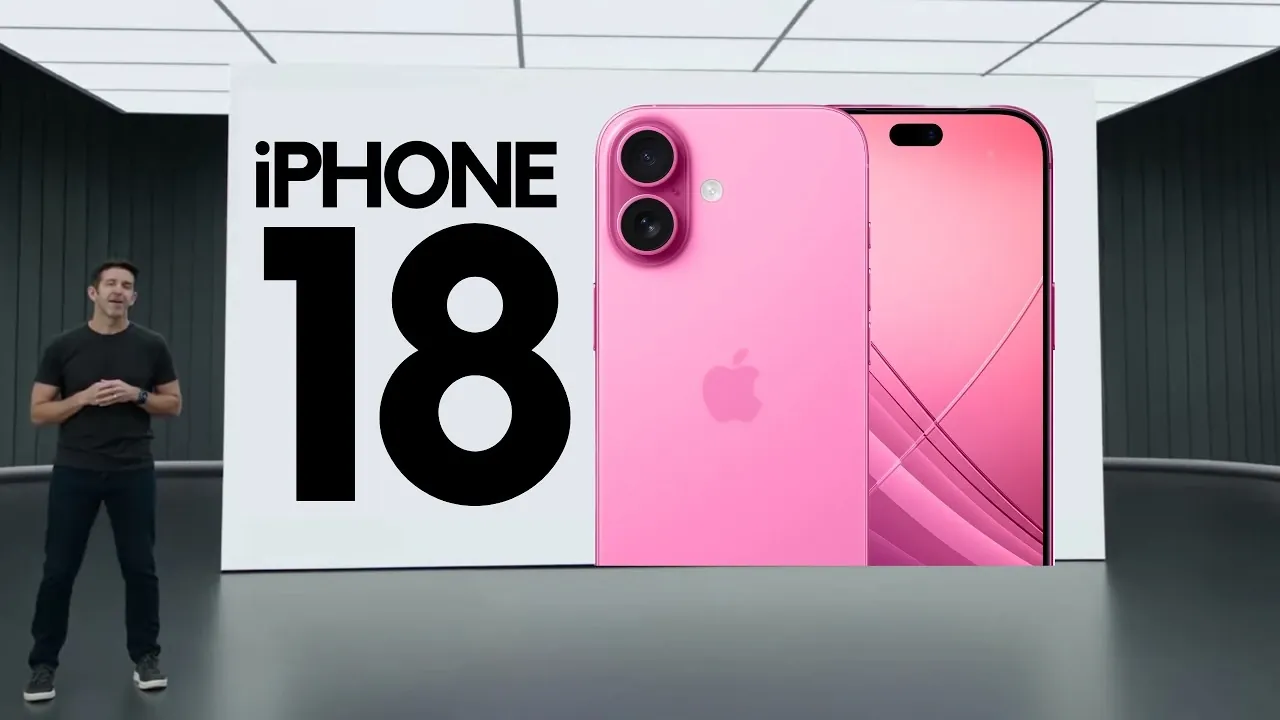
Apple’s highly anticipated iPhone 18 is rumored to introduce a series of cost-cutting measures designed to address rising production expenses. While these adjustments aim to maintain the device’s price point, they may also lead to trade-offs in quality and performance. This raises critical questions for consumers: will the iPhone 18 uphold Apple’s reputation for delivering innovation and value, or will these compromises diminish its appeal? A closer examination of the rumored changes sheds light on their potential impact. The video below from SaranByrte gives us more details on what Apple may have planned for the iPhone 18

What Are the Cost-Cutting Measures?
To manage escalating production costs, Apple is reportedly making strategic adjustments to the iPhone 18’s design and internal components. These measures are expected to focus on several key areas:
- Display technology
- Chipset performance
- Memory and storage configurations
The primary goal is to safeguard profit margins without significantly increasing retail prices. However, these changes may result in a less compelling upgrade for users of recent iPhone models, particularly those who prioritize innovative features.
Display Changes: Subtle but Noticeable?
One of the most discussed adjustments involves the iPhone 18’s display technology. While Apple is unlikely to revert to outdated standards like 60 Hz refresh rates, reports suggest potential reductions in:
- Brightness levels
- Panel efficiency
- Color calibration
These changes could subtly affect the visual experience, particularly for users accustomed to the high-quality displays of recent iPhones. For the average consumer, however, the differences may be negligible, as Apple is expected to maintain a baseline standard of quality that aligns with its brand image.
Chipset Performance: A Binned A20 Chip
The iPhone 18 is rumored to feature a binned version of the A20 chip, which may include fewer GPU cores compared to its full-powered counterpart. While this adjustment could result in slightly reduced performance, it is unlikely to impact everyday tasks for most users. Apple’s processors are renowned for their efficiency, even in scaled-down versions. However, power users who rely on demanding applications, such as video editing or gaming, may notice a performance gap.
Memory and Storage: Balancing Upgrades and Trade-Offs
Speculation suggests that the iPhone 18 could see an increase in RAM to 12 GB, likely to support advanced AI-driven features. However, this potential upgrade may be offset by compromises in storage technology, such as:
- Slower storage speeds
- Reduced base storage capacity
These adjustments could affect multitasking and responsiveness, particularly for users who prioritize performance in data-intensive applications. While the additional RAM may enhance certain functionalities, the trade-offs in storage could limit the overall user experience.
AI Features: Incremental Improvements
Artificial intelligence is expected to play a more prominent role in the iPhone 18, with enhancements in areas such as machine learning and computational photography. These features could improve tasks like image processing, voice recognition, and personalized recommendations. However, the advancements may feel incremental rather than fantastic, especially for users already familiar with the capabilities of the iPhone 17. This could make the iPhone 18 less appealing as a significant upgrade.
Lineup Strategy: Blurring the Lines?
Apple’s cost-cutting measures may also influence its product lineup strategy, potentially narrowing the gap between the base iPhone 18 and the lower-tier iPhone 18e. While this approach could streamline production and reduce costs, it risks creating confusion among consumers. If the differences between models become less distinct, buyers may question the value of opting for higher-priced versions. Apple will need to carefully balance features and pricing to ensure clear product differentiation and maintain consumer trust.
What This Means for Consumers
For potential buyers, the iPhone 18’s limited upgrades may shift attention to older models like the iPhone 17, which could offer a more cost-effective alternative. This trend could impact Apple’s sales strategy, as consumers weigh the benefits of incremental improvements against the value of previous-generation devices. Additionally, the emphasis on cost management over innovation may influence how Apple is perceived in a competitive market increasingly driven by technological advancements.
The iPhone 18 represents a calculated effort by Apple to navigate rising production costs while maintaining its pricing structure. By implementing subtle downgrades and focusing on incremental improvements, the company aims to balance profitability with consumer expectations. However, the success of this approach will depend on whether Apple can preserve the iPhone’s reputation for quality and innovation. As more details emerge, the iPhone 18’s reception will ultimately hinge on how well these compromises align with the needs of its user base.
Source & Image Credit: SaranByte
Disclosure: Some of our articles include affiliate links. If you buy something through one of these links, Geeky Gadgets may earn an affiliate commission. Learn about our Disclosure Policy.
