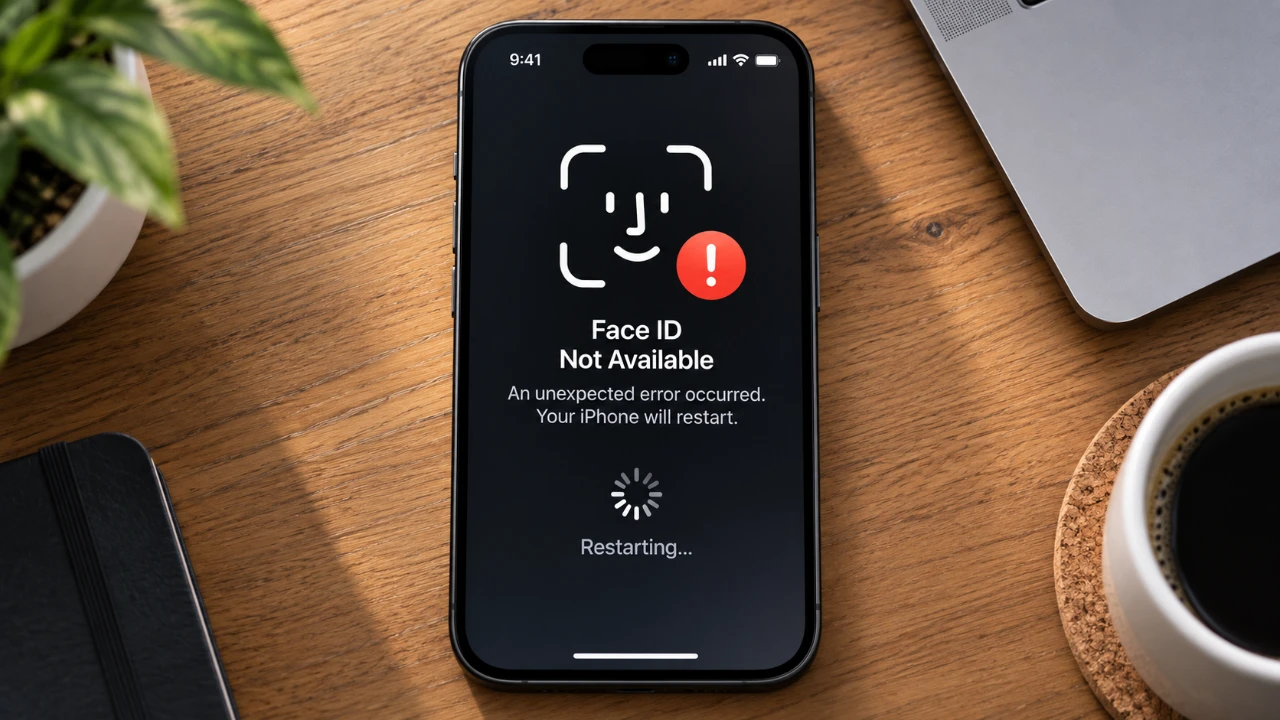
The iPhone 18 Pro, Apple’s latest flagship device, has some issues with its Face ID functionality. Once celebrated as a hallmark of secure and seamless authentication, Face ID on this model has been plagued by slower performance, inconsistent recognition, and even unexpected device reboots. These problems have left users questioning the reliability of a feature that has been central to Apple’s security ecosystem since its debut with the iPhone X.
The iPhone 18 Pro’s Face ID issues are particularly concerning because they affect a core feature that users rely on daily. The frustration caused by these problems has sparked debates about whether Apple’s latest design and software changes have compromised the functionality of one of its most trusted technologies. The video below from SaranByte gives us more details about the Face ID issue on the iPhone 18 Pro.

How Face ID Issues Are Affecting Your Experience
If you own the iPhone 18 Pro, you may have noticed that unlocking your device with Face ID feels noticeably slower compared to previous models. Beyond the delay, many users are encountering frequent authentication failures, especially when attempting to access apps or authorize secure payments. In some instances, the device displays a “Face ID not available” error, temporarily disabling the feature altogether. Even more disruptive, some users report that their devices reboot unexpectedly during Face ID authentication attempts.
These issues go beyond mere inconvenience. They disrupt the seamless experience Apple users have come to expect and force reliance on passcodes, a less secure and more cumbersome alternative. For tasks like authorizing payments or accessing sensitive apps, this shift undermines both convenience and security, leaving users frustrated and concerned about the long-term reliability of their devices.
What’s Causing Face ID to Fail?
Several factors appear to be contributing to the Face ID problems on the iPhone 18 Pro. A significant change in this model is the repositioning of the infrared camera to accommodate the redesigned, smaller dynamic island. While this design adjustment enhances the phone’s aesthetics, it may have introduced hardware calibration challenges, potentially affecting the accuracy and speed of facial recognition.
Another contributing factor is Apple’s integration of new facial image data with infrared sensor data. This advanced integration, while promising in theory, may be straining the system if the software isn’t fully optimized to handle the increased complexity. The result is inconsistent performance that undermines the reliability of Face ID.
The iOS 27 software, which powers the iPhone 18 Pro, is also under scrutiny. Early adopters have reported bugs that interfere with Face ID functionality, suggesting that software inefficiencies are exacerbating the problem. Apple has a history of addressing such issues through updates, but the current state of Face ID raises questions about whether the root cause lies in hardware design, software execution, or a combination of both.
Why This Matters to You
Face ID is more than just a convenience; it’s an integral part of how you interact with your iPhone 18 Pro. From unlocking your device to authorizing payments and accessing sensitive apps, its reliability is critical to your daily experience. The current instability disrupts these processes, making routine tasks more frustrating and less secure. Frequent failures force you to rely on passcodes, which are not only less convenient but also more vulnerable to unauthorized access.
These issues have broader implications for Apple’s reputation and user trust. If the problems are hardware-related, they may require a more permanent fix, such as a hardware revision in future models. On the other hand, if the issues are software-driven, updates could provide a quicker resolution. Either way, the uncertainty surrounding Face ID’s reliability has left many users questioning whether the iPhone 18 Pro lives up to its premium status.
Other Concerns Beyond Face ID
While Face ID has been the focal point of user complaints, it’s not the only issue affecting the iPhone 18 Pro. The device’s aluminum casing, though lightweight and durable, remains prone to scratches, a recurring problem seen in previous models like the iPhone 17 Pro. For users who prioritize the aesthetic longevity of their devices, this adds another layer of frustration.
Additionally, some users have reported overheating issues during prolonged use, particularly when running resource-intensive apps or games. These concerns, combined with the Face ID problems, paint a picture of a device that, while innovative in many respects, struggles to meet the high expectations set by its predecessors.
What’s Next: Apple’s Response and Your Options
Apple is expected to address the Face ID issues in upcoming iOS 27 updates, focusing on optimizing the software to improve performance and reliability. However, if the problems stem from hardware changes, such as the repositioning of the infrared camera, a complete fix may not be possible until future hardware revisions.
In the meantime, there are steps you can take to mitigate the impact of these issues:
- Ensure your device is running the latest iOS updates, as Apple frequently releases patches to address performance problems.
- Recalibrate Face ID by resetting it in your device settings. This may improve recognition accuracy in some cases.
- Use a high-quality protective case to safeguard the aluminum casing from scratches and maintain the device’s appearance.
- Rely on passcodes as a temporary alternative for secure access, though less convenient, until Face ID reliability improves.
While these measures won’t fully resolve the underlying issues, they can help you navigate the challenges and maintain a smoother experience with your device.
The Bigger Picture
The iPhone 18 Pro’s Face ID functionality, once a benchmark for secure and seamless authentication, is currently facing significant challenges. Slower performance, frequent authentication failures and unexpected reboots have undermined user confidence in this key feature. While software updates may alleviate some of these issues, the underlying causes, whether rooted in hardware design or software inefficiencies, remain a concern.
As an iPhone 18 Pro user, staying informed about Apple’s updates and taking proactive steps to protect your device can help you navigate these challenges. While awaiting a more permanent solution, these measures can ensure a more reliable and enjoyable experience with your device. The ongoing issues highlight the importance of balancing innovation with reliability, a challenge Apple must address to maintain its reputation for excellence.
Unlock more potential in iPhone 18 Pro by reading previous articles we have written.
- Early iPhone 18 Reports Point to Major Unconfirmed Shifts
- iPhone 18 Pro Max Leaks: 10 Massive Upgrades Coming to Camera, Screen, and Battery
- Early iPhone 18 Pro Max Leak Reveals the Upgrade We’ve Been Waiting For
- Just Leaked: 10 Huge Upgrades for the iPhone 18 Pro Max
- What Apple Just Confirmed About the iPhone 18 Pro and Ultra
- Early First Look at the Expected iPhone 18 Pro Design
Source: SaranByte
Disclosure: Some of our articles include affiliate links. If you buy something through one of these links, Geeky Gadgets may earn an affiliate commission. Learn about our Disclosure Policy.
