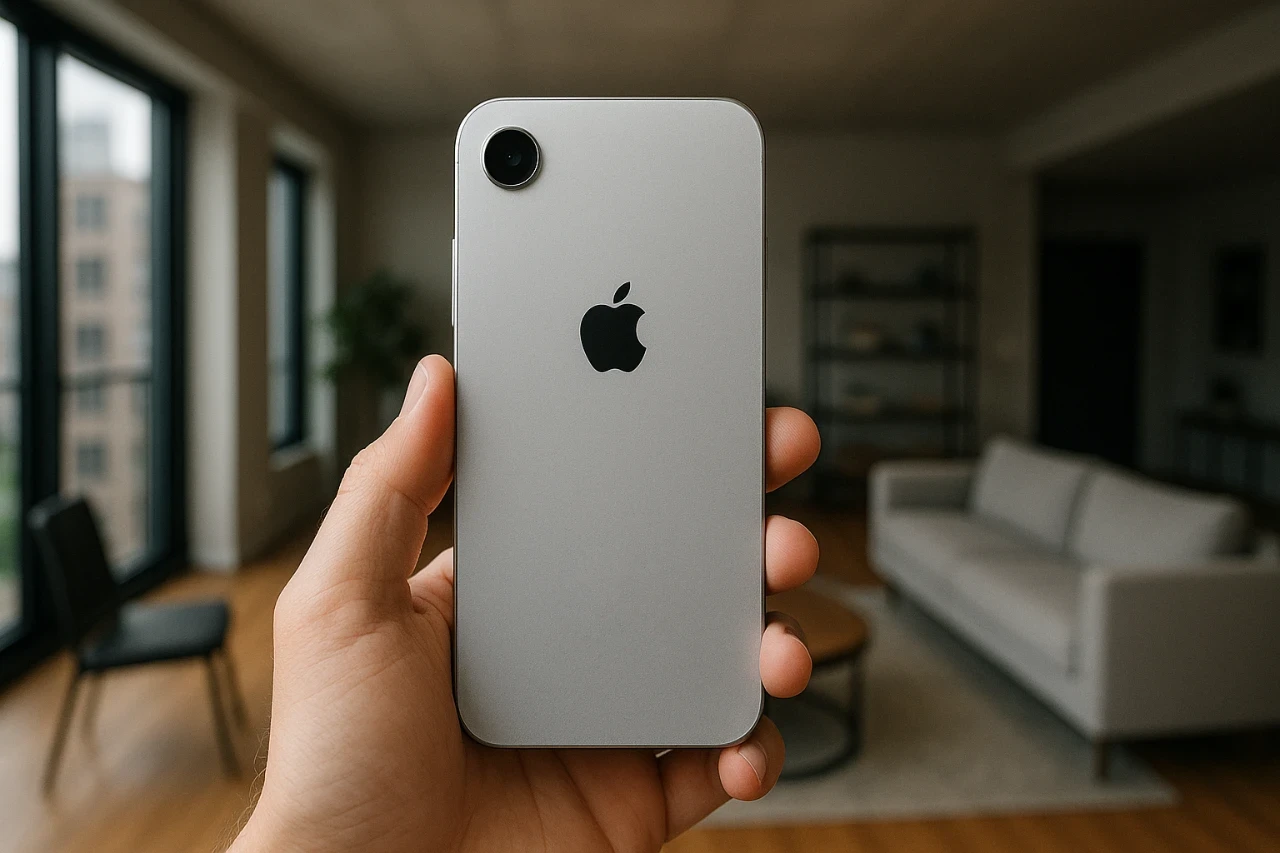
With the dust barely settled on the massive iPhone 17 launch this past September, the Apple rumor mill has already begun to churn out details about the company’s next move. If the latest supply chain reports from Korea are to be believed, Apple is preparing to unleash a new contender in the budget smartphone arena in early 2026: the iPhone 17e.
Designed to succeed the iPhone 16e—which made waves earlier this year as a return to form for Apple’s entry-level lineup—the 17e appears to be a study in contradictions. It is a device that reportedly marries Apple’s most futuristic silicon with a design language that many tech enthusiasts considered “retired” years ago. It is, in essence, a “Frankenstein” phone: part cutting-edge flagship, part museum piece.
Based on the latest credible leaks from MacRumors, GSMArena, and supply chain leaks, here is a detailed look at what we can expect from Apple’s next budget powerhouse.
The Display: A Blast from the Past
The most contentious aspect of the iPhone 17e is undoubtedly its face. For months, hopeful whispers suggested that Apple would finally bring the Dynamic Island—the pill-shaped cutout introduced on the iPhone 14 Pro—to its entire lineup, unifying the look of every new iPhone.
However, a December 3 report has poured cold water on those dreams. To maintain an aggressive price point (rumored to be around $599), Apple is reportedly planning to reuse the 6.1-inch LTPS OLED panels originally manufactured for the iPhone 14 and the recent iPhone 16e.
The implications of this cost-saving measure are two-fold. First, the classic “Notch” is likely here to stay for one more generation. While the rest of the iPhone family moved on to the interactive Dynamic Island years ago, the 17e will retain the static black cutout at the top of the screen. Why? According to analysts, retrofitting the older display panels with the Dynamic Island would require a complete re-engineering of the TrueDepth camera system—an expense Apple is unwilling to incur for a budget model.
Second, the display technology will remain 60Hz. In a world where even budget Android competitors offer 120Hz screens, the lack of Apple’s ProMotion technology will be a sticking point for enthusiasts. However, there is a silver lining: leaks indicate that while the screen tech is old, the chassis is new. The iPhone 17e is expected to feature significantly slimmer bezels, reducing the black borders around the screen to provide a more immersive, modern feel than its predecessors.
Performance: The Wolf in Sheep’s Clothing
If the exterior of the iPhone 17e feels like a compromise, the interior is anything but. This is where the “Frankenstein” analogy truly shines. Reports confirm that the device will be powered by the A19 chip—the exact same processor driving the standard iPhone 17.
This is a massive differentiator. By equipping a $599 phone with the world’s fastest mobile silicon, Apple is ensuring that the 17e will outperform Android flagships costing twice as much. This raw power isn’t just for bragging rights; it’s a necessity for Apple’s new software strategy.
Crucially, the device is tipped to ship with 8GB of RAM as the standard configuration. This is the magic number required to run Apple Intelligence, the company’s suite of on-device AI tools. Unlike previous budget iPhones that were often left behind on software features, the 17e is being built specifically to handle generative writing tools, the new “super-charged” Siri, and AI-driven notification summaries. For many consumers, this will be the cheapest ticket into the AI era.
The Camera Strategy: Quality Over Quantity
Apple’s approach to the ‘e’ series photography has always been minimalist, and the 17e appears to be doubling down on that philosophy—with a twist.
The rear of the phone is expected to feature a single 48MP Fusion camera. While the lack of an ultrawide or telephoto lens may seem limiting on paper, Apple’s software wizardry bridges the gap. The 48MP sensor allows for a “lossless” 2x crop, effectively giving users two optical-quality focal lengths (1x and 2x) from a single lens. For the average user who mostly snaps portraits and documents, this covers the vast majority of use cases.
The real surprise, however, is on the front. In a move that has baffled some analysts, the iPhone 17e is rumored to inherit the high-end 18MP selfie camera from the iPhone 17 Pro. This upgrade would bring sharper FaceTime calls, better low-light performance, and support for Center Stage. It suggests that Apple knows exactly who this phone is for: younger users, social media creators, and students who prioritize selfies over landscape photography.
The Verdict: A Calculated Compromise
As we look toward a potential Spring 2026 release, the iPhone 17e is shaping up to be one of the most interesting devices in Apple’s history.
From a purely technical standpoint, it is an oddity. It pairs a screen from 2022 with a processor from 2026. It lacks the fluid 120Hz scrolling of its rivals but crushes them in raw computing power. It has only one camera on the back, but arguably the best selfie camera on the market.
Yet, for the average consumer, these technical incongruities may not matter. If Apple can deliver a phone that runs the latest AI features, takes excellent photos, and lasts for five years—all for $599—the iPhone 17e won’t just be a “budget” phone. It will be the default recommendation for anyone who doesn’t care about refresh rates or Dynamic Islands. By recycling the past, Apple might just conquer the future of the mid-range market. Now, we wait for Spring.
Dive deeper into iPhone 17e with other articles and guides we have written below.
- iPhone 17e Specs, Camera, and More Leaked
- Everything You Need to Know About Apple’s iPhone 17e
- Apple iPhone 17e: Budget-Friendly Smartphone with Big Upgrades
- iPhone 17e Leaks and Rumors: Everything You Need to Know
- iPhone 17e Leaks: Features, Price, and Release Date Revealed
Source MacRumors
Disclosure: Some of our articles include affiliate links. If you buy something through one of these links, Geeky Gadgets may earn an affiliate commission. Learn about our Disclosure Policy.
