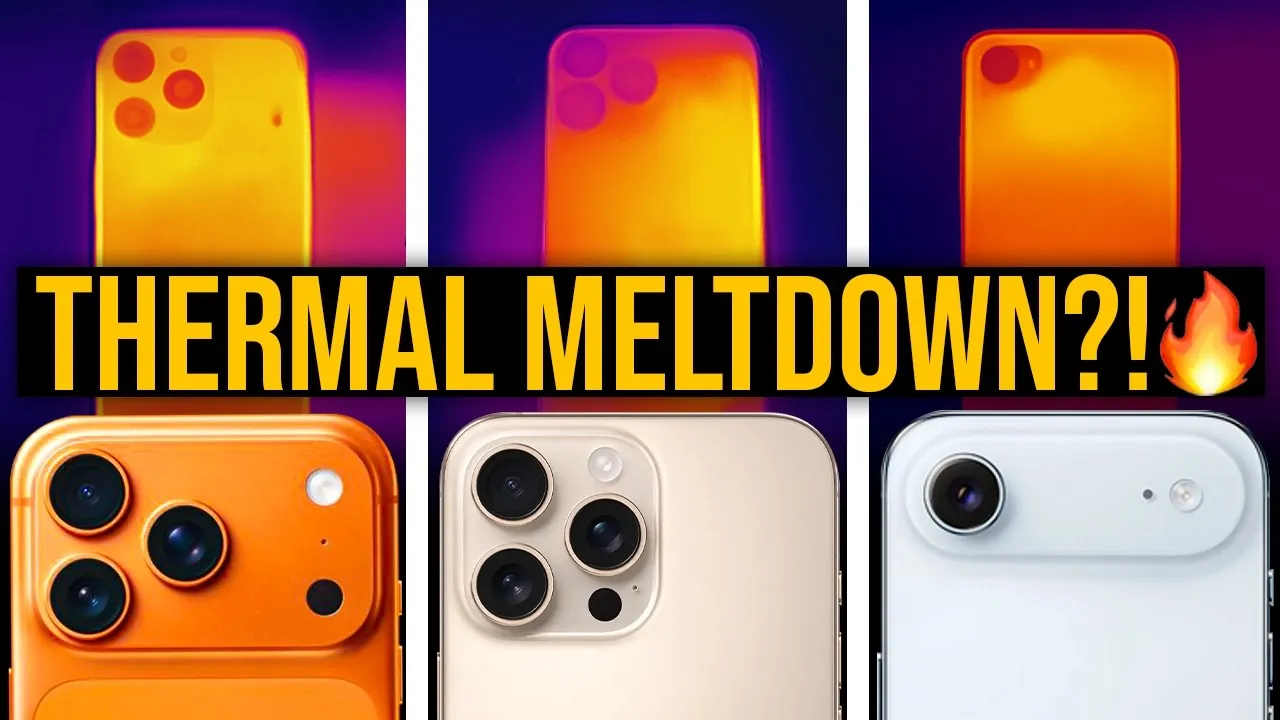
The iPhone 17 Pro Max introduces a vapor chamber system designed to enhance heat dispersion, distinguishing it from the iPhone Air and iPhone 16 Pro Max. The video below from Matt Talks Tech examines how these devices manage thermal performance during demanding tasks, such as 3D benchmarking and 4K video recording, while exploring the impact of material and design choices on temperature regulation.

Vapor Chamber System: A New Standard in Heat Dispersion
The iPhone 17 Pro Max debuts a vapor chamber system that significantly improves heat redistribution across the device. This system addresses a common issue in smartphones: the concentration of heat in specific areas. For example, the iPhone 16 Pro Max often experiences localized heat buildup near the logic board during resource-intensive tasks, leading to uneven temperature distribution. By contrast, the vapor chamber in the iPhone 17 Pro Max spreads heat across a broader surface area, reducing hotspots and enhancing thermal efficiency.
While the vapor chamber system improves heat dispersion, it does not reduce the total amount of heat generated by the device. This means that although specific areas of the phone may feel cooler to the touch, the overall temperature remains comparable to its predecessor. This improvement is particularly beneficial during prolonged use, as it minimizes discomfort caused by overheating in critical areas.
Material Choices: Aluminum vs. Titanium
The iPhone 17 Pro Max replaces the titanium frame of the iPhone 16 Pro Max with aluminum, a material renowned for its superior thermal conductivity. Aluminum assists more effective heat dissipation, working in tandem with the vapor chamber system to create a more balanced temperature profile across the device. This combination ensures that heat is distributed more evenly, reducing the likelihood of overheating in specific areas.
In contrast, the iPhone Air retains a design that prioritizes compactness over thermal management. Its internal layout results in localized heat concentration, particularly around the camera plateau. This design choice, while practical for maintaining a slim profile, limits the device’s ability to manage heat effectively during demanding tasks.
Device Design and Heat Distribution
The internal design of each device plays a pivotal role in its thermal performance. The iPhone Air, for instance, concentrates heat near the camera module, leaving the lower portion of the phone relatively cool. This design enhances user comfort, as the areas most frequently in contact with your hand remain cooler during prolonged use. However, this approach sacrifices overall thermal efficiency, as heat is not evenly distributed across the device.
The iPhone 17 Pro Max, on the other hand, benefits from its vapor chamber system, which promotes even heat distribution. This minimizes the risk of overheating in critical areas, such as the logic board or camera module, which are prone to high temperatures during intensive tasks. By maintaining a more consistent temperature across the device, the iPhone 17 Pro Max ensures reliable performance even under heavy workloads.
Screen Brightness and Heat Generation
Screen brightness is another factor that significantly influences heat generation. Both the iPhone 17 Pro Max and iPhone Air feature displays capable of reaching up to 3000 nits, a substantial improvement over the iPhone 16 Pro Max. This increased brightness enhances visibility in bright environments, such as direct sunlight, but also contributes to higher front screen temperatures during extended use.
Despite the potential for increased heat generation, the iPhone 17 Pro Max maintains lower back temperatures compared to the iPhone 16 Pro Max and iPhone Air. This is largely due to its vapor chamber system, which effectively manages the thermal impact of high-performance displays. The iPhone Air, lacking advanced heat dispersion technology, struggles to regulate temperatures as effectively, particularly during prolonged periods of high brightness.
Thermal Performance During Prolonged Use
Thermal performance during extended use is a critical consideration for smartphone users. The iPhone 17 Pro Max excels in redistributing heat, reducing the likelihood of overheating in specific areas. This improvement is particularly noticeable during tasks such as 4K video recording or intensive gaming, where sustained performance is essential. However, it is important to note that the total heat generated by the device remains similar to that of the iPhone 16 Pro Max, indicating that the improvements are incremental rather than new.
Meanwhile, the iPhone Air, despite lacking a vapor chamber system, offers a design that prioritizes user comfort. By concentrating heat around the camera plateau and keeping the lower portion of the device cool, the iPhone Air ensures a more comfortable experience during prolonged use. This makes it a practical choice for users who value comfort over peak thermal performance.
Key Takeaways on Heat Management
The iPhone 17 Pro Max introduces meaningful advancements in heat management through its vapor chamber system and aluminum construction. These features result in more even heat dispersion and lower back temperatures compared to the iPhone 16 Pro Max. However, the overall thermal performance remains similar, reflecting incremental improvements rather than a complete overhaul.
The iPhone Air, on the other hand, offers a different approach to heat management. Its design concentrates heat around the camera plateau while keeping the lower portion of the device cool, prioritizing user comfort during extended use. While it lacks the advanced heat dispersion technology of the iPhone 17 Pro Max, it remains a viable option for those who prioritize comfort and compact design.
Ultimately, the choice between these devices will depend on your specific needs and priorities. If you value peak thermal performance and advanced heat management, the iPhone 17 Pro Max stands out as the superior option. However, if comfort and design take precedence, the iPhone Air offers a compelling alternative. Both devices showcase unique approaches to heat management, catering to different user preferences and use cases.
Here are more guides from our previous articles and guides related to iPhone 17 Pro Max vapor chamber system that you may find helpful.
- iPhone 17 Pro Max Features: 12 Key Updates You’ll Love
- iPhone 17 Pro max Features, Specs, and Pricing Explained
- iPhone 17 Pro Max: Everything You Need to Know
- iPhone 17 Pro Launch: Steel Battery, Larger Screens, and More
- iPhone 17 Pro, Pro Max and Air: Key Upgrades Explained
Source & Image Credit: Matt Talks Tech
Disclosure: Some of our articles include affiliate links. If you buy something through one of these links, Geeky Gadgets may earn an affiliate commission. Learn about our Disclosure Policy.
