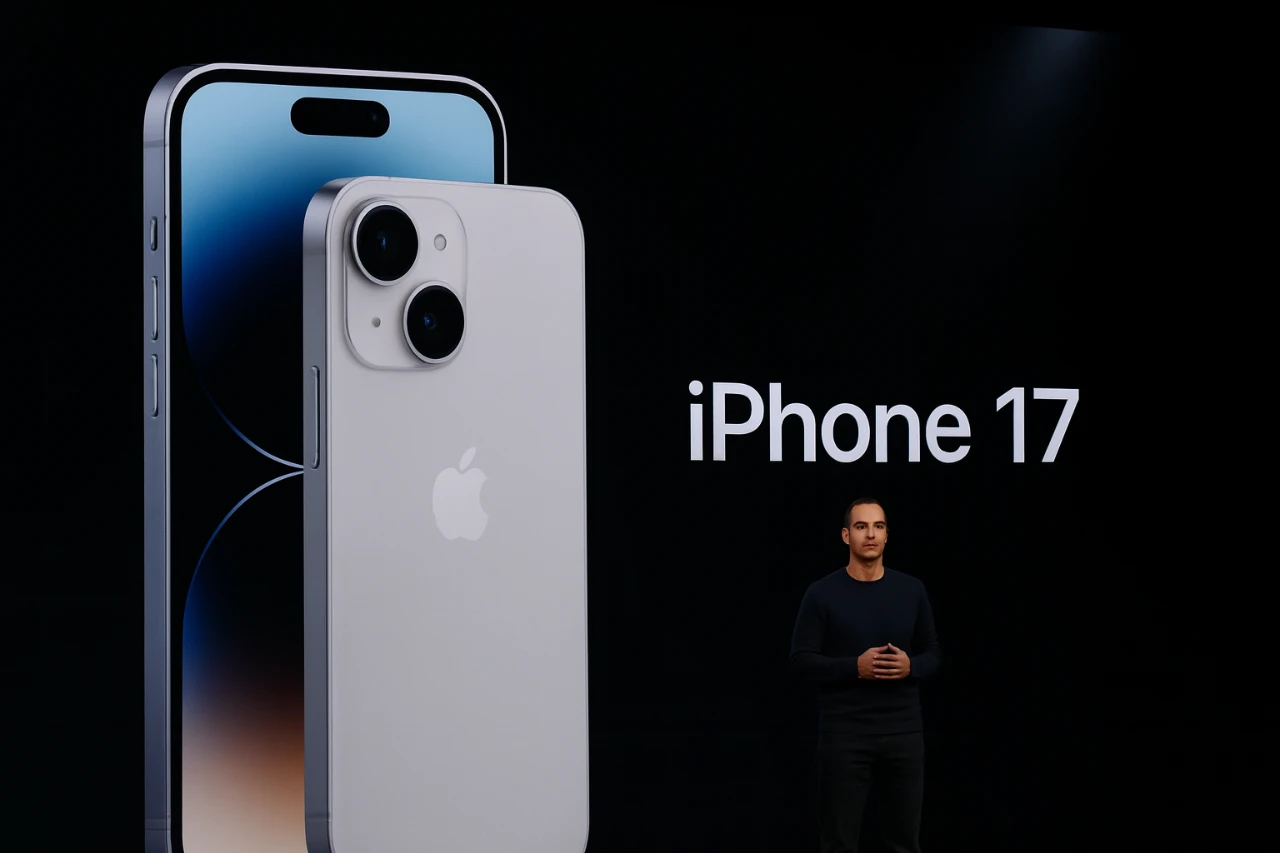
Apple’s upcoming launch of the iPhone 17 lineup signals a notable shift in its pricing strategy. While the base model retains its $799 price tag, other models, including the new iPhone 17 Air, Pro, and Pro Max, will see price increases ranging from $50 to $100. These adjustments, the first in several years, coincide with significant upgrades in design, features, and storage capacity. This development not only impacts consumers but also reflects broader trends in the smartphone market. Here’s a closer look at what this means for you in a new video from 9to5Mac.

A History of Stable Pricing
Since the introduction of the iPhone X in 2017, Apple has maintained a consistent starting price of $999 for its Pro models. This pricing stability has persisted despite inflation, rising production costs, and evolving market conditions, setting a standard for premium smartphones. However, Apple’s commitment to innovation and the increasing costs of advanced materials and components have necessitated a reevaluation of its pricing structure. The iPhone 17 lineup represents a strategic shift, balancing premium features with a higher price point to reflect the value of its advancements.
Breaking Down the iPhone 17 Lineup
The iPhone 17 series introduces a mix of familiar and new models, each designed to cater to specific user needs and preferences. Below is a detailed breakdown of the lineup:
- Base iPhone 17: Priced at $799, this model offers several upgrades, including ProMotion technology for smoother scrolling, a larger 6.3-inch display, an improved front-facing camera, and the powerful A19 chip for enhanced performance.
- iPhone 17 Air: A brand-new addition to the lineup, the Air starts at $949. It features an ultra-slim 5.5 mm design, premium materials, and a single camera, making it an appealing choice for users who prioritize portability and aesthetics.
- iPhone 17 Pro and Pro Max: These models see price increases of $50, starting at $1,050 for the Pro and $1,250 for the Pro Max. Key upgrades include 256GB of base storage (up from 128GB), advanced camera systems with improved low-light performance, and premium materials such as titanium for added durability.
This tiered approach ensures that there is an iPhone 17 model for every type of user, from those seeking affordability to those desiring innovative technology.
Why Are Prices Increasing?
Apple’s decision to raise prices is driven by several factors. The iPhone 17 lineup introduces meaningful upgrades in design, materials, and functionality. For instance, the Pro models now offer double the base storage, advanced camera systems, and improved durability, while the iPhone 17 Air caters to a niche market of users seeking a compact yet high-performance device. These enhancements come with increased production costs, which Apple has chosen to reflect in its pricing.
Additionally, Apple’s competitors have already adjusted their pricing structures to account for similar advancements. By aligning its prices with the value of its innovations, Apple remains competitive in the premium smartphone market. The price hike also underscores the company’s strategy of differentiating its models to appeal to a wide range of consumers.
What This Means for You
For consumers, the price increases may initially seem daunting, but there are ways to mitigate the impact. Carrier subsidies, trade-in programs, and installment plans can make upgrading to the iPhone 17 lineup more accessible. For instance, trading in an older iPhone model can significantly reduce the upfront cost of a new device.
However, the higher starting price of the Pro Max at $1,250 raises questions about whether the incremental upgrades justify the cost. As a consumer, it’s essential to evaluate your priorities. If you value innovative features like enhanced camera systems and increased storage, the Pro models may be worth the investment. On the other hand, the base iPhone 17 and the Air model offer a balance of affordability and functionality, catering to users with more modest needs.
Shifting Market Trends
The smartphone market is undergoing a transformation, with users upgrading their devices less frequently due to minimal year-over-year changes. This trend poses a challenge for manufacturers like Apple, which must offer compelling reasons for consumers to invest in new models. The iPhone 17 lineup addresses this challenge by introducing features such as the A19 chip for improved performance, ProMotion displays for smoother visuals, and enhanced camera systems for better photography.
Apple’s tiered pricing strategy also reflects a broader industry trend of segmenting products to cater to diverse consumer preferences. By offering distinct models with varying features and price points, Apple ensures that its devices appeal to a wide audience, from tech enthusiasts to casual users.
What’s Next?
The iPhone 17 price hike represents a calculated move by Apple to align its pricing with the value of its latest advancements. As a consumer, this shift invites you to carefully consider your needs and budget when choosing a model. Whether you’re drawn to the ultra-slim design of the iPhone 17 Air or the enhanced storage and camera capabilities of the Pro models, there’s an option tailored to your preferences.
Carrier subsidies and trade-in programs can help offset the higher costs, making it easier to upgrade without straining your finances. As the smartphone market continues to evolve, Apple’s strategic pricing and innovative features position the iPhone 17 lineup as a compelling choice for users seeking a balance of performance, design, and value.
Browse through more resources below from our in-depth content covering more areas on the iPhone 17.
- iPhone 17 Pro Max Price Leaked: Full Breakdown and Details
- iPhone 17 Price: Get Ready for a SHOCK (Here’s Why!)
- iPhone 17 Pro Max Release Date, Price, and Key Features
- Why the iPhone 17 Pro’s 256GB Storage Upgrade Matters
- iPhone 17 Pro Features: Advanced Display, A19 Chip, and More
Source & Image Credit: 9to5Mac
Disclosure: Some of our articles include affiliate links. If you buy something through one of these links, Geeky Gadgets may earn an affiliate commission. Learn about our Disclosure Policy.
