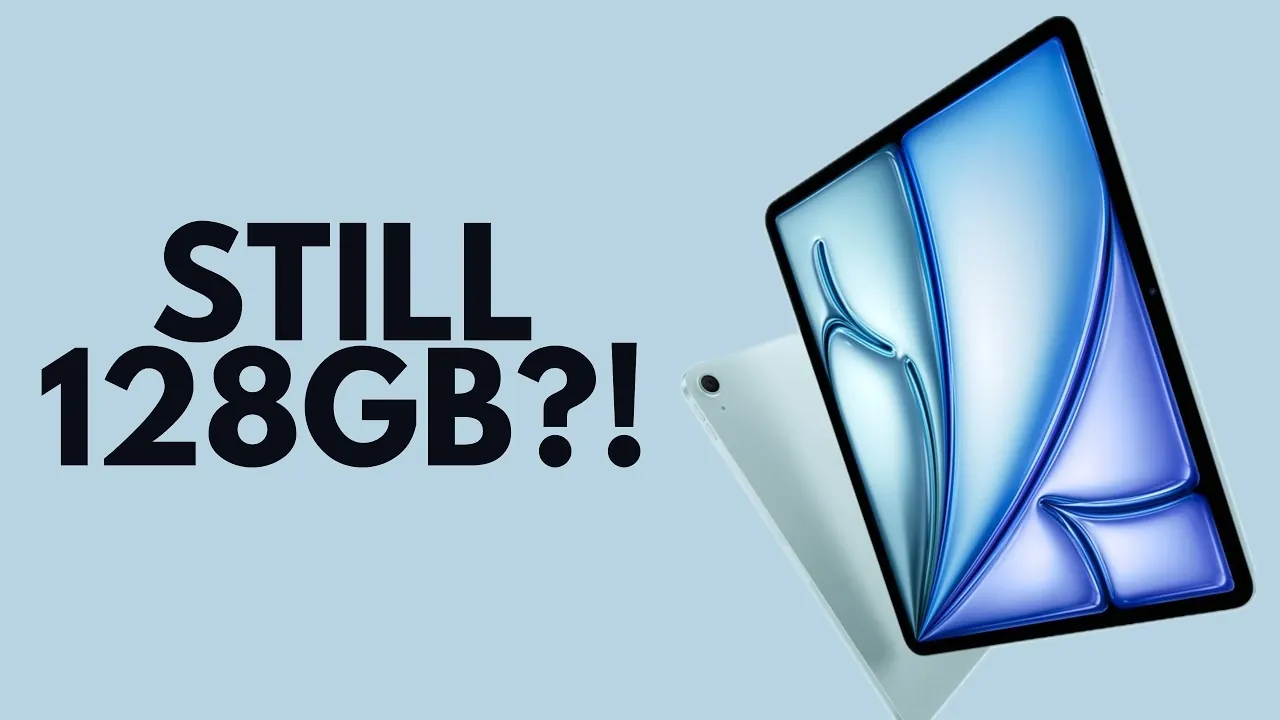
Apple has officially launched the latest version of its iPad Air, now powered by the advanced M4 chip. This update introduces notable improvements in performance and connectivity, making it a more capable device for demanding tasks. However, other aspects, such as the design, display, and base storage, remain largely unchanged. If you’re considering upgrading or purchasing your first iPad Air, here’s a detailed look at what the new model brings to the table and where it falls short.

Performance: A Notable Boost in Speed and Efficiency
The centerpiece of the iPad Air M4 is the M4 chip, which delivers a significant leap in processing power compared to its predecessor. This upgrade is particularly beneficial for users who rely on their devices for intensive workflows. Key performance enhancements include:
- Up to 30% faster multi-core CPU performance, allowing smoother handling of tasks like video editing, gaming and AI-driven applications.
- An 8-core CPU, 9-core GPU, and a 16-core Neural Engine, offering enhanced computational power and energy efficiency.
- Increased memory bandwidth from 100 GB/s to 120 GB/s, making sure faster data processing and seamless multitasking.
- Upgraded RAM from 8 GB to 12 GB, providing better support for resource-intensive applications and making sure future compatibility with evolving software demands.
These improvements make the iPad Air M4 a compelling choice for professionals, students and creatives who need a device capable of handling complex tasks with ease. Whether you’re editing high-resolution videos or running machine learning models, the M4 chip ensures a smoother and faster experience.
Connectivity: Smarter and Faster Than Before
The iPad Air M4 also introduces innovative connectivity features, making it more versatile in today’s increasingly connected environment. These upgrades enhance both wireless and cellular capabilities, making sure the device stays competitive. Key connectivity features include:
- Wi-Fi 7 support, delivering faster wireless speeds, reduced latency and improved network reliability for streaming, gaming and large file transfers.
- Bluetooth 6, offering quicker and more stable connections with peripherals like keyboards, headphones and smart devices.
- Thread support, allowing seamless integration with smart home ecosystems, making the iPad Air a hub for managing connected devices.
- A new C1X modem for cellular models, providing up to 50% faster mobile data speeds while consuming 30% less power, making it ideal for users who rely on mobile connectivity.
These advancements ensure that the iPad Air M4 is well-equipped for both professional and personal use, particularly for those who require high-speed connectivity for remote work, streaming, or managing smart home setups.
Design and Display: Sticking to the Familiar
While the internal upgrades are impressive, the design of the iPad Air M4 remains unchanged. It retains the same flat-sided aluminum chassis, dimensions and color options (blue, purple, starlight and space gray) as its predecessors. Although the design is sleek and functional, the lack of aesthetic innovation may disappoint users hoping for a refreshed look.
The display also remains the same, featuring a 10.9-inch LCD panel with 500 nits of brightness and a 60 Hz refresh rate. While this setup is adequate for most users, it falls short of the OLED or ProMotion technology found in competing devices, which offer superior contrast, color accuracy and smoother scrolling. For users who prioritize display quality, this may be a notable drawback.
Storage: Falling Short of Expectations
One of the most significant limitations of the iPad Air M4 is its base storage, which remains at 128 GB. In an era where high-resolution media, large applications and extensive file libraries are common, this capacity may feel restrictive for many users. Compounding this issue is the fact that Apple’s iPhone 17E—a similarly priced device, starts at 256 GB of storage, making the iPad Air’s offering appear outdated by comparison.
For users who require more storage, higher-capacity models are available, but they come at a premium price. This lack of a more generous base storage option may deter potential buyers, particularly those who work with large files or rely on their devices for professional tasks.
Should You Upgrade? Key Considerations
Deciding whether to upgrade to the iPad Air M4 depends on your current device and individual needs. Here are some key factors to consider:
- If you already own an iPad Air with the M2 or M3 chip, the performance improvements may not justify the cost unless you frequently use resource-intensive applications or require the latest connectivity features.
- First-time buyers may find better value in older models, such as the M2 or M3 iPad Air, which remain highly capable and are often available at discounted prices.
- For those willing to wait, rumors suggest that an OLED version of the iPad Air could launch next year, potentially addressing the current model’s shortcomings in display and storage.
Ultimately, the decision to upgrade should be based on your specific use case. If you prioritize performance and connectivity, the iPad Air M4 is a strong contender. However, if you’re seeking a more comprehensive upgrade that includes improvements in design, display and storage, this model may not fully meet your expectations.
Final Verdict: Incremental Progress, Not a Revolution
The iPad Air M4 represents a step forward in terms of speed and connectivity, making it a solid choice for users who need a tablet capable of handling demanding tasks. The M4 chip, Wi-Fi 7, and Bluetooth 6 ensure that the device is well-suited for modern workflows and entertainment needs.
However, the lack of innovation in design, display, and storage prevents the iPad Air M4 from feeling like a fantastic release. For users who already own a recent iPad Air or those seeking better value, it may be worth exploring alternative options or waiting for future updates.
Here are more guides from our previous articles and guides related to iPad Air that you may find helpful.
- M4 iPad Air Release Date, Features, and Pricing Explained
- Apple M4 iPad Air: Everything You Need to Know
- M4 iPad Air: What to Expect in Apple’s 2026 Model
- Apple M4 iPad Air Leak Reveals Key Upgrades for 2026
- Apple’s 2026 iPad Lineup: OLED Displays and More
- Apple 2026 iPad Lineup: Features, Specs, and Pricing
Source & Image Credit: SaranByte
Disclosure: Some of our articles include affiliate links. If you buy something through one of these links, Geeky Gadgets may earn an affiliate commission. Learn about our Disclosure Policy.
