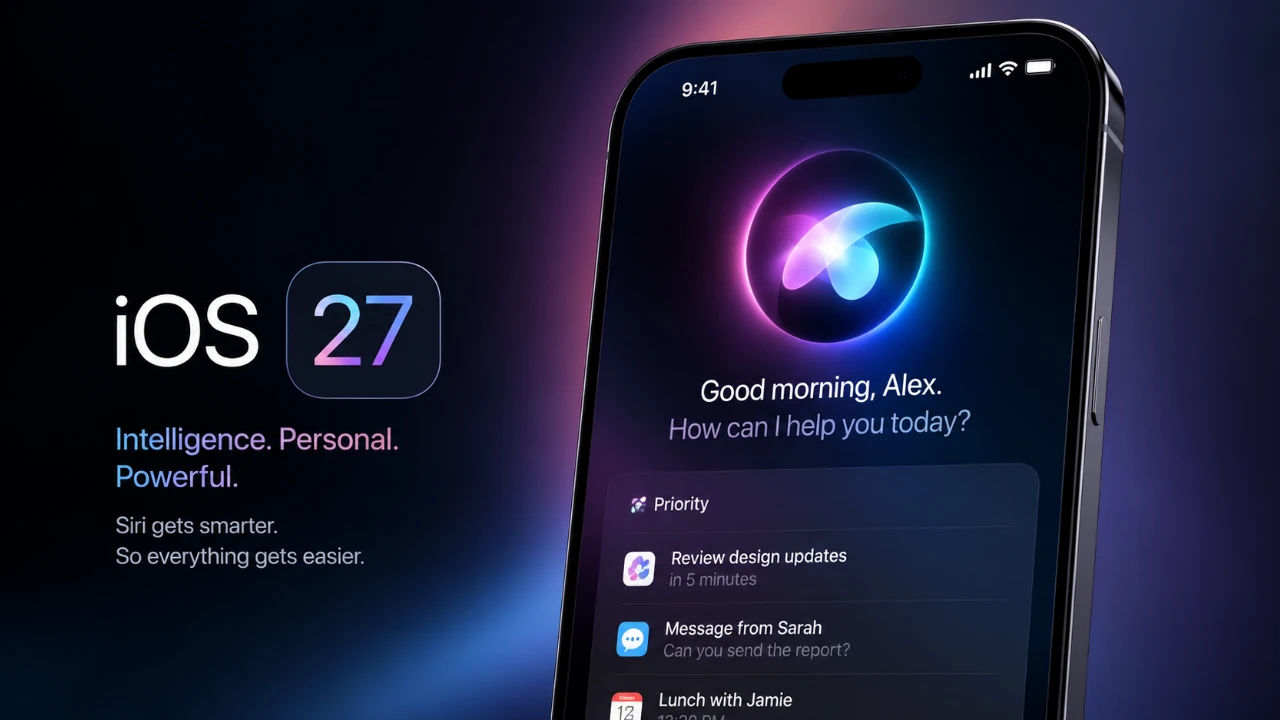
Apple is preparing to redefine its approach to artificial intelligence (AI) with the highly anticipated iOS 27 update. This release emphasizes embedding advanced AI capabilities into core apps such as Photos, Camera, Wallet and Health, aiming to enhance functionality and streamline user experiences. Instead of introducing standalone AI features, Apple is focusing on practical, system-wide integration to ensure these tools become an intuitive part of daily life. However, questions remain about the readiness and reliability of these features, especially as Apple faces intense competition from established players in the AI space. The video below from SaranByte gives us more details on iOS 27.

AI-Powered Features in the Photos App
The Photos app is set to undergo a fantastic AI-driven upgrade, offering tools designed to simplify photo editing and expand creative possibilities. These features aim to make photo enhancement more accessible while encouraging users to explore new creative avenues. Key updates include:
- Extend: AI will allow users to generate additional content beyond the original frame of an image, allowing them to creatively expand their photos and reimagine their compositions.
- Enhance: Improved auto-editing tools will optimize image quality by fine-tuning elements such as color, lighting and sharpness with greater precision.
- Reframe: AI will dynamically adjust image perspectives, particularly for spatial photos, to create more visually appealing and balanced compositions.
These features are expected to be available at no additional cost, but development challenges could delay their release. Apple’s emphasis on refinement and quality assurance reflects its commitment to delivering polished tools that meet user expectations.
Smarter Camera App with AI Integration
The Camera app will also see significant AI enhancements, introducing features designed to integrate seamlessly into everyday life. These updates aim to make the app more versatile and practical for users. Notable additions include:
- Nutrition Scanning: By scanning food labels, users can analyze calorie and nutrient information, empowering them to make more informed dietary choices.
- Contact Scanning: AI will enable the extraction of contact details from business cards or printed materials, automatically saving them to the Contacts app for convenience.
- Digital Pass Conversion: Users will be able to convert event tickets and membership cards into Wallet-compatible digital passes, simplifying organization and access.
These features highlight Apple’s strategy to embed AI into everyday tasks, enhancing usability and convenience for its users.
System-Wide AI Integration Across iOS
iOS 27 represents a broader effort to integrate AI tools across the entire operating system. Apple Intelligence will serve as a foundational framework, making sure that AI-powered features are accessible without requiring additional downloads or third-party add-ons. This system-wide approach is designed to make AI tools intuitive, practical and seamlessly integrated into the user experience. By embedding AI into the core of iOS, Apple aims to streamline workflows, improve efficiency and enhance the overall functionality of its devices.
Siri Gets Smarter with Dedicated Modes
Siri, Apple’s voice assistant, will receive significant upgrades in iOS 27, including the introduction of dedicated modes tailored to specific tasks or environments. These modes will allow users to customize Siri’s functionality, making it more responsive and capable of handling specialized requests. This enhancement aligns with Apple’s vision of creating a cohesive AI ecosystem that adapts to individual user needs. By improving Siri’s capabilities, Apple aims to position it as a more reliable and versatile assistant in an increasingly competitive AI landscape.
Focus on Stability and Reliability
In addition to introducing new features, iOS 27 will address stability issues and bugs that affected the previous iOS 26 release. Apple is prioritizing a smoother and more reliable user experience, making sure consistent performance across all devices. This focus on reliability is critical for maintaining user trust and satisfaction, particularly as the company integrates more advanced AI capabilities into its ecosystem.
Challenges in a Competitive AI Landscape
Despite these advancements, Apple faces significant challenges in the AI domain. Competitors like Google and Microsoft have already established robust AI ecosystems, leaving Apple in a position where it must differentiate itself and catch up. Concerns about the readiness and reliability of iOS 27’s AI features could impact user adoption if these tools fail to meet expectations at launch. Apple’s ability to deliver polished, user-friendly AI tools will be crucial in maintaining its competitive edge in this rapidly evolving market.
Release Timeline and Strategic Focus
iOS 27 is expected to make its debut at the Worldwide Developers Conference (WWDC) on June 8, 2026. Apple’s strategy for this release emphasizes refinement and seamless integration over the introduction of an abundance of new features. The company’s success will depend on its ability to deliver reliable, intuitive AI tools that resonate with its audience and effectively compete in the dynamic AI landscape. By focusing on quality and user experience, Apple aims to solidify its position as a leader in innovation while addressing the growing demand for practical AI solutions.
Source: SaranByte
Disclosure: Some of our articles include affiliate links. If you buy something through one of these links, Geeky Gadgets may earn an affiliate commission. Learn about our Disclosure Policy.
