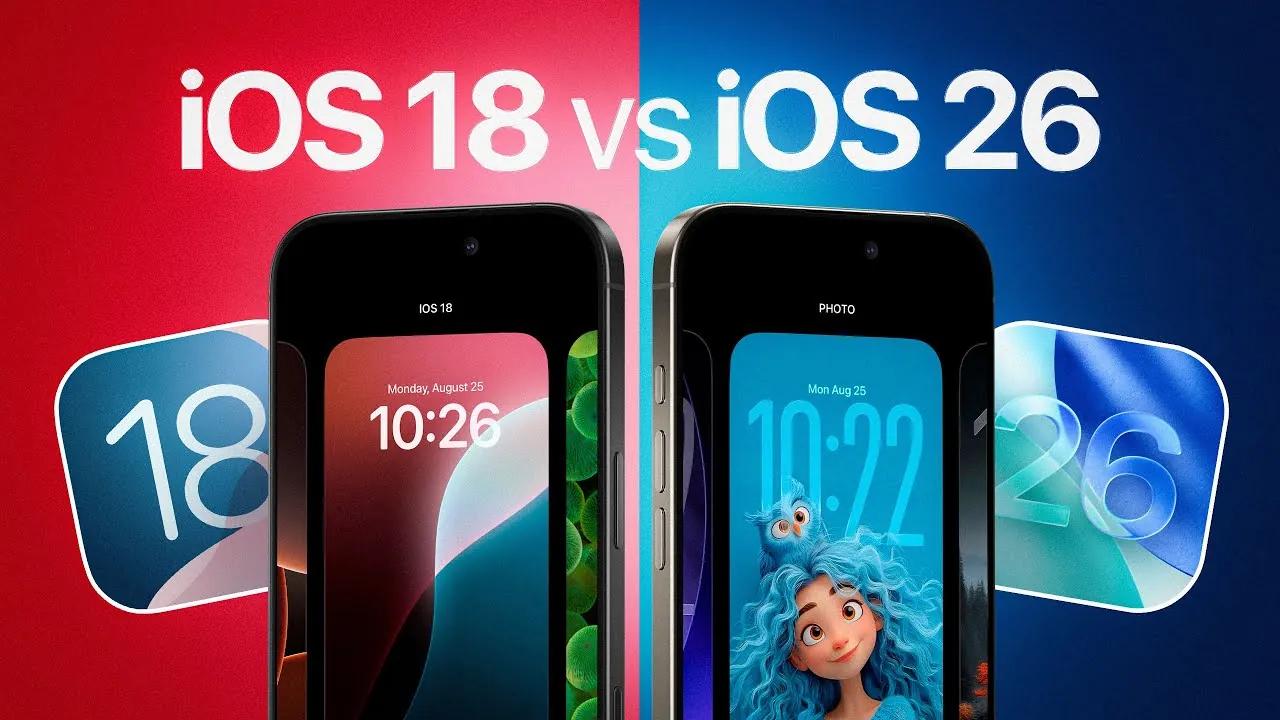
Apple’s iOS 26 brings a host of updates designed to enhance functionality, aesthetics, and overall user experience. From its innovative design to improved performance features, this latest iteration of iOS aims to cater to a wide range of user needs. However, as with any major software update, it comes with trade-offs that warrant careful consideration. Whether you’re upgrading from iOS 18 or another version, understanding the key features and potential drawbacks of iOS 26 will help you make an informed decision. The video below, from iDeviceHelp, provides more details about the upcoming iOS 26 software update.

Refined “Liquid Glass” Design
The hallmark of iOS 26 is its innovative “Liquid Glass” design, which redefines the user interface with a focus on fluidity and visual appeal. This update introduces smoother animations, seamless transitions, and a more responsive interface, creating a polished and immersive experience. Whether you’re navigating through menus, switching between apps, or customizing your home screen, the design emphasizes usability while delivering a modern aesthetic.
The “Liquid Glass” design is particularly appealing for users who prioritize a sleek and contemporary look. The enhanced fluidity makes multitasking more intuitive, while the refined visuals elevate the overall user experience. If you value a fresh and engaging interface, this design overhaul represents a significant improvement over previous versions.
Battery Life and Wireless Charging Enhancements
iOS 26 introduces support for 25W fast wireless charging, compatible with both Apple-certified and third-party chargers. This feature allows users to recharge their devices more quickly and conveniently, making it a practical upgrade for those who rely on wireless charging. Additionally, Apple has addressed the overheating issues reported in earlier beta versions, making sure safer and more reliable charging.
However, the update comes with a trade-off: a slight reduction in battery life compared to iOS 18. While the daily usage capacity remains sufficient for most users, those accustomed to the extended battery performance of earlier versions may notice the difference. For users who prioritize convenience and faster charging, iOS 26 offers clear benefits. On the other hand, if maximizing battery longevity is a priority, this aspect may require careful consideration.
Performance Improvements and Compatibility
iOS 26 delivers noticeable enhancements in speed and responsiveness, even on older devices such as the iPhone 11. Everyday tasks, from launching apps to browsing the web, feel faster and smoother, making the update appealing for users seeking a refreshed experience. The improved animation fluidity further contributes to the operating system’s overall responsiveness, creating a more seamless interaction with your device.
Despite these advancements, benchmark tests indicate that iOS 18 retains a slight edge in raw single-core and multi-core performance. For users with older hardware, iOS 26 ensures compatibility without compromising usability. However, if peak performance and efficiency are your primary concerns, the marginal differences in processing power may influence your decision.
Addressing Bugs and Remaining Challenges
Apple has made significant strides in resolving issues reported in earlier versions, such as overheating during wireless charging. However, minor glitches persist in iOS 26. Users may encounter occasional lag during screen recording or inconsistencies with the rotation lock feature. While these bugs are not severe enough to disrupt daily use, they highlight areas where further refinement is needed.
Overall, iOS 26 is largely free of major flaws, offering a stable and reliable experience for most users. However, perfectionists or those sensitive to minor inconsistencies may find these lingering issues worth noting.
Compatibility and Upgrade Considerations
One of the standout features of iOS 26 is its broad compatibility with older devices. This update provides an opportunity to modernize your iPhone with new features and a contemporary design, even if you’re using an older model. The “Liquid Glass” interface, improved animations, and faster wireless charging make it an attractive option for users seeking a refreshed experience.
However, before upgrading, it’s essential to weigh the benefits against the potential drawbacks. The slightly reduced battery life and minor performance trade-offs may not align with the priorities of all users. For those who value stability, efficiency, and extended battery performance, sticking with iOS 18 might be the better choice. Conversely, if you’re eager to explore the latest features and enjoy a more modern interface, iOS 26 could be a worthwhile upgrade.
Making the Right Choice
iOS 26 represents a significant step forward in Apple’s mobile operating system, offering a blend of innovation and practicality. The “Liquid Glass” design, enhanced responsiveness, and faster wireless charging provide a compelling user experience. However, the slightly reduced battery life and minor glitches may give some users pause.
Ultimately, the decision to upgrade depends on your individual needs and how you use your device. If you prioritize a sleek interface, improved usability, and modern features, iOS 26 is a strong contender. On the other hand, if battery longevity and peak performance are your top priorities, remaining on iOS 18 may be the smarter choice. Carefully evaluating these factors will ensure that your decision aligns with your preferences and usage habits.
Check out more relevant guides from our extensive collection on iOS 26 features that you might find useful.
- iOS Beta 6 Features: What’s New and Improved
- iOS 26 Release: Key Features and Updates for Apple Users
- What’s New in iOS 26 Beta 7 and Public Beta 4?
- Even MORE iOS 26 Features Discovered! – Apple
- iOS Review: Key Features and Updates You Shouldn’t Miss
Source & Image Credit: iDeviceHelp
Disclosure: Some of our articles include affiliate links. If you buy something through one of these links, Geeky Gadgets may earn an affiliate commission. Learn about our Disclosure Policy.
