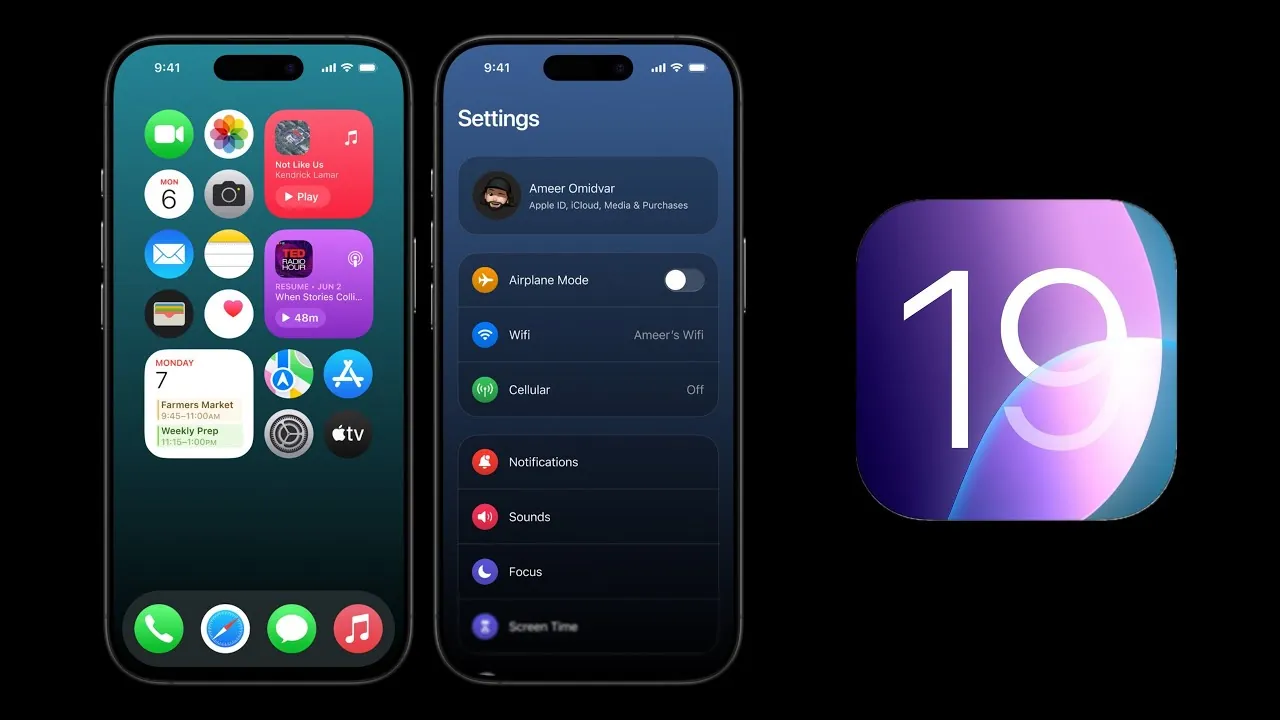
Apple is preparing to launch iOS 19 and iPadOS 19 later this year, two updates that aim to redefine the way you interact with your devices. These updates focus on delivering a modernized design, enhanced functionality, and improved productivity tools. However, they also raise important questions about device compatibility, stability, and whether Apple is effectively balancing innovation with performance. The video below from SaranByte gives us more details on what to expect from iOS 19.

Key Features of iOS 19
iOS 19 introduces a range of features designed to make your iPhone more intuitive and powerful. These updates emphasize usability and functionality while maintaining the simplicity that Apple devices are known for.
- Redesigned User Interface: Inspired by VisionOS, the new interface features circular icons, translucent notifications, and glass-like toggles. This sleek, futuristic design enhances the visual appeal while maintaining ease of navigation.
- Stage Manager for iPhones: For the first time, iPhones equipped with USB-C ports, such as the iPhone 15 and 16 series, will support Stage Manager. This feature enables you to connect your iPhone to external displays, offering a desktop-like experience that was previously exclusive to iPads.
- Personalized Siri: Siri is becoming more adaptive and responsive, offering a tailored virtual assistant experience. This update allows Siri to better understand and cater to your preferences, making interactions more seamless.
These features aim to modernize the iPhone experience, providing users with tools that enhance both functionality and convenience.
What’s New in iPadOS 19?
For iPad users, iPadOS 19 focuses on bridging the gap between tablets and traditional computers. The updates prioritize productivity and multitasking, making the iPad an even more versatile device.
- Mac-like Menu Bar: iPads paired with the Magic Keyboard will now feature a menu bar similar to macOS. This addition simplifies multitasking, allowing for easier app management and navigation.
- Improved Multitasking: Enhanced app window management lets you resize and organize multiple apps more efficiently. This improvement streamlines workflows, making the iPad a more effective tool for productivity.
While some users continue to advocate for macOS integration on iPads, Apple remains committed to refining iPadOS as a distinct platform, tailored to the unique capabilities of the iPad.
Visual Redesigns: A Fresh Look for iOS and iPadOS
One of the most noticeable aspects of iOS 19 and iPadOS 19 is the visual overhaul. Apple has introduced rounded UI elements, pill-shaped tab bars, and floating keyboards to enhance both aesthetics and usability. These changes aim to make navigation more intuitive while providing a visually cohesive experience.
- Translucent Notifications: Notifications now feature a frosted-glass effect, blending seamlessly with the updated interface for a polished look.
- Glass-like Controls: Toggles and buttons adopt a transparent, modern design that complements the overall aesthetic of the operating systems.
While these updates are visually striking, they have sparked discussions about whether Apple is prioritizing design over functionality. Some users question whether these changes come at the expense of stability and performance.
Device Compatibility and Security
Device compatibility is a critical factor with every major software update. iOS 19 will no longer support older models like the iPhone XS, XS Max, and XR, as well as the iPad 7th generation. However, the iPad 8th generation, despite its older chipset, will remain compatible. This selective approach allows Apple to optimize performance for newer hardware while phasing out support for older devices.
For devices that will not receive iOS 19, Apple plans to release security updates. This ensures that older devices remain secure and functional, striking a balance between innovation and the need to maintain safety for legacy hardware.
Challenges and Concerns
While iOS 19 and iPadOS 19 bring exciting new features, they also present potential challenges that users should consider:
- Stability Issues: Early builds of the updates may contain bugs, which could affect the user experience. The extensive changes to the interface and functionality may require additional refinements over time.
- Focus on Design: Some users have expressed concerns that Apple is prioritizing visual updates over stability and performance. Reliability remains a key expectation for many users.
- Underutilized Hardware: Despite the powerful M-series chips in iPads, Apple has yet to fully use their capabilities. This has led some users to question whether the hardware’s potential is being maximized.
These challenges highlight the ongoing debate about whether Apple is delivering meaningful innovation or focusing too heavily on aesthetics and design.
The Future of iOS and iPadOS
iOS 19 and iPadOS 19 represent a significant step forward for Apple’s mobile operating systems. By combining modern design elements with enhanced functionality and productivity-focused features, these updates aim to improve how you interact with your devices. However, they also come with trade-offs, including potential stability issues and debates about hardware utilization.
As Apple prepares to roll out these updates, users can look forward to a refreshed experience that balances innovation with practicality. Whether you’re eager to explore the new features or cautious about potential drawbacks, iOS 19 and iPadOS 19 are set to shape the next chapter of Apple’s ecosystem.
Below are more guides on iOS 19 Updates from our extensive range of articles.
- iOS 19 and iPadOS 19 Leaks: What to Expect at WWDC 2025
- iOS 19: Prepare for a TOTAL Redesign – Apple’s Biggest Update
- Desktop Mode: iPadOS 19 & iOS 19 Might Finally Make It Real
- iOS 19 Update: Features, Bug Fixes, and More
- iOS 19 Redesign: VisionOS-Inspired Features You’ll Love
Source & Image Credit: SaranByte
Disclosure: Some of our articles include affiliate links. If you buy something through one of these links, Geeky Gadgets may earn an affiliate commission. Learn about our Disclosure Policy.
