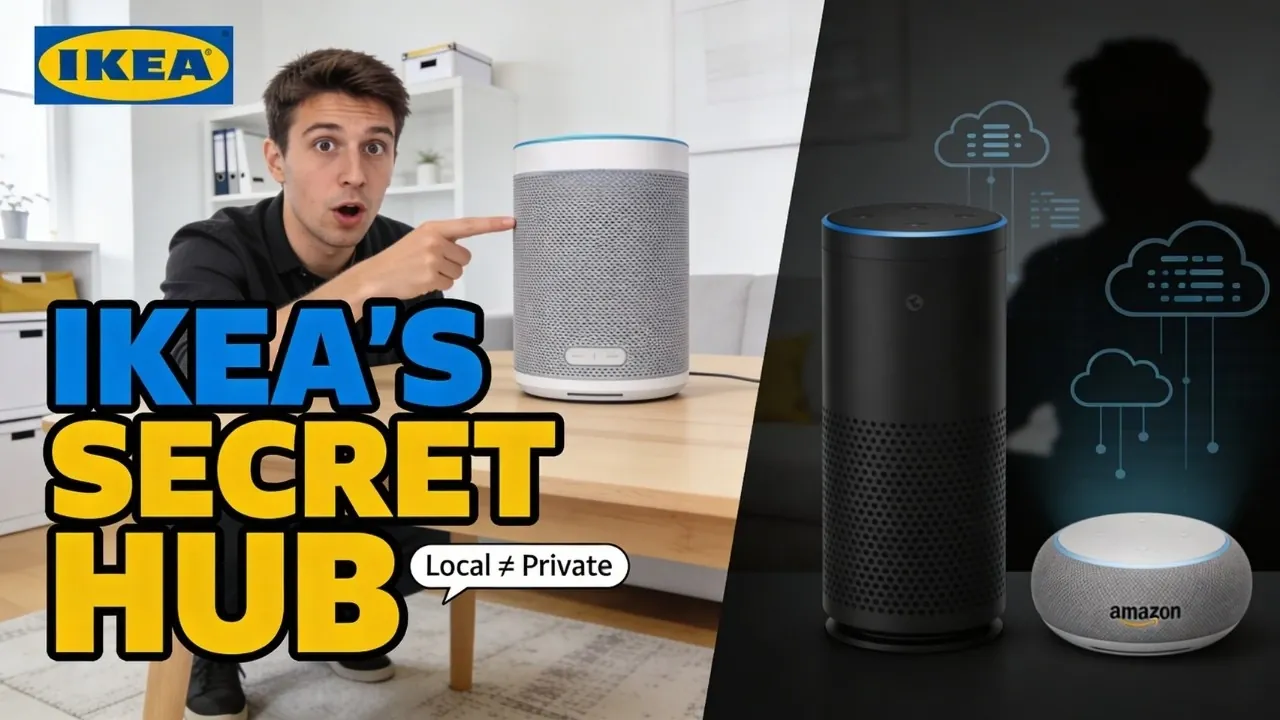
The IKEA Dirigera smart home hub has sparked discussions about privacy in the age of connected devices. Unlike many cloud-based systems, the Dirigera operates as a local hub, meaning it processes data within your home network rather than relying on external servers. This approach minimizes the amount of personal information shared with third parties, offering a level of control that appeals to privacy-conscious users. A Smarter House explores how this design, combined with the growing adoption of the Matter standard for device compatibility, positions the Dirigera as a unique option in the smart home market.
In this overview, you’ll learn how local hubs like IKEA Dirigera differ from cloud-based systems in terms of data handling and reliability. It also examines the trade-offs between privacy and convenience, offering insights into what these choices mean for your smart home setup. Additionally, the guide highlights how the Matter standard can simplify device interoperability, making sure flexibility as your system evolves. Whether you’re new to smart home technology or considering a switch, this breakdown provides practical guidance to help you make informed decisions.
Cloud-Based vs Local Hubs : What’s the Difference?
TL;DR Key Takeaways :
- Cloud-based hubs like Amazon Echo and Google Nest offer advanced features and convenience but pose potential privacy risks due to reliance on external servers and data transmission.
- Local hubs, such as IKEA Dirigera and Home Assistant, prioritize privacy and reliability by processing data within the home network, reducing exposure to breaches and maintaining functionality during internet outages.
- Privacy is a critical factor when choosing a smart home hub, with local hubs offering greater control over personal data compared to cloud-based systems that often require user accounts and extensive data collection.
- The Matter standard enhances interoperability, allowing devices from different brands to work seamlessly together and allowing users to switch hubs without replacing existing devices.
- Each hub option involves trade-offs between privacy, functionality and ease of use, making it essential to evaluate your priorities and choose a system that aligns with your smart home goals.
One of the first decisions you’ll encounter when setting up a smart home is choosing between a cloud-based or local hub. Each option comes with distinct advantages and potential drawbacks.
Cloud-based hubs, such as Amazon Echo and Google Nest, rely on external servers to process commands and manage automations. These systems are known for their advanced features, including voice assistance and seamless integration with a wide range of devices. However, they also transmit data, such as voice recordings, usage patterns and device interactions, to remote servers. This reliance on cloud infrastructure introduces potential privacy risks, as your data could be vulnerable to breaches or misuse.
Local hubs, on the other hand, process data within your home network. Devices like IKEA Dirigera and Home Assistant operate with minimal dependency on the internet. This approach ensures faster response times and greater reliability, even during internet outages. By keeping data local, these hubs significantly reduce the risk of unauthorized access and give you more control over your smart home ecosystem. For users prioritizing privacy and autonomy, local hubs present a compelling alternative.
Privacy: A Critical Factor
Privacy remains a central concern when evaluating smart home hubs. Cloud-based systems often require user accounts and collect extensive data to enhance functionality and personalization. While this can improve the user experience, it raises important questions about how your data is stored, shared and used.
Local hubs prioritize privacy by minimizing or eliminating the need for cloud connectivity. For example, IKEA Dirigera does not require an online account, allowing you to retain control over your data. Similarly, Home Assistant, an open source platform, avoids cloud reliance entirely, empowering users to manage their data independently. These systems reduce exposure to potential breaches and provide peace of mind for those concerned about data security.
By choosing a local hub, you can limit the amount of personal information shared with third parties. This is particularly important in an era where data breaches and unauthorized data sharing have become increasingly common. Understanding the privacy policies of your chosen hub is essential to safeguarding your information.

Here are more detailed guides and articles that you may find helpful on smart home.
- IKEA Home Tech Review : Dirigera Hub and IP67 Motion Sensor
- Best Way to Use IKEA Devices with Home Assistant in 2026
- Wago Matter Smart Home Devices: Wi-Fi vs Thread Options
- IKEA Smart Home Without Dirigera: Best Platforms and Tips
- Apple’s Smart Home Hub Will Transform Home Automation
- Solid-State Battery CES 2026 : Donut Verge TS Pro Plans & Doubts
- 5 Workflows Built with Gemini & Google Workspace
- Apple’s 2026 Innovations: Foldables, iPhones, and New Tech
- Apple HomePad: Features, Release Date, and What to Expect
- Apple Home vs HomeKit : Key Changes After Support Ends in February 2026
Performance and Reliability: Staying Connected
Reliability is another critical consideration when selecting a smart home hub. Cloud-based hubs depend on a stable internet connection to function. If your internet service is interrupted or the provider discontinues support for the hub, you may lose access to essential features and automations. This dependency can be a significant drawback, especially for users who value consistent performance.
Local hubs excel in maintaining functionality even during internet outages. Automations, schedules and device controls continue to operate seamlessly, making sure uninterrupted performance. For instance, IKEA Dirigera and Homie are designed to function independently of cloud services, making them reliable options for users seeking dependable solutions. By reducing reliance on external servers, local hubs offer a more robust and consistent experience.
The Matter Standard: Enhancing Interoperability
Interoperability has long been a challenge in smart home ecosystems, with devices from different manufacturers often struggling to work together. The Matter standard addresses this issue by allowing seamless communication between devices, regardless of the brand. This innovation reduces ecosystem lock-in and allows you to switch hubs without replacing your existing devices.
For example, if you begin with IKEA Dirigera and later transition to Home Assistant, the Matter standard ensures that your devices remain compatible. This flexibility protects your investment and simplifies the process of upgrading or expanding your smart home. By fostering greater compatibility, the Matter standard enables users to build diverse and adaptable smart home ecosystems.
Balancing Privacy, Functionality and Ease of Use
Each smart home hub offers a unique combination of features, privacy measures and usability. Understanding the trade-offs involved can help you select the system that best meets your needs:
- Amazon Echo and Google Nest: These cloud-based hubs prioritize convenience and advanced features like voice assistance but rely heavily on external servers, which may pose privacy concerns.
- IKEA Dirigera: A user-friendly local hub that emphasizes privacy by operating without an online account requirement, making it an excellent choice for privacy-conscious users.
- Home Assistant: An open source platform ideal for advanced users seeking maximum privacy and control, though it requires technical expertise and ongoing maintenance.
- Homie: A versatile option that balances privacy, functionality and ease of use while supporting a wide range of protocols and devices.
Key Takeaways
When it comes to privacy, local hubs generally offer greater control and security compared to cloud-based systems. However, the level of privacy depends on factors such as account requirements, data collection policies and remote access settings. By carefully evaluating your priorities, whether they are convenience, privacy, or reliability, you can choose a smart home hub that aligns with your goals.
The Matter standard further enhances your options by allowing interoperability, making sure that your devices remain compatible across different hubs. This flexibility allows you to adapt and future-proof your smart home setup with ease. Ultimately, the best choice depends on your comfort with trade-offs and your vision for a secure, efficient and reliable smart home environment.
Media Credit: A Smarter House
Disclosure: Some of our articles include affiliate links. If you buy something through one of these links, Geeky Gadgets may earn an affiliate commission. Learn about our Disclosure Policy.
