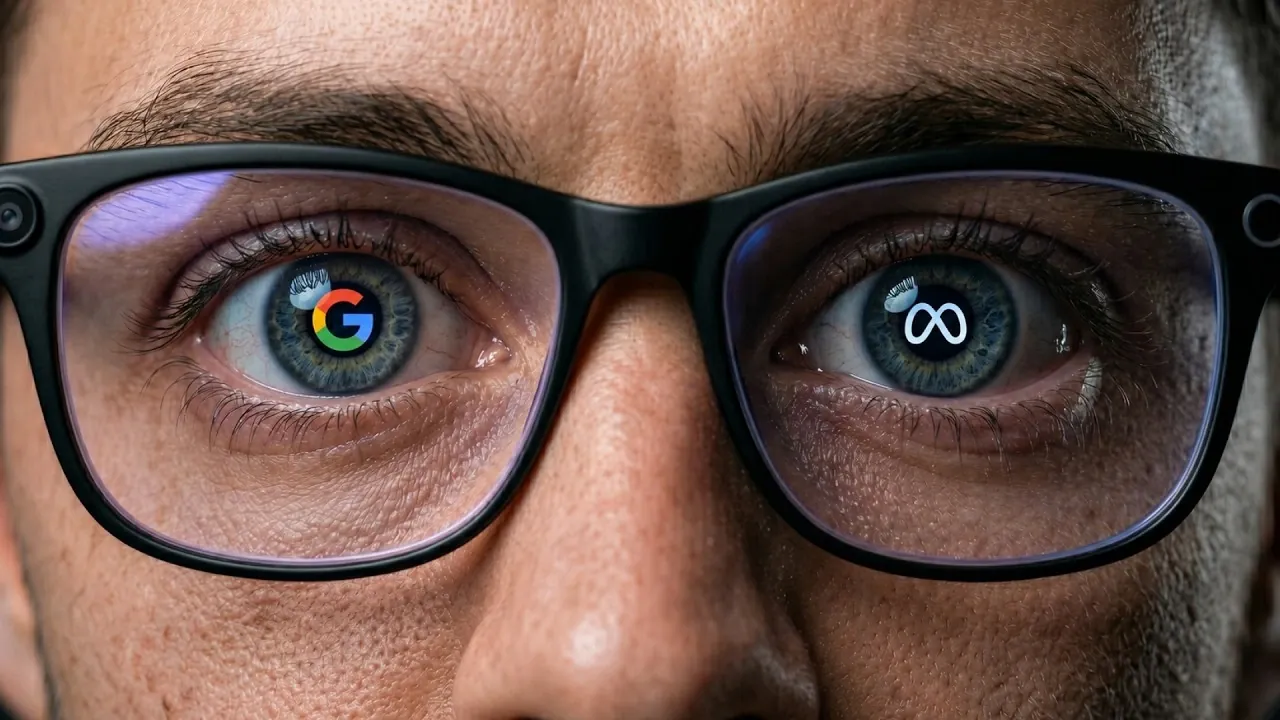
The rivalry between Google and Meta in the smart glasses market has become a fascinating case study in strategy and execution. While Google Glass debuted in 2013 as a bold step into wearable tech, its high price, limited functionality and privacy concerns hindered its adoption. By contrast, Meta’s 2023 launch of the Ray-Ban Meta smart glasses prioritized accessibility and style, offering features like built-in speakers and AI integration at a far more approachable $299 price point. As ARC explains, this pragmatic approach helped Meta capture a staggering 76.1% market share by 2025, leaving Google with a steep uphill battle as it prepares for a 2026 comeback.
In this breakdown, you’ll explore how Meta’s focus on mainstream appeal and strategic retail partnerships secured its dominance, as well as the specific challenges Google must overcome to regain relevance. Gain insight into the competitive dynamics shaping the smart glasses market, from the role of pricing strategies to the importance of consumer trust. Whether you’re interested in the evolution of wearable tech or the business strategies behind it, this overview offers a clear lens into the shifting landscape of this rapidly growing industry.
Google vs Meta Smart Glasses
TL;DR Key Takeaways :
- Google Glass, launched in 2013, pioneered smart glasses but failed due to high costs, limited functionality and privacy concerns, ultimately being discontinued by 2023.
- Meta entered the market in 2023 with Ray-Ban Meta smart glasses, focusing on affordability, style and practicality, capturing 76.1% of the market by 2025 with 9 million units sold.
- Meta’s success was driven by strategic retail partnerships, diverse product offerings and user-friendly designs, solidifying its dominance in the smart glasses market.
- Google plans a 2026 comeback with advanced technologies like Android XR and Gemini AI, targeting both mainstream and luxury markets, but faces challenges from Meta’s established lead and its own past failures.
- The smart glasses market is projected to triple by 2030, with competition between Google and Meta expected to drive innovation, improve technology and expand consumer choices.
Google Glass: A Visionary Concept That Fell Short
When Google Glass was unveiled in 2013, it promised to redefine the way people interacted with technology. Featuring a heads-up display, voice commands and a built-in camera, it was a pioneering step into the world of augmented reality and wearable tech. However, its steep $1,500 price tag, limited functionality and unresolved privacy concerns alienated potential users. These issues, combined with a lack of clear use cases for everyday consumers, led to its failure in the mainstream market. By 2023, Google Glass had been relegated to niche industrial applications before being officially discontinued. Despite its shortcomings, Google Glass was instrumental in laying the groundwork for the smart glasses industry, proving that the concept had potential if executed with precision and consumer needs in mind.
Meta’s Strategic Entry with Ray-Ban Meta
In 2023, Meta made a calculated entry into the smart glasses market, focusing on practicality and style rather than overwhelming users with advanced technology. Partnering with Ray-Ban, Meta introduced a product that combined sleek aesthetics with essential features such as built-in speakers, a discreet camera and AI integration. By deliberately avoiding augmented reality, Meta kept production costs low and offered the glasses at an accessible price of $299. This strategy resonated with a wide audience, making the product both fashionable and functional. By 2025, Meta had sold an impressive 9 million units, capturing a commanding 76.1% share of the global smart glasses market.

Discover other guides from our vast content that could be of interest on smart glasses.
- Google’s New AI Smart Glasses Are Leaving Meta Behind
- Move Over, Ray-Ban Meta: Samsung’s AI Galaxy Smart Glasses Are Finally Coming This Year
- Nothing Al Smart Glasses : Premium AR Features with Everyday Comfort
- Apple Glasses Leak: The Features That Could Kill Meta’s Ray-Bans
- Samsung Galaxy Smart Glasses: The Newest Addition to the Ecosystem Arrives in 2026
- Leak: Apple Testing Four Distinct Frame Styles for Upcoming 2027 Smart Glasses
- Forget Vision Pro: Apple Glass “Early Look” Set for 2026 (Leaked)
- Google’s Gemini Smart Glasses Make Meta Ray-Bans Look Outdated
- The Wait Is Almost Over: Apple’s Smart Glasses Just Hit a Major Production Milestone
- The Hidden Genius Behind Apple’s Upcoming Smart Glasses
How Meta Secured Market Dominance
Meta’s dominance in the smart glasses market was not achieved by product design alone. The company implemented a comprehensive strategy that addressed multiple aspects of consumer demand and market penetration:
- Offering prescription lenses and advanced models to cater to a diverse range of users.
- Establishing retail partnerships with well-known brands like Warby Parker and Gentle Monster to enhance accessibility.
- Focusing on user-friendly features and stylish designs to appeal to mainstream consumers.
These efforts allowed Meta to build a loyal customer base and a robust retail network, solidifying its position as the market leader by 2025.
Google’s Attempt to Reclaim Its Place
In 2026, Google is preparing to re-enter the smart glasses market with a revamped strategy aimed at challenging Meta’s dominance. Collaborating with high-profile partners such as Warby Parker, Gentle Monster and Gucci, Google plans to offer a tiered product lineup that appeals to both mainstream and luxury markets. The new glasses will feature innovative technologies, including Android XR for augmented reality, Gemini AI for advanced functionalities and seamless cross-platform compatibility. Scheduled for a fall 2026 launch, Google’s approach is ambitious, but the company faces significant hurdles. Meta’s three-year head start, coupled with Google’s own history of missteps in emerging markets, presents formidable challenges.
Challenges Google Must Overcome
Google’s path to reclaiming relevance in the smart glasses market is fraught with obstacles. To succeed, the company must address several critical challenges:
- Rebuilding consumer trust after the failure of the original Google Glass.
- Competing against Meta’s well-established customer base and extensive retail partnerships.
- Delivering a product that not only matches but surpasses Meta’s offerings in terms of value, functionality and innovation.
Google’s ability to overcome these challenges will determine whether it can regain a foothold in a market that has already been shaped by Meta’s success.
The Future of Smart Glasses
The global smart glasses market is projected to triple in size by 2030, driven by rapid advancements in artificial intelligence, augmented reality and wearable technology. While Meta currently leads the market, Google’s re-entry has the potential to intensify competition, fostering innovation and potentially driving down prices. For consumers, this rivalry could result in a wider array of choices and improved technology. However, Google’s ability to reclaim its position as a market leader will depend on its capacity to learn from past mistakes and deliver a product that resonates with users on both a functional and emotional level.
The Competitive Landscape Ahead
The ongoing competition between Google and Meta highlights the importance of timing, execution and consumer-focused design in the development of emerging technologies. Meta’s Ray-Ban Meta smart glasses have set a high standard, but Google’s upcoming launch could disrupt the current market dynamics. As the smart glasses industry continues to evolve, consumers stand to benefit the most from the innovation and competition this rivalry generates. Whether Google can successfully challenge Meta’s dominance remains uncertain, but one thing is clear: the smart glasses market is poised for significant growth and transformation in the years to come.
Media Credit: ARC
Disclosure: Some of our articles include affiliate links. If you buy something through one of these links, Geeky Gadgets may earn an affiliate commission. Learn about our Disclosure Policy.
