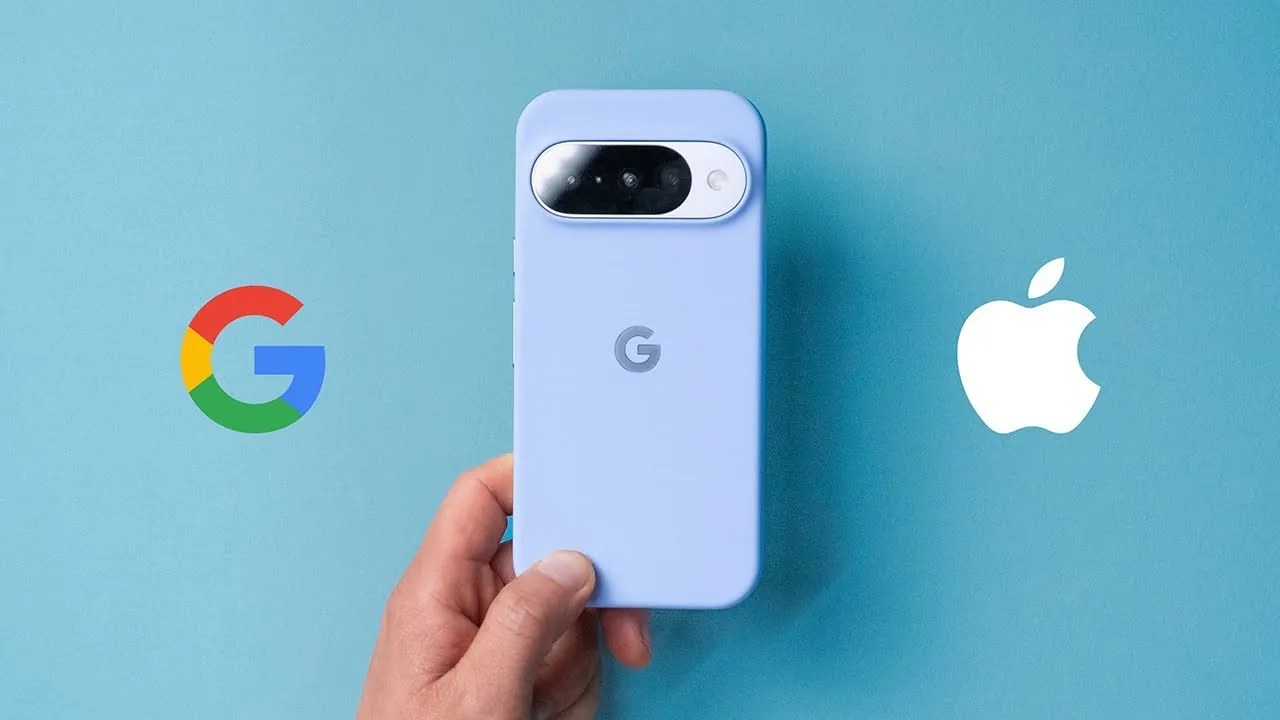
The Google Pixel 10 represents a significant evolution in the Pixel lineup, introducing advanced AI-driven features, subtle design enhancements, and upgraded hardware. However, it also comes with certain compromises, particularly in areas like camera performance and ecosystem integration, which may influence your decision if you’re an iPhone user contemplating a switch. The video below from Andrew Ethan Zeng provides a detailed analysis of the Pixel 10’s strengths and limitations, offering insights tailored to those familiar with Apple’s ecosystem.

Camera System: Balancing Innovation and Limitations
The Pixel 10’s camera system is a blend of innovation and compromise. It features a new triple-camera setup, including a telephoto lens with 5x optical zoom, which is ideal for capturing distant subjects with impressive clarity. This addition enhances the device’s versatility, particularly for users who enjoy zoom photography. However, the main and ultrawide sensors are smaller than those found in the Pixel 9, leading to a noticeable reduction in sharpness and detail in standard photos.
Google’s computational photography remains a strong point, with features like RAW mode and Magic Eraser providing powerful tools for editing and enhancing images. These features allow users to fine-tune their photos with ease, making the Pixel 10 a capable device for creative photography. However, for iPhone users accustomed to the consistent and reliable performance of Apple’s camera systems, the Pixel 10’s trade-offs may feel like a step back. While the telephoto lens is a welcome addition, the overall camera experience may not fully satisfy those who prioritize photographic precision and consistency.
Performance and AI: Pioneering Features with Marginal Gains
At the heart of the Pixel 10 is the Tensor G5 chip, built on advanced 3nm technology. This processor powers a suite of AI-driven features designed to enhance productivity and convenience. Key innovations include Magic Eraser for seamless photo editing, Magic Q for intelligent task management, and advanced call assist tools that streamline communication. These features aim to make everyday tasks more intuitive and efficient, showcasing Google’s commitment to AI integration.
In terms of raw performance, the Tensor G5 delivers smooth operation across gaming, multitasking, and app usage. However, the day-to-day experience shows only incremental improvements over the Pixel 9. For iPhone users, the Pixel 10’s AI capabilities may feel innovative and refreshing, but the overall performance may not surpass the seamless and polished experience provided by Apple’s A-series chips. The Pixel 10 excels in AI-driven functionality, but it may not fully meet the expectations of those seeking top-tier performance across all aspects of the device.
Software and Customization: A Flexible Alternative
The Pixel 10 runs on Android 16, offering a clean and highly customizable interface. The updated software introduces refreshed icons, smoother animations, and practical usability improvements that enhance the overall user experience. Features like Magic Q and call assist further elevate the device’s functionality, making it feel modern and responsive.
For iPhone users, the Pixel 10 provides a level of flexibility that iOS does not. The ability to customize your interface, install third-party apps without restrictions, and tailor the device to your preferences is a significant advantage. However, the absence of Apple ecosystem staples like AirDrop, iMessage, and seamless integration with other Apple devices may be a considerable drawback for those deeply embedded in Apple’s ecosystem. While the Pixel 10 offers freedom and adaptability, it may not fully replicate the cohesive experience that iPhone users are accustomed to.
Design and Display: Subtle Enhancements
The Pixel 10 retains much of the design language of its predecessor, the Pixel 9, with subtle refinements that enhance its usability and durability. Its 6.3-inch OLED display now features a peak brightness of 3,000 nits, making sure excellent visibility even in direct sunlight. This improvement makes the device more practical for outdoor use, particularly in bright environments. Additionally, the introduction of Pixel Snap, Google’s answer to Apple’s MagSafe, enables magnetic wireless charging and supports a range of compatible accessories, adding a layer of convenience.
The device is built to last, featuring IP68 water and dust resistance for enhanced durability. However, the design changes are incremental, and iPhone users may find the overall aesthetic less premium compared to Apple’s devices, which often emphasize sleekness and luxury. While the Pixel 10 is functional and durable, it may not fully satisfy those who prioritize a high-end design experience.
Battery Life and Charging: Practical Yet Limited
The Pixel 10 is equipped with a 4,970mAh battery, offering slightly improved battery life over the Pixel 9. Google claims up to 30 hours of usage, but real-world performance averages around 15–16 hours under typical conditions. This makes the device suitable for most daily use cases, though it may fall short for power users who require extended battery life. The addition of magnetic G2 wireless charging enhances convenience, allowing for easier charging and compatibility with a range of accessories.
One notable omission is silicon-carbon battery technology, which is becoming increasingly common in high-end smartphones. This absence could impact the Pixel 10’s long-term battery performance, particularly when compared to devices that adopt this innovation. While the Pixel 10 offers reliable battery life and charging options, it may not fully meet the expectations of users seeking innovative advancements in this area.
Storage Options: A Mixed Bag
The Pixel 10 offers multiple storage configurations, catering to a range of user needs. However, the base model uses UFS 3.1 storage, which is slower than the UFS 4.0 found in higher-capacity variants. This discrepancy may affect app loading times and data transfer speeds, particularly for users who opt for the entry-level model. For iPhone users accustomed to consistent performance across all configurations, this variation in storage speed may feel like a compromise.
Additionally, the absence of innovative battery technology and the camera downgrades may be dealbreakers for those who prioritize top-tier hardware. While the Pixel 10 provides flexibility in storage options, it may not fully align with the expectations of users seeking a seamless and high-performance experience across all configurations.
Evaluating the Pixel 10: A Device of Trade-Offs
The Google Pixel 10 offers a compelling package for those seeking a customizable Android experience with advanced AI capabilities. Its standout features include software enhancements, a versatile telephoto lens, and a bright, high-quality display. These elements make it an attractive option for users who value innovation and flexibility.
However, the Pixel 10 also comes with notable compromises. Camera downgrades, the absence of silicon-carbon batteries, and incremental design changes may leave some users underwhelmed. For iPhone users, the Pixel 10 presents an opportunity to explore a more flexible and innovative platform. However, it also requires compromises, particularly in photography and ecosystem integration. If you’re deeply embedded in Apple’s ecosystem or prioritize consistent camera performance, the Pixel 10 may not fully meet your expectations. Ultimately, while the Pixel 10 excels in certain areas, it may not deliver a universally superior experience for all users.
Expand your understanding of Google Pixel 10 with additional resources from our extensive library of articles.
- Google Pixel 10 Pro XL: Top 10 Features You Need to Know
- Google Pixel 10 Pro Fold: The Foldable Revolution?
- Google Pixel 10 Pro XL Leak: Specs, Features, and Release Date
- Google Pixel 10 Pro Fold Rumors: Price, Features, and More
- Google Pixel 10 Pro Fold Full Specs and Features
Source & Image Credit: Andrew Ethan Zeng
Disclosure: Some of our articles include affiliate links. If you buy something through one of these links, Geeky Gadgets may earn an affiliate commission. Learn about our Disclosure Policy.
