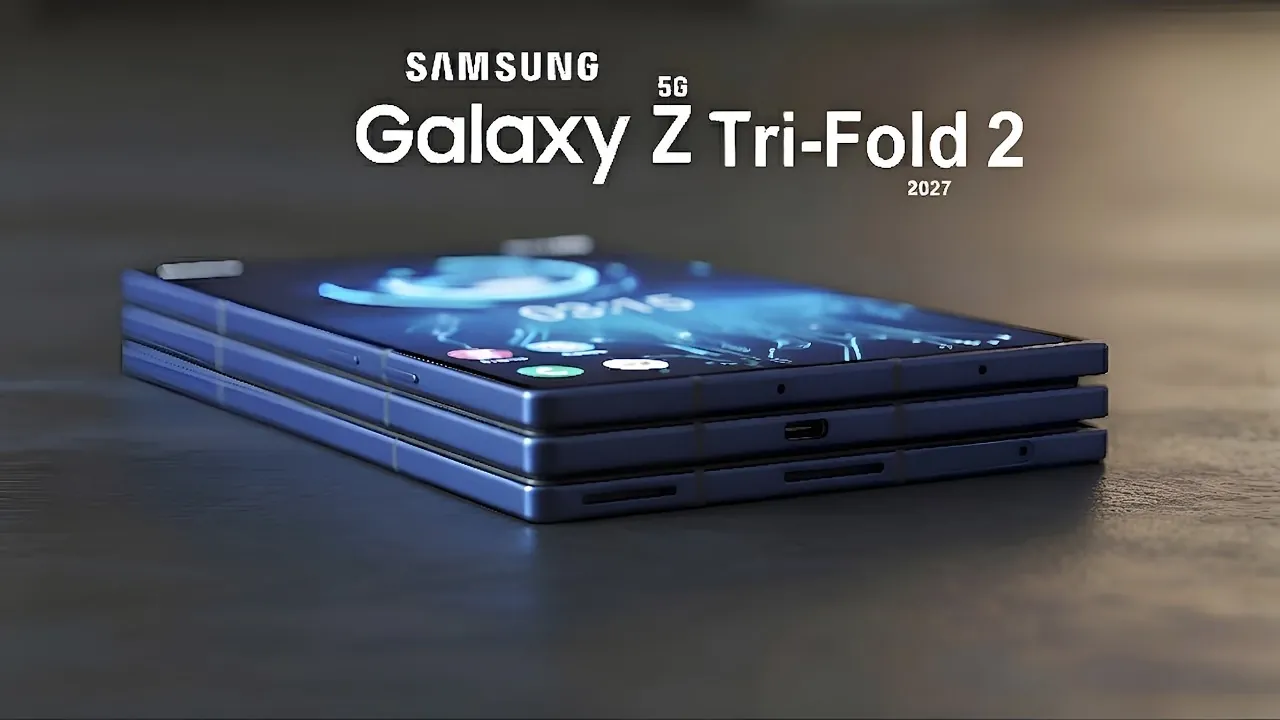
Samsung is reportedly working on the Galaxy Z TriFold 2, a successor to the discontinued Galaxy Z TriFold, alongside a new slidable OLED display device. These developments highlight Samsung’s ongoing commitment to pushing the boundaries of smartphone design by combining advanced technology with practical functionality. The company’s focus on innovation reflects its ambition to redefine how users interact with mobile devices.

Why the Original Galaxy Z TriFold Was Discontinued
The original Galaxy Z TriFold launched with high expectations, promising to transform foldable smartphones with its triple-folding display. However, it was discontinued just three months after its release due to significant design challenges. The primary issue was its bulky form factor, measuring 12.9 mm thick when folded. While the triple-folding display was innovative, the device’s size made it impractical for everyday use.
Samsung’s decision to halt production demonstrated its responsiveness to user feedback and its willingness to refine its approach to foldable technology. This move also underscored the company’s focus on delivering devices that balance innovation with usability, setting the stage for a more refined successor.
Galaxy Z TriFold 2: Slimmer, Smarter, and More Practical
The Galaxy Z TriFold 2 is rumored to address the shortcomings of its predecessor by introducing a sleeker design and enhanced functionality. Samsung appears to have prioritized user feedback, focusing on creating a device that is both innovative and practical. Key improvements reportedly include:
- A significantly thinner profile, potentially reducing the folded thickness to 8.9 mm, comparable to the Galaxy Z Fold 7.
- An upgraded hinge mechanism designed for greater durability and smoother folding and unfolding operations.
These enhancements aim to make the Galaxy Z TriFold 2 more appealing to users who value portability without sacrificing versatility. If development progresses as planned, the device could launch by mid-2027, representing a significant evolution in foldable smartphone technology. By addressing the bulkiness issue, Samsung is positioning the TriFold 2 as a more practical option for consumers seeking an innovative design.
Slidable OLED Display: A Glimpse Into the Future
In addition to the Galaxy Z TriFold 2, Samsung is also exploring a hybrid device featuring a slidable OLED display, which could redefine the concept of screen expandability. This device uses Samsung Display’s slidable flex panel, allowing the screen to extend horizontally for a larger viewing area. Key features of this innovative concept include:
- A manual sliding mechanism engineered for durability and ease of use, making sure reliability over time.
- A fully extended display size of up to 7 inches, offering a seamless transition between smartphone and compact tablet modes.
- A thinner and more refined design compared to earlier prototypes, addressing common concerns about the bulkiness of experimental form factors.
This slidable OLED device is still in development, with a potential release window between late 2027 and early 2028. If successful, it could introduce a new category of hybrid mobile devices, bridging the gap between traditional smartphones and tablets. Samsung’s focus on this technology demonstrates its commitment to exploring new ways to enhance user experiences through innovative design.
Samsung’s Multi-Faceted Innovation Strategy
Samsung’s approach to innovation involves pursuing multiple experimental form factors simultaneously, making sure that it remains at the forefront of mobile technology. By advancing technologies such as improved hinge systems and slidable OLED panels, the company is pushing the boundaries of what smartphones can achieve. This strategy reflects a balance between technological ambition and practical usability, making sure that new designs address real-world needs.
The company’s willingness to experiment with bold concepts, such as the Galaxy Z TriFold 2 and the slidable OLED device, underscores its leadership in the industry. By refining these technologies, Samsung is not only setting new benchmarks but also shaping the future of mobile devices.
What Lies Ahead
The Galaxy Z TriFold 2 and the slidable OLED device represent significant steps forward in mobile innovation. However, their success will depend on factors such as market demand, production feasibility, and user adoption. While challenges remain, Samsung’s efforts to address the limitations of earlier designs and introduce new form factors highlight its dedication to advancing the smartphone industry.
By continuously experimenting with innovative technologies and responding to user feedback, Samsung is shaping the future of mobile technology. Whether through foldable designs or hybrid devices, the company is redefining what is possible in the world of smartphones, paving the way for a new era of innovation.
Browse through more resources below from our in-depth content covering more areas on the Samsung Galaxy Z Trifold 2.
- Samsung Galaxy Z TriFold 2: Radical Portless Design Leaked
- Samsung Galaxy Z Trifold: Features, Price and Release Date
Source & Image Credit: Demon’s Tech
Disclosure: Some of our articles include affiliate links. If you buy something through one of these links, Geeky Gadgets may earn an affiliate commission. Learn about our Disclosure Policy.
