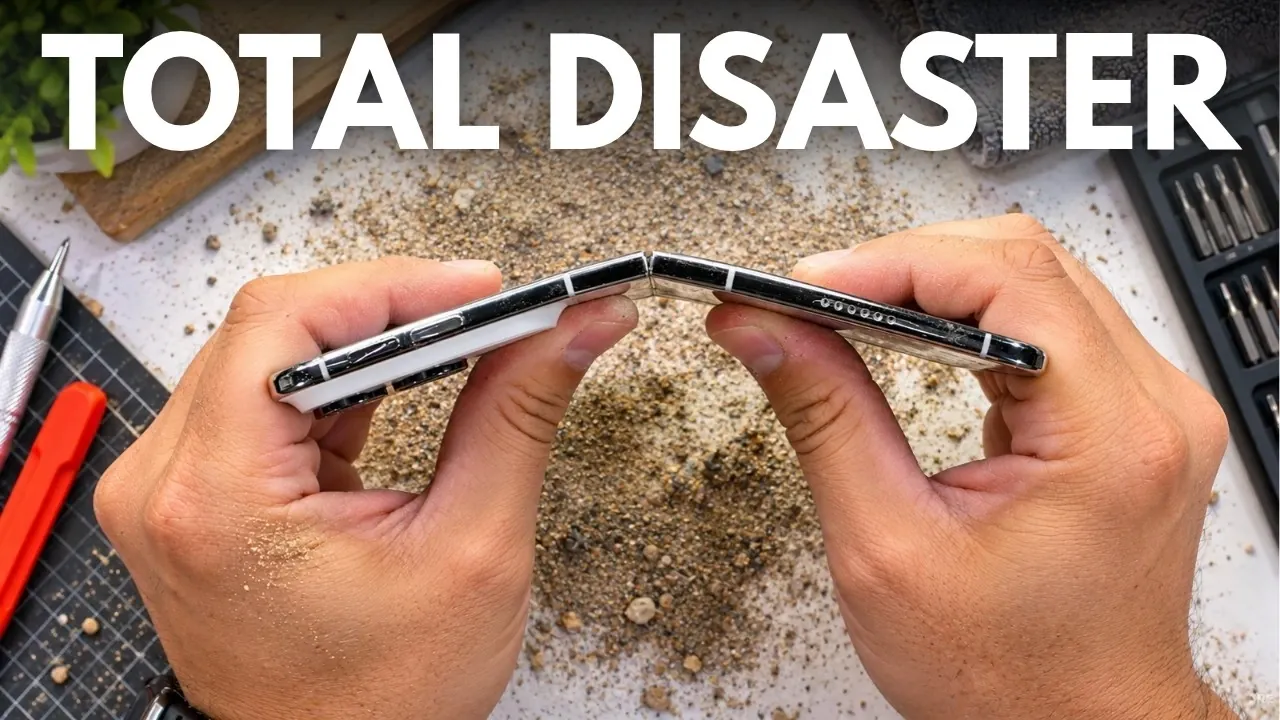
Foldable smartphones are no longer a niche experiment and the competition between Samsung’s Galaxy Z Fold 8 and Apple’s iPhone Duo highlights the growing stakes in this category. Tech Court examines how these devices represent two distinct approaches: Samsung’s iterative refinement versus Apple’s ambitious first attempt. One standout difference lies in durability, where the Galaxy Z Fold 8’s IP68 rating and hinge design offer greater resilience against dust and wear compared to the iPhone Duo, which has faced early reports of hinge malfunctions. These contrasts underscore the challenges of balancing innovation with reliability in foldable technology.
Explore how these devices stack up across key areas like display quality and software optimization. You’ll gain insight into Apple’s matte nanostructure layer, which reduces crease visibility at the expense of vibrancy and Samsung’s polished multitasking features, honed through years of refinement. Whether you prioritize aesthetics, usability, or long-term dependability, this breakdown provides a clear lens to evaluate the trade-offs shaping the future of foldable smartphones.
Durability: A Test of Engineering
TL;DR Key Takeaways :
- Samsung’s Galaxy Z Fold 8 outperforms Apple’s iPhone Duo in durability, with better hinge design and dust resistance, making it a more reliable choice for long-term use.
- Apple’s iPhone Duo introduces innovative display technology to reduce crease visibility but sacrifices screen vibrancy, while the Galaxy Z Fold 8 offers a balanced display with a more visible crease.
- Samsung’s years of software optimization provide a seamless foldable experience with features like split-screen and app continuity, whereas the iPhone Duo struggles with app adaptation and software polish.
- Both companies are working on future improvements, with Samsung focusing on advanced glass technology for durability and Apple aiming to refine its foldable ecosystem through updates and hardware enhancements.
- Apple’s entry into the foldable market signals a shift toward mainstream adoption, driving competition and innovation that will benefit consumers with better designs and enhanced functionality in the future.
Durability remains a critical factor for foldable devices and in this area, the Galaxy Z Fold 8 demonstrates a clear advantage. Reports of cracked screens and hinge malfunctions on the iPhone Duo within hours of use have raised concerns about its long-term reliability. By contrast, the Fold 8 has shown greater resilience in stress tests, though it is not entirely free from minor imperfections.
One key difference lies in dust resistance. The iPhone Duo’s hinge mechanism has struggled with debris, leading to operational issues. Despite its lower dust resistance rating (IP48 compared to the Fold 8’s IP68), Samsung’s hinge design has proven more robust under similar conditions. This underscores Samsung’s expertise in hinge engineering, a result of years of refinement across multiple product generations. For users prioritizing durability, the Fold 8 offers a more dependable option.
Display Technology: Balancing Innovation and Practicality
The foldable display is the centerpiece of these devices and each manufacturer has taken a distinct approach to address common challenges. Apple has introduced a matte nanostructure layer on the iPhone Duo to reduce crease visibility, a frequent concern with foldables. While this innovation minimizes the visual distraction of the crease, it comes at the cost of screen vibrancy, which may disappoint users accustomed to Apple’s traditionally vibrant displays.
Samsung’s Galaxy Z Fold 8, on the other hand, strikes a balance between display quality and durability. Its thinner design does not compromise structural integrity, offering a refined visual experience. However, the crease remains more visible compared to the iPhone Duo, which could influence buyers who prioritize aesthetics. Ultimately, the choice between these devices may hinge on whether you value a vibrant display or reduced crease visibility.

Here is a selection of other guides from our extensive library of content you may find of interest on Samsung Galaxy Z Fold 8.
- Samsung’s Foldable Masterpiece: Galaxy Z Fold 8 Ultra Leaks
- Galaxy Z Fold 8 Retro Gaming and Emulation Performance Tested
- Samsung Galaxy Z Fold 8 Ultra: All the Upgrades That Make It a True ‘Ultra’
- Samsung Galaxy Z Fold 8 Setup Guide: Essential Settings
- iPhone Duo vs. Z Fold 8: Did Apple Just Beat Samsung at Its Own Game?
- Apple vs. Samsung Foldable Wars: Is the iPhone Duo Actually Better Than the Z Fold 8?
- 12 Overlooked Details on the Samsung Galaxy Z Fold 8 Ultra
- iPhone Duo vs. Galaxy Z Fold 8: Which Foldable Actually Wins?
- Galaxy Z Fold 9 vs Z Fold 8: Samsung’s Next Big Foldable Upgrade Explained
- Top Samsung Z Fold 8 Tricks and Hidden Features Explained
Software Experience: The Importance of Optimization
Foldable devices require software that fully utilizes their unique form factor and Samsung’s experience in this area gives it a significant edge. The Galaxy Z Fold 8 benefits from years of software optimization, delivering a seamless user experience. Apps adapt fluidly to the larger screen, enhancing multitasking and productivity. Features like split-screen functionality and app continuity have been fine-tuned to meet the demands of foldable users.
In contrast, the iPhone Duo’s software feels less polished. Many apps appear stretched or fail to take full advantage of the foldable display, resulting in a less intuitive experience. While Apple is known for its software expertise, the Duo’s early struggles highlight the challenges of entering a new product category. Over time, software updates may address these issues, but early adopters may find the current experience lacking compared to Samsung’s more mature ecosystem.
Looking Ahead: What the Future Holds
Both Samsung and Apple are actively working to improve their foldable offerings, signaling a bright future for this emerging category. Samsung is reportedly developing advanced glass technology for the Galaxy Z Fold 9, aiming to further reduce crease visibility and enhance scratch resistance. These advancements could solidify Samsung’s position as a leader in the foldable market.
Apple, meanwhile, is expected to refine its foldable ecosystem through software updates and hardware improvements. The iPhone Duo’s current shortcomings, such as durability concerns and limited software optimization, are likely to be addressed in future iterations. However, these improvements may take time, leaving early adopters to navigate the growing pains of Apple’s first foldable device.
Choosing the Right Device for You
Deciding between the Galaxy Z Fold 8 and the iPhone Duo depends on your individual priorities and expectations. Consider the following:
- Choose the Galaxy Z Fold 8 if you value reliability, durability and a well-rounded foldable experience. Its robust hinge design, superior dust resistance and optimized software make it a dependable choice for most users.
- Opt for the iPhone Duo if you are an Apple loyalist eager to explore the company’s first foldable device. However, be prepared to encounter initial hardware and software limitations.
- Wait for future iterations if you are hesitant about the current trade-offs. Both Samsung and Apple are expected to release improved versions of their foldable devices, addressing many of the current shortcomings.
Impact on the Foldable Market
Apple’s entry into the foldable market marks a significant milestone for the smartphone industry. With two of the largest manufacturers now competing in this space, foldable devices are transitioning from niche products to mainstream technology. This competition is expected to accelerate innovation, benefiting consumers with better designs, improved durability and enhanced software experiences. As the market evolves, foldable devices are poised to become a standard option for smartphone users, offering new possibilities for productivity and entertainment.
Media Credit: Tech Court
Disclosure: Some of our articles include affiliate links. If you buy something through one of these links, Geeky Gadgets may earn an affiliate commission. Learn about our Disclosure Policy.
