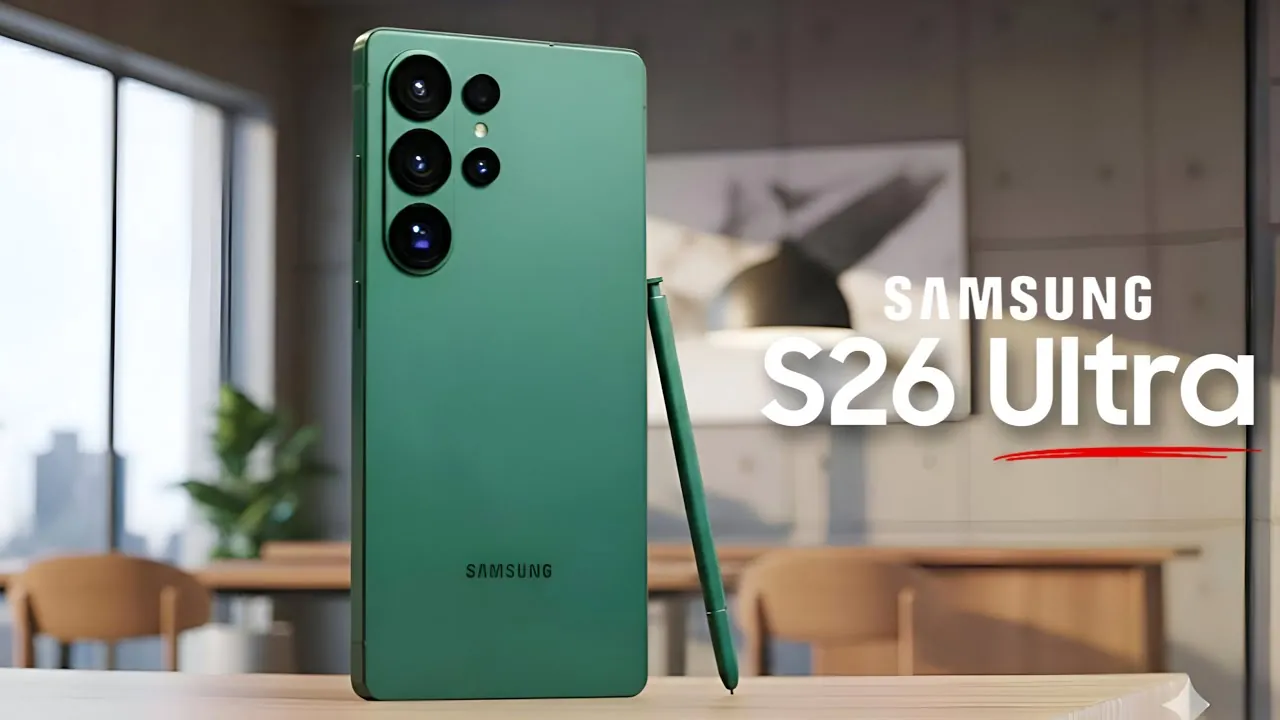
The Samsung Galaxy S26 Ultra emerges as one of the most highly anticipated flagship smartphones of 2025. With its striking orange color option and a calculated return to Exynos processors, Samsung is making deliberate moves to distinguish itself in the fiercely competitive smartphone market. This device combines innovative technology with bold design choices, sparking conversations about innovation, chipset strategies, and consumer expectations.

Bold Design Choices: A Statement or a Gamble?
The Galaxy S26 Ultra’s vibrant orange color option has already become a focal point of discussion, drawing comparisons to Apple’s orange iPhone 17 Pro Max. While Samsung has a history of experimenting with bold and unconventional colors, the timing of this release raises questions about its intent. Is it a confident statement of individuality, or a reaction to market trends?
Samsung’s design philosophy has long embraced diversity and innovation, often pushing boundaries beyond fleeting trends. The orange variant of the Galaxy S26 Ultra reflects a bold confidence, signaling a willingness to stand out in a saturated market. For you, this color choice offers a fresh and eye-catching alternative to more traditional options, though it may polarize opinions. Whether this design resonates with consumers or invites criticism, it undeniably positions Samsung as a brand unafraid to take risks and challenge conventions.
Chipset Strategy: A New Era for Samsung?
One of the most significant shifts in the Galaxy S26 Ultra is its dual-chipset strategy, which marks a pivotal moment for Samsung. Global models will feature the Exynos 2600 processor, signaling a return to Samsung’s in-house chipsets, while the Snapdragon 8 Elite Gen 5 will power devices in the US and China. This dual approach reflects Samsung’s effort to cater to regional market preferences while showcasing its advancements in semiconductor technology.
The Exynos 2600 represents a major step forward, boasting a 50% yield rate and integrating the AMD RDNA-based XClips 960 GPU. This collaboration with AMD has the potential to redefine mobile graphics performance, particularly in gaming and multimedia applications. For you, this means smoother gameplay, enhanced visual fidelity, and a more immersive multimedia experience. By addressing past criticisms of Exynos processors, Samsung aims to rebuild trust and demonstrate its ability to compete directly with Qualcomm’s Snapdragon lineup.
This chipset strategy also highlights Samsung’s ambition to regain a leadership position in the semiconductor industry. The success of the Exynos 2600 will be closely watched, as it could determine whether Samsung’s in-house processors can rival or even surpass the performance of third-party alternatives.
Performance and Build: Innovation Meets Reliability
The Galaxy S26 Ultra is designed to set new standards in both performance and build quality. With a thinner profile and the use of premium materials, the device strikes a balance between sleek aesthetics and robust durability. Samsung has paid particular attention to optimizing performance, making sure that both Exynos and Snapdragon variants deliver consistent and reliable experiences.
For you, this translates to a smartphone capable of handling demanding tasks with ease. Whether you’re engaging in resource-intensive gaming, multitasking across multiple applications, or capturing high-resolution photos and videos, the Galaxy S26 Ultra is engineered to perform without compromise. The integration of advanced cooling systems and power management features further enhances its reliability, ensuring sustained performance even during prolonged use.
Additionally, the device’s build quality reflects Samsung’s commitment to durability. The use of reinforced materials and precision engineering ensures that the Galaxy S26 Ultra can withstand the rigors of daily use while maintaining its premium look and feel.
Market Impact: A Strategic Play for Leadership
Samsung’s decisions with the Galaxy S26 Ultra could have far-reaching implications for its position in the global smartphone market. The bold orange color option and the return of Exynos processors highlight a willingness to innovate and take calculated risks. However, these choices also invite scrutiny, particularly if the Exynos variant fails to meet the high-performance expectations set by its Snapdragon counterpart.
In a market characterized by intense competition, particularly between Samsung and Apple, these moves are part of a broader strategy to differentiate the Galaxy S26 Ultra from its rivals. By focusing on bold design, advanced chipsets, and performance optimization, Samsung is positioning this device as a flagship model that stands out in a crowded field. For you, this means access to a smartphone that not only delivers innovative technology but also reflects a brand willing to push boundaries and challenge the status quo.
The success of the Galaxy S26 Ultra will ultimately depend on how well it resonates with consumers. If the device delivers on its promises of performance, design, and innovation, it could solidify Samsung’s position as a market leader. Conversely, any shortcomings could provide opportunities for competitors to gain ground.
Dive deeper into the Samsung Galaxy S26 Ultra with other articles and guides we have written below.
- Samsung Galaxy S26 Ultra: Privacy and Display Features
- Samsung Galaxy S26 Ultra Design and Performance
- Samsung Galaxy S26 Ultra Camera: Key Changes Explained
- Samsung Galaxy S26 Ultra: Camera, Design, and Performance
- Samsung Galaxy S26 Ultra Features and Rumored Specs
Source & Image Credit: Demon’s Tech
Disclosure: Some of our articles include affiliate links. If you buy something through one of these links, Geeky Gadgets may earn an affiliate commission. Learn about our Disclosure Policy.
