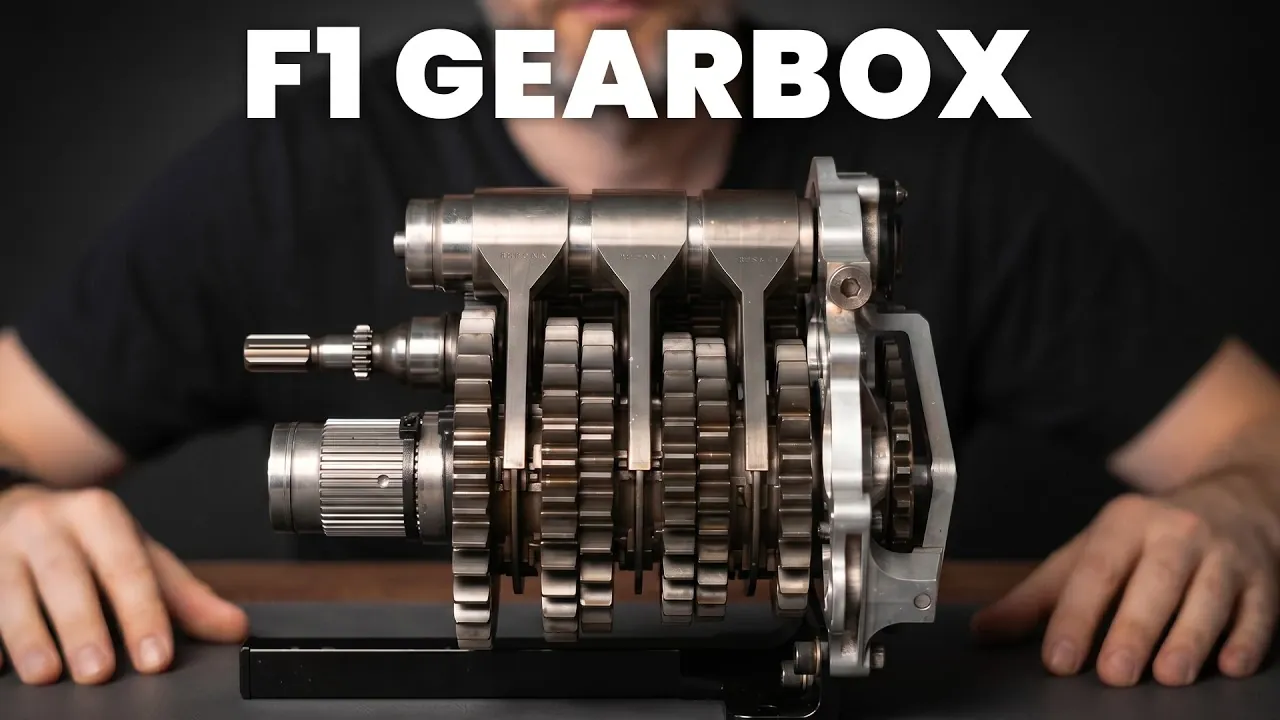
Formula 1 gearboxes represent a pinnacle of engineering, designed to meet the extreme demands of high-speed racing. As Driver61 explains, modern F1 gearboxes can perform gear changes in under 3 milliseconds, a feat made possible by dual selector barrels and advanced electronic control units. These systems maintain uninterrupted power delivery, which is crucial in a sport where even the smallest time loss can impact race outcomes.
Discover the evolution of these systems, from the challenges of early manual gear levers to the aerodynamic advantages of paddle shifters. Gain insight into how gearboxes are engineered to endure up to 10 races and the specific design choices that prioritize both speed and reliability. By examining these aspects, you’ll better understand the technical precision that underpins Formula 1 performance.
The Early Struggles of Manual Gearboxes
TL;DR Key Takeaways :
- Formula 1 gearboxes have evolved from manual systems to advanced, electronically controlled mechanisms, allowing near-instantaneous gear shifts and redefining motorsport engineering.
- The introduction of paddle shift systems in 1989 transformed F1, improving aerodynamics and driver control by eliminating traditional gear levers.
- Technological breakthroughs, such as seamless shift technology and advanced electronic control units, have made gearboxes faster, lighter and more reliable, enhancing performance and durability.
- Seamless shift technology eliminates power interruptions during gear changes, reducing lap times and boosting driver confidence through uninterrupted power delivery.
- Innovations in F1 gearboxes have influenced the broader automotive industry, with technologies like paddle shift systems now common in high-performance road vehicles.
In the formative years of Formula 1, manual gearboxes were the standard, requiring drivers to physically shift gears using a lever. While functional, these systems presented significant challenges:
- Drivers endured extreme physical strain, often suffering from fatigue and injuries, such as bleeding hands, during grueling races.
- The bulky design of gear lever linkages disrupted the car’s aerodynamics, limiting both speed and efficiency.
- Mechanical failures were frequent, jeopardizing race outcomes and driver safety.
These limitations underscored the urgent need for innovation, as teams sought to enhance both performance and reliability.
The Birth of Paddle Shift Systems
The path to modern gearboxes began in 1978 when Mauro Forghieri introduced a prototype for electronic gear shifting. However, concerns over reliability delayed its implementation. A pivotal moment came in 1989 when John Barnard, working with Ferrari, unveiled the first paddle shift system. This new design replaced the traditional gear lever with paddles mounted on the steering wheel, offering fantastic advantages:
- Improved aerodynamics by eliminating the bulky gear lever, allowing for sleeker car designs.
- Enhanced driver control, as the system enabled gear changes without removing hands from the steering wheel.
Ferrari’s first victory using this system marked a turning point, cementing paddle shift technology as a standard in Formula 1 and paving the way for further advancements.

Discover other guides from our vast content that could be of interest on design.
- Samsung’s Galaxy Z Fold 8 Wide May Finally Solve the Foldable’s Biggest Flaw
- Apple’s Bold New Look: How iOS 26.4 Changes Every Icon on Your iPhone
- iPhone Ultra Fold First Look: Apple Finally Went WIDE to Create the Ultimate Hybrid Device
- Why Apple’s OLED MacBook Pro Will Crush the Competition in 2026
- Samsung’s Pre-emptive Strike: New Galaxy Z Fold 8 Wide Design Beats the iPhone Fold to a Creaseless 4:3 Screen
- Apple Watch Ultra 4: Why 2026 Is Finally the Year for a Redesign
- The Galaxy S27 Ultra Camera Island is Gone: Samsung’s Sleekest Design in a Decade
- Claude Design for Beginners : Quick Start Guide 2026
- Claude Design Guide : Prototype Export to Figma and Canva
- Why Anthropic’s New Claude Design is Already Disrupting the UI/UX Industry
Technological Breakthroughs in Gearboxes
The transition from manual to electronically controlled gearboxes transformed Formula 1, introducing a host of technological innovations that redefined performance:
- Modern F1 gearboxes can execute gear shifts in under 3 milliseconds, using advanced selector barrel systems to streamline the process.
- Electronic control units (ECUs) ensure precise and efficient gear changes, seamlessly integrating with other car systems to optimize performance.
- Innovative designs have reduced weight and mechanical complexity, enhancing both speed and reliability.
These advancements have made gearboxes faster, lighter and more dependable, allowing teams to push the limits of engineering and performance.
Seamless Shift Technology and Its Impact
One of the most significant innovations in Formula 1 gearboxes is seamless shift technology, which eliminates power interruptions during gear changes. This system achieves its remarkable efficiency through key components:
- Dual selector barrels, which allow for smooth transitions between gears by momentarily engaging two gears simultaneously.
- Asymmetric dog ring designs, making sure precise engagement and disengagement without mechanical failure.
The result is a faster, smoother and more reliable shifting mechanism that not only improves lap times but also enhances driver confidence. By maintaining uninterrupted power delivery, seamless shift technology has become a cornerstone of modern Formula 1 performance.
Performance Gains and Durability
The integration of seamless shifting has delivered measurable performance gains in Formula 1:
- By eliminating power gaps during gear changes, it significantly reduces lap times, giving teams a competitive edge.
- Modern gearboxes are engineered to endure up to 10 races or approximately 5,000 kilometers, minimizing the risk of mechanical failures and reducing costs.
This combination of speed, reliability and durability underscores the gearbox’s critical role in competitive racing, where every millisecond counts.
Influence Beyond the Track
The technological advancements pioneered in Formula 1 gearboxes have extended far beyond the racetrack, influencing the broader automotive industry. Paddle shift systems, once exclusive to F1 cars, are now a common feature in high-performance road vehicles. This evolution reflects a broader trend in motorsport:
- Integrating innovative engineering to achieve optimal performance and efficiency.
- Balancing speed, safety and reliability through continuous innovation.
The gearbox stands as a testament to Formula 1’s relentless pursuit of progress, demonstrating how innovations in motorsport can drive advancements in everyday automotive technology.
The Legacy of Formula 1 Gearboxes
The evolution of Formula 1 gearboxes, from the labor-intensive manual systems of the past to the seamless, electronically controlled mechanisms of today, illustrates the sport’s unwavering commitment to engineering excellence. By overcoming early challenges and embracing new technologies, Formula 1 has not only enhanced its own competitive landscape but also influenced the broader world of automotive design. As the sport continues to push the boundaries of what is possible, the gearbox remains a symbol of ingenuity, embodying the relentless drive for innovation that defines Formula 1.
Media Credit: Driver61
Disclosure: Some of our articles include affiliate links. If you buy something through one of these links, Geeky Gadgets may earn an affiliate commission. Learn about our Disclosure Policy.
