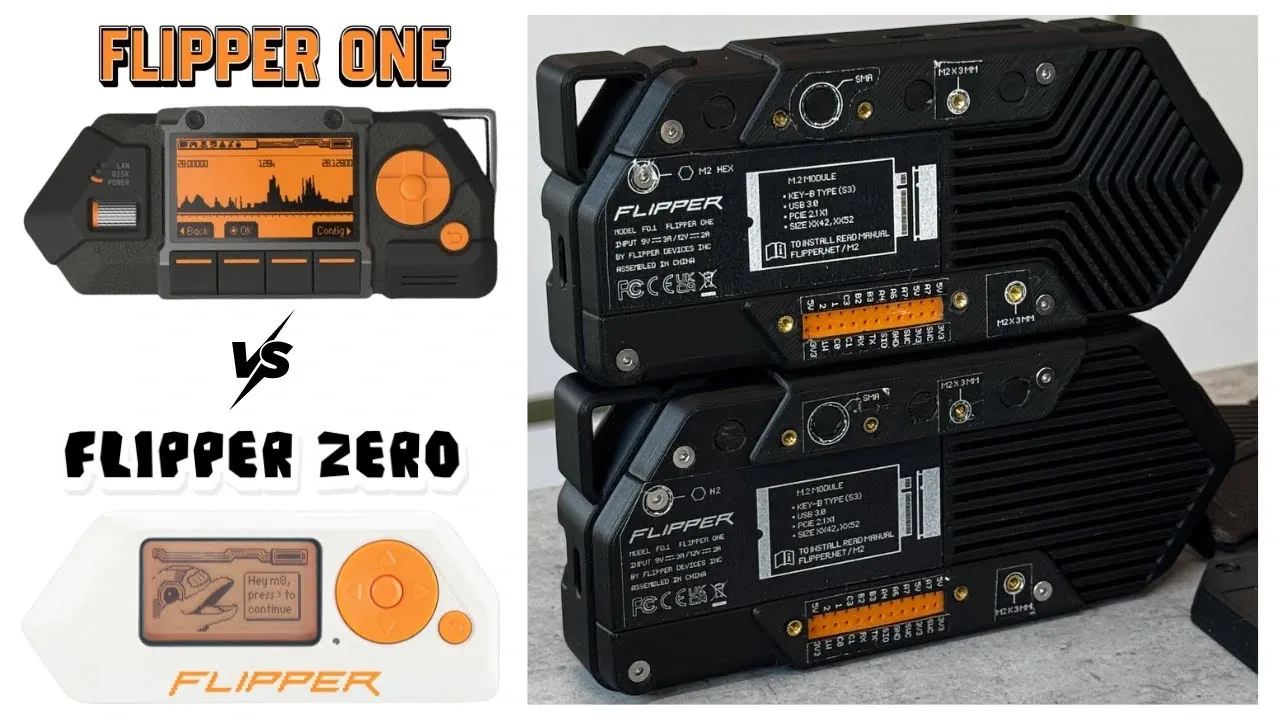
Is the Flipper One the future of portable tech experimentation, or is it simply a niche upgrade to the beloved Flipper Zero? With its powerful ARM processor, modular hardware expansion, and Linux-based operating system, the Flipper One promises to push the boundaries of what a compact device can achieve. But for fans of the Flipper Zero’s simplicity and portability, this new iteration raises questions: does more complexity mean a better experience? Or does the Flipper One risk alienating the very community that made its predecessor a success? These are the debates sparking excitement, and some division, among tech enthusiasts, engineers, and developers alike.
In this exploration, JBlanked unpacks what makes the Flipper One a fantastic option for power users, while also considering how it stacks up against the Flipper Zero’s more accessible design. From its built-in Wi-Fi and Ethernet connectivity to its M.2 slot for hardware expansion, the Flipper One introduces features that could redefine how professionals approach hardware and software tasks. But does this leap in functionality come at the cost of the Zero’s charm and ease of use? Whether you’re a hobbyist or a seasoned developer, this perspective will help you decide which device aligns with your needs, or if there’s room for both in your toolkit. After all, innovation isn’t just about what’s new; it’s about finding the right tool for the job.
What’s New in the Flipper One?
TL;DR Key Takeaways :
- The Flipper One is a successor to the Flipper Zero, offering enhanced modularity, improved processing power, and expanded connectivity options, making it ideal for power users and professionals.
- Key features of the Flipper One include built-in Wi-Fi and Ethernet connectivity, an M.2 slot for hardware expansion, a powerful ARM-based processor running Linux, and a 24-pin GPIO header for advanced prototyping and hardware interaction.
- The Flipper Zero is designed for beginners and hobbyists, focusing on simplicity, portability, and radio exploration, while the Flipper One caters to engineers and developers requiring a flexible, high-performance platform.
- The Flipper One is still in early development with no confirmed release date or pricing, but it follows an open source, community-driven model to encourage innovation and collaboration.
- Both devices serve distinct purposes: the Flipper Zero is a compact tool for exploring radio technologies, while the Flipper One is a professional-grade device for advanced hardware and software tasks, complementing rather than replacing each other.
The Flipper One introduces a suite of advanced features that significantly expand its capabilities compared to the Flipper Zero. These enhancements are designed to meet the needs of users requiring greater flexibility and computational power. Key features include:
- Wi-Fi and Ethernet Connectivity: The inclusion of built-in Wi-Fi and an Ethernet/LAN port enables seamless networking, making the device suitable for tasks that demand high-speed data transfer and remote access capabilities.
- Modular Hardware Expansion: An M.2 slot with USB 3.0 and PCIe 2.1 support allows users to integrate additional hardware components, such as software-defined radios (SDRs) or LTE modems, for specialized applications in fields like telecommunications and signal analysis.
- ARM-Based Processor: A powerful ARM processor capable of running a full Linux operating system provides the computational resources necessary for professional-grade tasks, including software development and hardware prototyping.
- GPIO Header: A 24-pin GPIO header supports multiple voltage inputs, allowing advanced prototyping, hardware interaction, and integration with custom electronic projects.
These features highlight the Flipper One’s focus on providing a robust, customizable platform for users engaged in professional or research-oriented projects. Its modular design and Linux-based tools make it a versatile choice for tackling complex hardware and software challenges.
How Does It Compare to the Flipper Zero?
The Flipper Zero and Flipper One are designed to serve different purposes, with each excelling in its respective domain. While the Flipper Zero is celebrated for its simplicity and portability, the Flipper One prioritizes advanced functionality and customization.
- Flipper Zero: This compact, all-in-one device is tailored for radio exploration and experimentation. It supports sub-GHz frequencies, NFC, RFID, and infrared communication, making it an excellent choice for beginners and hobbyists. Its intuitive firmware, long battery life, and lightweight design enhance its portability and ease of use.
- Flipper One: In contrast, the Flipper One is built for power users who require greater modularity and processing power. While it lacks the built-in radios of the Flipper Zero, it compensates with support for external hardware via its M.2 slot and GPIO header. Its Linux-based operating system and networking capabilities make it a professional-grade tool for advanced software development and hardware interaction.
In essence, the Flipper Zero is ideal for those starting out in radio technologies or seeking a portable, user-friendly device, while the Flipper One caters to experienced users who need a flexible, high-performance platform for more demanding tasks.
Flipper One vs Flipper Zero

Unlock more potential in cybersecurity by reading previous articles we have written.
- The Hidden Dangers of AI: Insights From Cybersecurity Expert
- KAOS Jammer cybersecurity hacking USB drive
- How Quantum Computing is Transforming AI and Cybersecurity
- AI Hacker Dominates HackerOne: What It Means for Cybersecurity
- WiFi Pineapple Pager: Retro Design Meets Modern Cybersecurity
- Build a Powerful Cybersecurity Tool With a Raspberry Pi Zero
- How AI Is Transforming Cybersecurity and OSINT Problem Solving
- US Government Might Ban TP-Link Devices Over Security Risks
- Deeper Connect Mini decentralized VPN
Who Are These Devices For?
The Flipper Zero and Flipper One are designed with distinct user groups in mind, making sure that each device meets the specific needs of its target audience.
- Flipper Zero: This device is perfect for hobbyists, students, and beginners interested in exploring radio technologies. Its straightforward design and focus on specific functionalities make it accessible and easy to use, even for those with limited technical experience.
- Flipper One: The Flipper One is aimed at engineers, researchers, and developers who require a flexible platform for complex hardware interaction and software-based tasks. Its modular design, Linux operating system, and support for external hardware provide the adaptability needed for professional-grade projects.
Both devices emphasize ethical and legal use, making sure they remain tools for responsible innovation and exploration. Whether you are a novice experimenting with radio frequencies or a professional developing advanced hardware solutions, these devices offer tailored features to suit your needs.
Development Status and Community Involvement
The Flipper One is currently in its early development stages, with no confirmed release date or pricing as of October 2025. However, it is expected to follow the same open source, community-driven model that contributed to the success of the Flipper Zero. This approach fosters innovation and collaboration, allowing users to contribute to firmware updates, share project ideas, and develop custom applications.
The open source nature of both devices ensures that they remain adaptable to evolving user needs and technological advancements. This community-driven model not only enhances the functionality of the devices but also encourages responsible and creative use.
The Unique Roles of Flipper Zero and Flipper One
The Flipper Zero and Flipper One are not competitors but complementary tools designed to address different use cases. The Flipper Zero excels as a compact, beginner-friendly device for exploring radio technologies, while the Flipper One provides a versatile, professional-grade platform for advanced hardware interaction and software development.
Whether you are a hobbyist delving into the world of radio frequencies or a professional tackling complex engineering challenges, these devices offer unique opportunities to engage with modern technology. By catering to distinct audiences, the Flipper Zero and Flipper One demonstrate the potential for innovation and creativity in the realm of hardware and software tools.
Media Credit: JBlanked
Disclosure: Some of our articles include affiliate links. If you buy something through one of these links, Geeky Gadgets may earn an affiliate commission. Learn about our Disclosure Policy.
