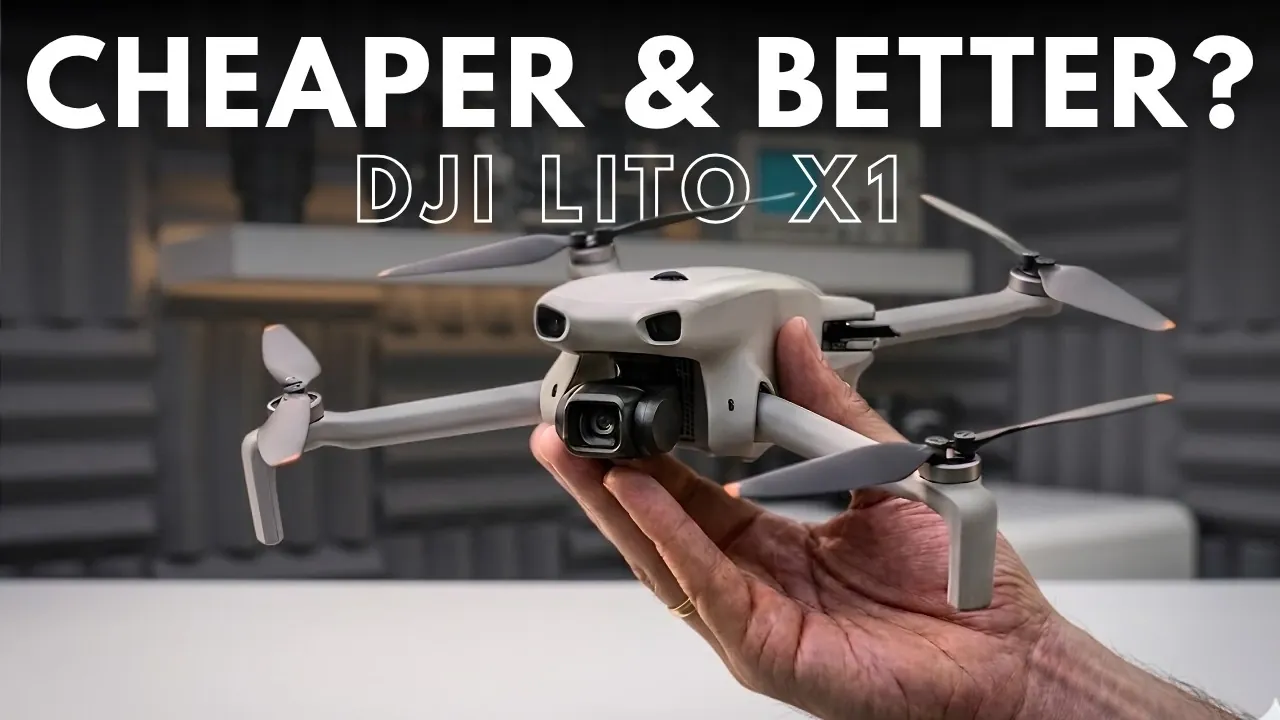
The DJI Lito X1 and Mini 5 Pro may look similar on paper, but their differences become evident when you dig into their design and intended use. As Tech Court explains, both drones share impressive features like 4K video recording, 10-bit color support and omnidirectional obstacle detection, all packed into lightweight frames under 250 grams. However, the Mini 5 Pro’s hardware-based obstacle avoidance and 1-inch camera sensor cater to professionals seeking precision and image quality, while the Lito X1’s software-driven systems and smaller sensor offer a cost-effective solution for hobbyists and casual creators.
In this breakdown, you’ll gain insight into how each drone handles obstacle detection, with the Lito X1’s software occasionally outperforming the Mini 5 Pro in dense environments. You’ll also explore the trade-offs in camera performance, from the Mini 5 Pro’s superior dynamic range to the Lito X1’s approachable quality for everyday use. Finally, discover how features like vertical video and subject tracking reflect the distinct priorities of these drones, helping you decide which option aligns best with your needs.
Shared Features: What They Have in Common
TL;DR Key Takeaways :
- The DJI Lito X1 and Mini 5 Pro share advanced features like 4K video recording, 10-bit color, 42GB internal storage, omnidirectional obstacle avoidance and a lightweight design under 250 grams, but differ significantly in price and target audience.
- The Mini 5 Pro uses hardware-based obstacle avoidance with multiple sensors for precise detection, while the Lito X1 relies on a software-driven system with a fisheye camera, offering surprising performance in dense environments but less reliability in professional scenarios.
- The Mini 5 Pro features a superior 1-inch camera sensor for professional-grade image quality, while the Lito X1’s smaller 1/1.3-inch sensor is better suited for casual users and social media content creation.
- For vertical video, the Mini 5 Pro uses physical sensor rotation for full resolution, whereas the Lito X1 employs digital cropping, which reduces resolution but remains effective for casual use.
- The Lito X1 is ideal for hobbyists and first-time buyers due to its affordability and sufficient performance, while the Mini 5 Pro caters to professionals with its advanced features, superior camera quality and premium build.
Both drones are designed to meet the needs of modern users, packing advanced features into lightweight frames under 250 grams. This weight classification ensures compliance with most global drone regulations, making them accessible to a wide range of users. Here are the key features they share:
- 4K video recording: Both drones support 100 fps recording, with some regional variations offering higher frame rates.
- 10-bit color: DLOG-M support enables professional-grade color grading for cinematic results.
- Internal storage: Each drone includes 42GB of internal storage, expandable via microSD cards for additional capacity.
- Obstacle avoidance: Both feature omnidirectional obstacle detection systems, including low-light detection capabilities (LAR).
- Flight time: Rated at 36 minutes, though real-world usage typically averages between 25 and 28 minutes.
- Wind resistance and speed: Both perform reliably in moderate wind conditions, making sure stable flight and consistent performance.
While these shared features make both drones appealing, their execution of these capabilities reveals significant differences, particularly in obstacle avoidance and camera quality.
Obstacle Avoidance: Hardware vs Software Approaches
One of the most notable distinctions between the two drones lies in their approach to obstacle avoidance.
The Mini 5 Pro employs a hardware-based system with multiple dedicated sensors positioned forward, rearward and downward. This setup provides precise and reliable obstacle detection, making it particularly effective in complex environments. Professionals who require consistent performance in challenging scenarios will find this system invaluable.
In contrast, the Lito X1 adopts a software-driven approach, using a single upward-facing fisheye camera combined with advanced processing algorithms. This design reduces both weight and cost while still delivering effective obstacle avoidance. Surprisingly, the Lito X1’s software-based system occasionally outperforms the Mini 5 Pro in dense environments, showcasing the potential of optimized software solutions. However, it may not match the Mini 5 Pro’s reliability in highly intricate or professional settings.

Here are more guides from our previous articles and guides related to drones that you may find helpful.
- 8+ Big drones capable of carrying large payloads and heavy equipment
- Solar 42 cinematic ambient drone synthesizer
- DJI Neo palm-sized drone with auto follow technology
- DJI Neo 2 Review: Camera Quality, Gimbal, and Flight Modes Explored
- DJI Avata 360 vs Antigravity A1: Complete 2026 Drone Comparison
- DJI Lito X1 Launch : Beta Units & Retail Packaging Revealed
- Big Drones Capable Of Carrying Large Payloads.Webp
- DJI Avata 360 Review: Testing Video Quality & Battery Life
- Meet the DJI Lito : a Drone Built for Absolute Beginners
- DJI Addresses Neo 2 Flaws With New Drone Prototype
Camera Quality: Where the Differences Become Clear
The most significant divergence between the Lito X1 and Mini 5 Pro lies in their camera systems, which cater to different user needs and expectations.
- Mini 5 Pro: Equipped with a 1-inch sensor, this drone excels in dynamic range, low-light performance and high-contrast scenes. It is ideal for professional filmmakers and photographers who require detailed, high-quality footage for commercial or creative projects.
- Lito X1: Features a smaller 1/1.3-inch sensor, which performs well in standard lighting conditions but struggles with overexposure and shadow detail in challenging environments. For casual users or social media creators, this level of performance is often sufficient, especially for non-professional applications.
The Mini 5 Pro’s superior sensor makes it the clear choice for users who prioritize image quality, while the Lito X1 offers a more accessible option for those with less demanding requirements.
Vertical Video: Physical Rotation vs Digital Cropping
Vertical video has become a crucial feature for social media creators and both drones address this need in different ways.
The Mini 5 Pro offers native vertical video through physical sensor rotation, making sure full resolution for platforms like Instagram and TikTok. This approach maintains image quality and is particularly beneficial for professional content creators.
The Lito X1, on the other hand, achieves vertical video through digital cropping. While this method reduces resolution, it remains effective for casual content creation and is sufficient for most social media applications. However, users seeking the highest quality vertical video may find the Mini 5 Pro’s solution more appealing.
Tracking Capabilities: Different Strengths
Both drones offer subject-tracking features, but their methods and performance vary.
- Lito X1: Utilizes its fisheye-based obstacle avoidance system to maintain subject lock, even in dense environments. In some scenarios, it outperforms the Mini 5 Pro, particularly when tracking moving subjects in cluttered areas.
- Mini 5 Pro: While generally reliable, it can occasionally lose tracking in environments with complex obstacles. However, its overall performance remains robust, especially in open or moderately cluttered spaces.
These differences highlight the Lito X1’s surprising capability in certain situations, though the Mini 5 Pro’s tracking system is more consistent overall.
Target Audiences: Who Should Choose Which Drone?
The Lito X1 and Mini 5 Pro are designed for distinct user groups, each with specific needs and priorities:
- Lito X1: Best suited for hobbyists, first-time buyers and social media creators. Its affordability, lightweight design and sufficient performance make it an excellent choice for casual use, travel and content creation where professional-grade image quality is not essential.
- Mini 5 Pro: Tailored for professionals and filmmakers. Its superior camera quality, dynamic range and native vertical video capabilities make it ideal for commercial projects, creative endeavors and challenging lighting conditions.
Your choice between these two drones will depend on your specific requirements and how you plan to use them.
Understanding the Price Gap
The price difference between the Lito X1 and Mini 5 Pro reflects their respective target markets and engineering priorities. The Lito X1 represents DJI’s effort to deliver capable performance at an entry-level price, focusing on efficient design and software optimization. Meanwhile, the Mini 5 Pro justifies its premium cost with advanced features, superior camera quality and hardware-based systems that cater to professionals who demand the best.
Ultimately, both drones offer excellent value within their respective categories, making them strong contenders for users with different needs and budgets.
Media Credit: Tech Court
Disclosure: Some of our articles include affiliate links. If you buy something through one of these links, Geeky Gadgets may earn an affiliate commission. Learn about our Disclosure Policy.
