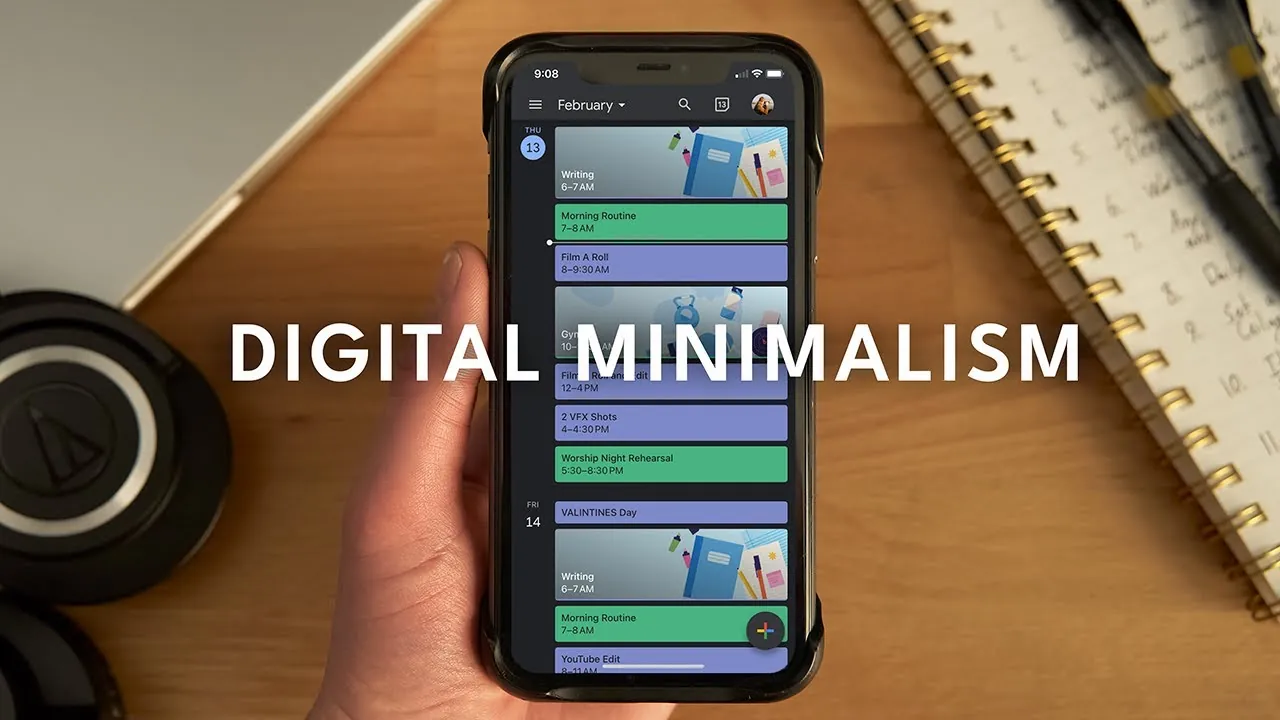
In a world where technology increasingly dominates your time and attention, digital minimalism provides a practical framework to reclaim focus and align your digital habits with your core values. By intentionally managing your devices, social media, and data, you can reduce distractions and use technology as a tool for productivity and well-being, rather than a source of stress or overwhelm. This approach by Nick Houchin enables you to regain control and prioritize what truly matters in your life.
What Is Digital Minimalism?
TL;DR Key Takeaways :
- Digital minimalism emphasizes intentional technology use to align digital habits with personal values, reducing distractions and stress.
- Key strategies include optimizing your smartphone, curating social media use, and using wearable technology to enhance productivity and well-being.
- Organizing your digital workspace through desktop decluttering and streamlined file management improves efficiency and focus.
- Protecting your data with the 3-2-1 backup method ensures security and accessibility, using a mix of local and cloud storage solutions.
- Regularly reassessing digital habits and decluttering files helps maintain a streamlined, meaningful, and goal-oriented digital environment.
Digital minimalism is a philosophy centered on the intentional use of technology. Instead of allowing devices and platforms to dictate your day, you take charge of when and how you engage with them. This approach emphasizes using technology to support your personal, professional, and relational goals while eliminating distractions that do not serve your priorities. By aligning your digital habits with your values, you can focus on meaningful activities and reduce the noise that often accompanies modern digital life.
This concept is not about rejecting technology but about redefining its role in your life. It encourages you to evaluate whether your digital tools enhance your productivity, relationships, and well-being or detract from them. Through this intentional approach, you can create a healthier, more balanced relationship with technology.
Steps to Simplify Your Digital Life
Adopting digital minimalism begins with small, deliberate changes. These strategies can help you streamline your digital environment and foster a more intentional relationship with technology:
- Optimize Your Smartphone: Your smartphone is often the primary source of distraction. Simplify its setup by allowing grayscale mode to reduce visual stimulation and removing non-essential apps. Retain only tools that serve a clear purpose, such as calendars, to-do lists, or navigation apps. Turn off non-critical notifications to minimize interruptions, transforming your phone into a productivity tool rather than a constant source of distraction.
- Curate Social Media Use: Social media can be both beneficial and overwhelming. Identify which platforms align with your goals and limit your engagement accordingly. For instance, use Facebook for practical purposes like staying connected with groups or events, and restrict Instagram to desktop use to avoid mindless scrolling. Thoughtful management of social media fosters meaningful interactions and reduces time spent on unproductive activities.
- Use Wearable Technology: Devices like smartwatches can help you stay connected without relying heavily on your phone. Use them to track fitness, monitor sleep, or receive essential notifications. This approach reduces screen time while making sure you remain informed and focused on your priorities.
How to Organize Your Digital Life more Effectively

Here are additional guides from our expansive article library that you may find useful on Digital minimalism.
- What is Digital Minimalism and why is it important?
- Minimalist iPhone 16e setup for distraction-free living
- The Ultimate iOS 18 Minimalist iPhone Setup
- How to Delete Multiple iPhone Contacts (Video)
- The Ultimate Guide to a Minimalist MacBook Setup for Productivity
- Swiss Website Design explained – simple, minimalist efficiency
- How to Set Up Your New Mac For Optimal Performance
- Apple Notes vs Notion: Why Minimalism Wins for Task Management
- How to Create a Minimalist iPhone Setup with iOS 17
- The 2025 Learn to Become an Interior Designer Bundle | StackSocial
Organizing Your Digital Workspace
A cluttered digital environment can hinder your productivity and focus. By organizing your digital workspace, you can create a more efficient and stress-free environment. Consider these steps to optimize your setup:
- Declutter Your Desktop: A clean desktop promotes focus and reduces mental clutter. Organize files into clearly labeled folders and remove unnecessary shortcuts. Disable desktop notifications to maintain uninterrupted focus during work sessions.
- Streamline File Management: Use cloud storage solutions like Google Drive or Dropbox for everyday tasks, making sure easy access to important files. For larger projects, such as video editing or data-heavy tasks, consider using external hard drives or enterprise-level servers. This approach keeps your workspace tidy and ensures your files are organized and accessible.
Protecting and Managing Your Data
Data security is a critical aspect of digital minimalism. A robust backup strategy can safeguard your information and prevent data loss. The 3-2-1 backup method is a reliable approach to ensure your data remains secure:
- Maintain three copies of your data.
- Store them on two different types of media, such as an external hard drive and cloud storage.
- Keep one copy offsite to protect against physical damage or theft.
For smaller files, solid-state drives (SSDs) offer fast and reliable storage, while spinning hard drives are well-suited for larger data needs. Cloud services like Backblaze, Google Drive, or Dropbox provide convenient offsite backup options. This layered strategy ensures your data is both secure and easily retrievable when needed.
Decluttering and Reassessing Digital Files
Over time, digital clutter can accumulate, making it harder to stay organized and focused. Regularly reviewing and decluttering your digital files is essential for maintaining a streamlined environment. Delete duplicate photos, outdated documents, and unnecessary downloads. Retain only files that are meaningful or essential to your work or personal life. This practice not only saves storage space but also reduces mental clutter, allowing you to focus on what truly matters.
Additionally, consider organizing your files into a logical folder structure. For example, group documents by project or category, and use consistent naming conventions to make files easier to locate. This proactive approach simplifies your digital life and enhances your overall productivity.
Evaluating Social Media’s Role in Your Life
Social media platforms can be both a source of connection and a significant distraction. Regularly reassess your relationship with these platforms to ensure they align with your goals and values. For instance, Facebook may serve practical purposes like staying connected with family or participating in hobby groups, while Instagram might feel less essential. YouTube, on the other hand, often stands out as a platform that supports both learning and creativity.
By evaluating the role of social media in your life, you can identify which platforms add value and which detract from your well-being. This intentional approach helps you foster meaningful connections and reduce time spent on activities that do not align with your priorities.
Building a Sustainable Digital Minimalism Practice
Digital minimalism is not a one-time effort but an ongoing process that requires regular reflection and adjustment. As your needs and priorities evolve, so should your approach to technology. Periodically evaluate your digital habits to ensure they continue to support your goals and values.
By adopting intentional technology use, simplifying your devices, and organizing your digital environment, you can create a healthier relationship with technology. These strategies empower you to regain control, reduce stress, and focus on what truly matters, allowing you to lead a more balanced and fulfilling life.
Media Credit: Nick Houchin
Disclosure: Some of our articles include affiliate links. If you buy something through one of these links, Geeky Gadgets may earn an affiliate commission. Learn about our Disclosure Policy.
