From room-by-room cooling to geolocation-powered automation, Della Smart Mini Split is helping homeowners create a more customized comfort experience.
Most homes do not need the same temperature in every room all day. A bedroom may need cooler temperatures for sleeping, a home office may require comfort throughout the workday, and an empty guest room may not need cooling at all.
That is where the Della Smart Mini Split feels different from a traditional HVAC setup. Instead of treating the entire house as a single climate zone, it offers room-by-room temperature control while adding smart features such as app management and geolocation-based automation. After spending time exploring how these features work, it became clear that the appeal goes beyond cooling alone.
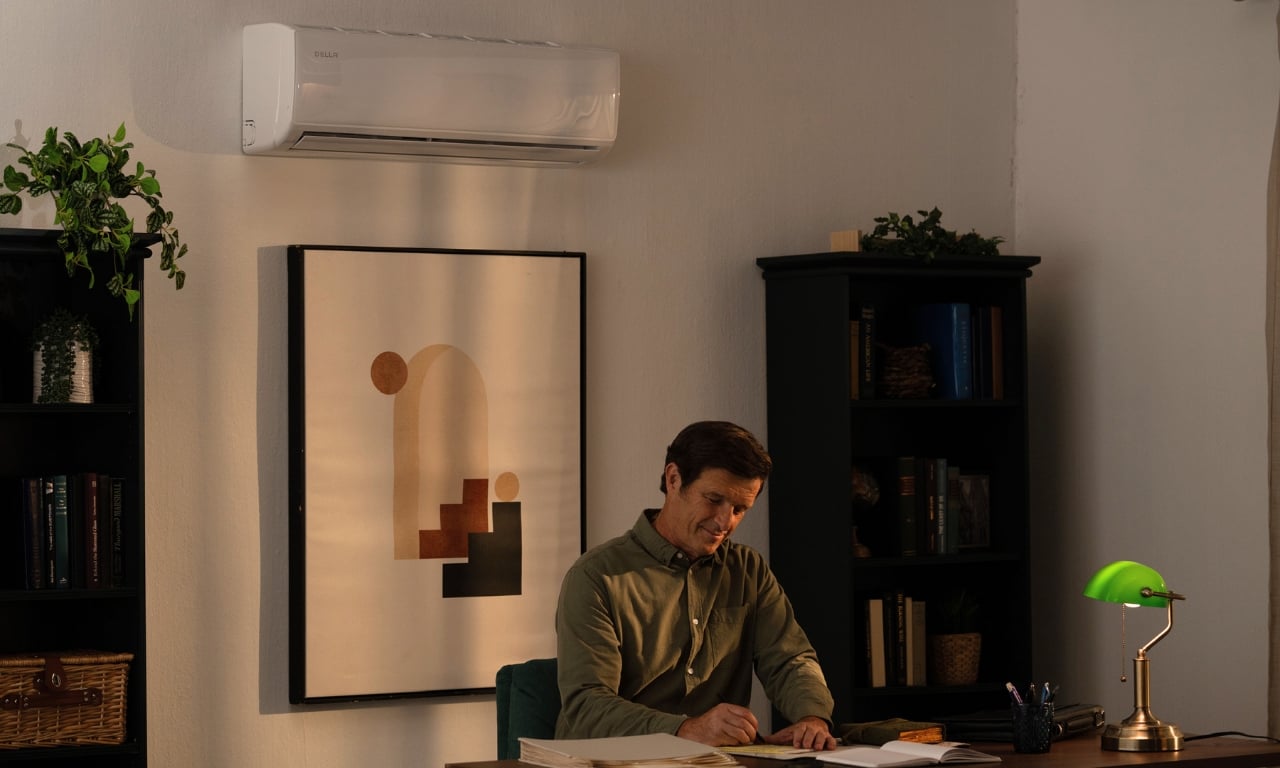
Why Room-by-Room Comfort Matters
The way people use their homes has changed. Remote work, flexible schedules, and multi-purpose living spaces mean that different rooms often serve different functions throughout the day.
Traditional HVAC systems were designed to maintain a consistent temperature across an entire home. But for many households, comfort is no longer just about keeping a home warm in winter or cool in summer. It is increasingly about matching temperature settings to how spaces are actually used.
This is one reason ductless mini split systems have become increasingly popular. They allow homeowners to control temperatures independently across different rooms or zones. According to the U.S. Department of Energy, duct losses in traditional forced-air systems can account for more than 30% of energy consumption for space conditioning. Because ductless mini splits deliver conditioned air directly into the room, they avoid these losses while offering greater flexibility in how comfort is managed.
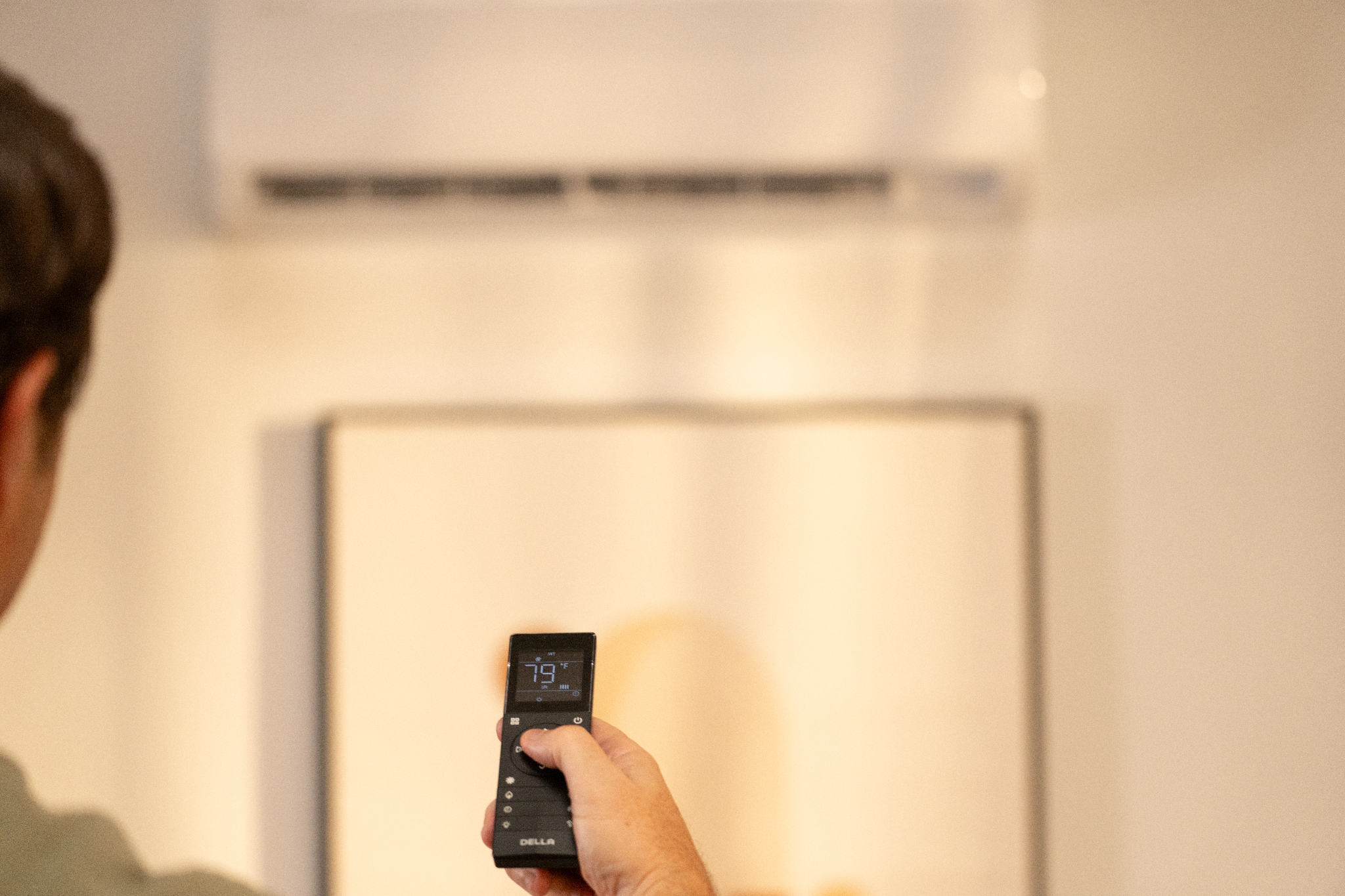
What the Della Smart Mini Split Does Differently
One thing that surprised me was how often I ended up using features other than cooling itself.
During a particularly humid stretch of weather, the dehumidification mode often made the room feel more comfortable without needing to lower the temperature further. Sleep Mode also proved useful at night, reducing the need to make temperature adjustments before bed.
The built-in smart sensor helped maintain a more consistent feel throughout the day. Rather than constantly checking settings, I found myself interacting with the system less often than expected.
The mobile app played an important role as well. Being able to make adjustments remotely was convenient, but more importantly, it made features such as scheduling and geolocation practical enough to use on a daily basis.
How geolocation works in real life
One feature that stood out during testing was geolocation. Once enabled, the Della Smart Mini Split can use a smartphone’s location to help automate temperature adjustments based on whether residents are home or away.
In practice, the experience feels fairly natural. For example, cooling can begin before arriving home after work, while the system can reduce unnecessary operation when the house is empty. For homeowners with predictable routines, this can make comfort feel more automatic without requiring constant adjustments through the app.
Like many smart home features, geolocation works best when everything is configured properly. During testing, keeping location access enabled and avoiding aggressive battery-saving settings helped the automation perform more consistently. Once set up, however, it quickly became one of those features that faded into the background and simply did its job.
What I Liked
The biggest strength of the Della Smart Mini Split is flexibility. Being able to control temperatures room by room feels noticeably different from relying on a single thermostat for the entire home.
The mobile app also makes day-to-day adjustments straightforward. Whether changing temperatures, creating schedules, or checking settings remotely, most common tasks can be handled without needing to interact directly with the indoor unit.
Geolocation was another highlight. Once configured, it added a level of automation that made the system feel more responsive to daily routines, particularly when leaving and returning home.
Compared with a traditional whole-home HVAC setup, the overall experience feels more personalized and better suited to the way many people use their homes today.
What to Know Before Using It
To get the most from geolocation, location access should remain enabled on the connected smartphone. Like many smart home automations, the feature relies on phone settings to operate consistently.
Battery-saving modes and other background app restrictions can also affect automation performance. Spending a few minutes reviewing these settings during setup can help avoid unnecessary troubleshooting later.
The Della Smart Mini Split is likely to appeal most to homeowners looking for zoned comfort and greater control over individual rooms. As with many smart home products, it may take a few days of real-world use to fine-tune schedules, geofence settings, and automation preferences.
Final Verdict
After spending time with the Della Smart Mini Split, the biggest takeaway was how much easier it made managing comfort throughout the home. Beyond energy-efficient cooling and heating, features such as zoned temperature control, app-based management, and geolocation automation help create a more personalized experience from day to day.
For homeowners looking for greater flexibility than a traditional HVAC system can provide, the combination of room-by-room control and smart functionality is where the system stands out. While geolocation and automation require a bit of setup, once everything is configured, the Della Smart Mini Split feels less like an appliance that needs constant adjustment and more like a system that quietly works around your routine.
Disclosure: Some of our articles include affiliate links. If you buy something through one of these links, Geeky Gadgets may earn an affiliate commission. Learn about our Disclosure Policy.
