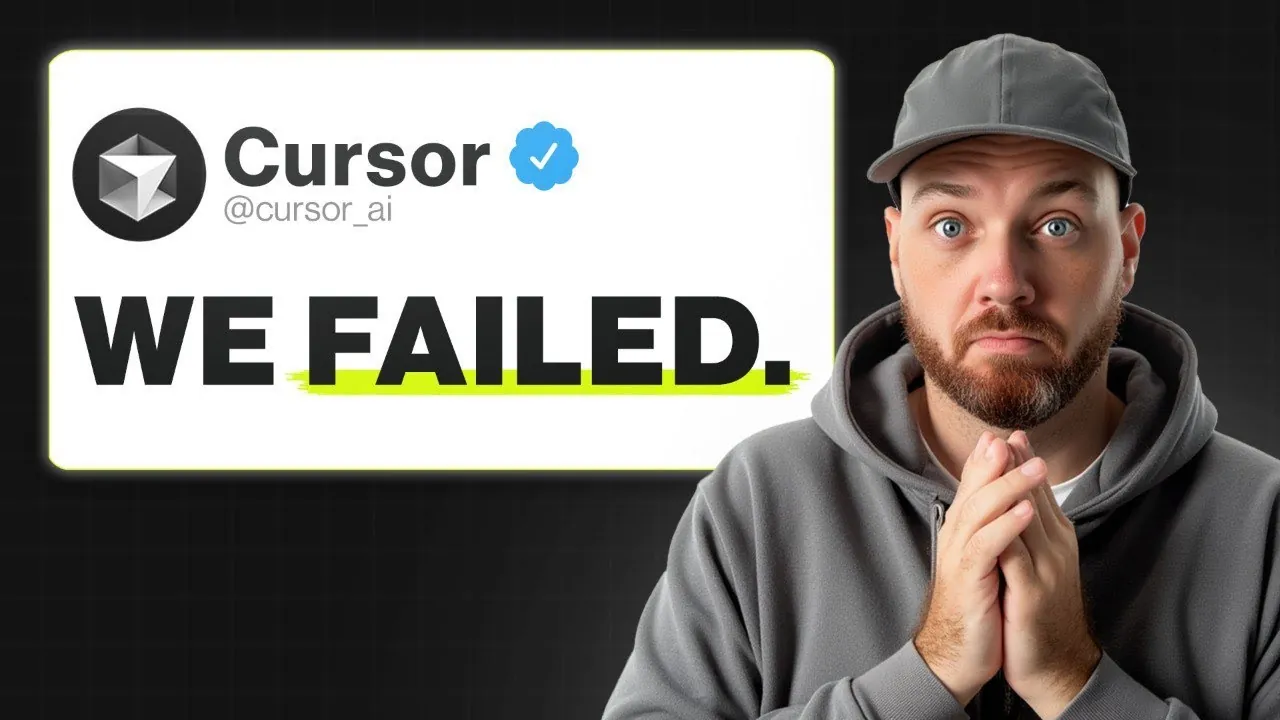
What happens when a tool designed to simplify your workflow suddenly becomes more complex? That’s the question many Cursor AI users are grappling with following the platform’s latest update. Once celebrated for its straightforward pricing and user-friendly approach, Cursor AI has introduced a new usage-based pricing model that’s as ambitious as it is polarizing. While the company touts this change as a step toward sustainability and scalability, many users are left questioning whether the trade-off is worth it. With concerns over transparency, value, and the loss of control over AI model selection, the update has sparked a heated debate about what users should expect from their AI tools—and whether Cursor can still deliver on its promise of simplicity.
In this overview, Robin Ebers unpacks the implications of Cursor AI’s pricing overhaul and explore what it means for both casual users and power users alike. From the introduction of “auto mode” to the competitive pressures posed by rivals like Claude Code, this update is more than just a pricing shift—it’s a reflection of the growing pains many AI platforms face as they scale. Whether you’re curious about how these changes might impact your workflow or looking to understand the broader trends shaping the AI landscape, this analysis will provide the insights you need to navigate the evolving world of Cursor AI. After all, when innovation meets friction, the real story lies in how companies adapt—and how users respond.
Cursor AI Pricing Changes
Cursor explains more “We recognize that we didn’t handle this pricing rollout well, and we’re sorry. Our communication was not clear enough and came as a surprise to many of you. We’re improving how we communicate future pricing changes. We are offering usage refunds for those with unexpected usage between June 16 and July 4. Please contact pro-pricing@cursor.com if you had a surprise usage bill and the team will work as fast as possible to get you a full refund.”
TL;DR Key Takeaways :
- Cursor AI has transitioned from a fixed-rate pricing model to a tiered, usage-based structure with three plans: Pro ($20/month), Pro Plus ($60/month), and Ultra ($200/month), aiming for sustainability and scalability.
- The new pricing model introduces “auto mode,” which dynamically selects AI models for cost-efficiency but limits user control over specific model preferences, causing frustration among some users.
- User concerns center around transparency, value, and predictability, with dissatisfaction stemming from unclear communication and restricted access to preferred AI models like Claude 4.
- Cursor has taken steps to address user concerns, including updating documentation, providing usage summaries, and offering refunds for unexpected charges during the transition.
- Competitive pressures from rivals like Claude Code, which offers simpler pricing and unrestricted model access, highlight the need for Cursor to balance cost-effectiveness with user satisfaction and flexibility.
From Simplicity to Complexity: The New Pricing Model
Cursor AI’s previous pricing model was simple and predictable, offering users a $20/month plan that included 500 fast requests and unlimited slower requests. This structure was particularly appealing to users seeking affordability and ease of use. However, the company determined that this model was financially unsustainable in the long term. As a result, Cursor introduced a tiered, usage-based pricing system with three distinct plans:
- Pro ($20/month): An entry-level plan with limited usage, suitable for casual users.
- Pro Plus ($60/month): A mid-tier option offering expanded features and higher usage limits.
- Ultra ($200/month): A premium plan designed for heavy users, providing the most included usage.
A key feature of the new model is “auto mode,” which dynamically selects AI models based on availability and cost-efficiency. While this feature allows for unlimited usage within certain parameters, it also imposes restrictions on users who prefer specific models, such as Claude 4. These limitations, coupled with additional charges for model-specific usage, have caused frustration among users accustomed to greater control and predictability.
User Concerns: Transparency and Value
The transition to the new pricing structure has been met with mixed reactions, with many users expressing concerns about clarity and value. The introduction of “auto mode” has been particularly contentious, as some users find its functionality and limitations difficult to understand. Additionally, the new model’s rate limits and restricted access to preferred AI models have led to perceptions of diminished value compared to the previous plan.
In response to these concerns, Cursor has acknowledged its shortcomings in communication and taken steps to improve transparency. These measures include:
- Updating documentation to provide a clearer explanation of the new pricing structure.
- Introducing a subscription usage summary to help users monitor their consumption more effectively.
- Offering refunds to users who experienced unexpected charges during the transition.
While these efforts aim to rebuild trust, dissatisfaction persists among some users, particularly those who feel the new pricing model undermines the predictability and flexibility they previously enjoyed.
Cursor AI update

Explore further guides and articles from our vast library that you may find relevant to your interests in Cursor AI Pricing Changes.
- Cursor vs Bolt vs Replit vs v0 AI Coding Showdown
- Windsurf vs Cursor : What’s the Best AI Coding Assistant?
- AI Powered App Prototyping: Master the Cursor and Replit Combo
- Cursor AI Code Editor 0.43 Update: Features and Benefits
- Save Money and Build Better AI Apps with Cursor and WindSurf
- Learn Cursor AI Coding : Features, Modes & Benefits Explained
- Beginner’s Guide to Using Cursor AI Agents for Developers
- AI Coding Tools Tested: Cursor vs Cline Performance Review
- Boost AI Coding IDE Performance with These Proven Techniques
- How Cursor and Claude Are Developing AI Coding Tools Together
Competitive Pressures: How Cursor Stacks Up Against Claude Code
Cursor’s pricing overhaul has inevitably drawn comparisons to competitors like Claude Code, which continues to offer a more straightforward pricing approach. For example, Claude Code’s Max plans provide unrestricted access to specific models, such as Claude 4, and deliver better throughput for users who prioritize performance and model specificity.
In contrast, Cursor’s reliance on “auto mode” limits user control over model selection. While the Ultra plan offers significant usage at a competitive price, it may not appeal to users who value flexibility and predictability over cost-efficiency. For these users, Claude Code presents a compelling alternative.
However, Cursor’s offerings remain attractive to users who can adapt to the constraints of “auto mode” and prioritize cost-effectiveness over model preference. The choice between Cursor and its competitors ultimately depends on individual user needs, including their usage patterns and priorities.
Balancing Financial Viability with User Satisfaction
Cursor AI’s pricing overhaul reflects a broader effort to balance its operational costs with the demands of its user base. By encouraging users to adopt “auto mode,” the company aims to optimize resource allocation and ensure long-term sustainability. However, this approach has alienated some users who feel the new structure sacrifices the flexibility and predictability they valued in the previous model.
To navigate this tension, Cursor must focus on improving its communication and enhancing transparency. The company has already taken steps in this direction, but further investment in user-centric features and clearer messaging will be critical to regaining trust. Additionally, Cursor must remain attentive to the competitive landscape, making sure its pricing model aligns with both its operational goals and the evolving needs of its diverse user base.
Cursor’s ability to strike this balance will play a pivotal role in determining its future success. By addressing user concerns and refining its offerings, the company has the opportunity to maintain its competitive edge while fostering a more satisfied and loyal customer base.
Media Credit: Robin Ebers
Disclosure: Some of our articles include affiliate links. If you buy something through one of these links, Geeky Gadgets may earn an affiliate commission. Learn about our Disclosure Policy.
