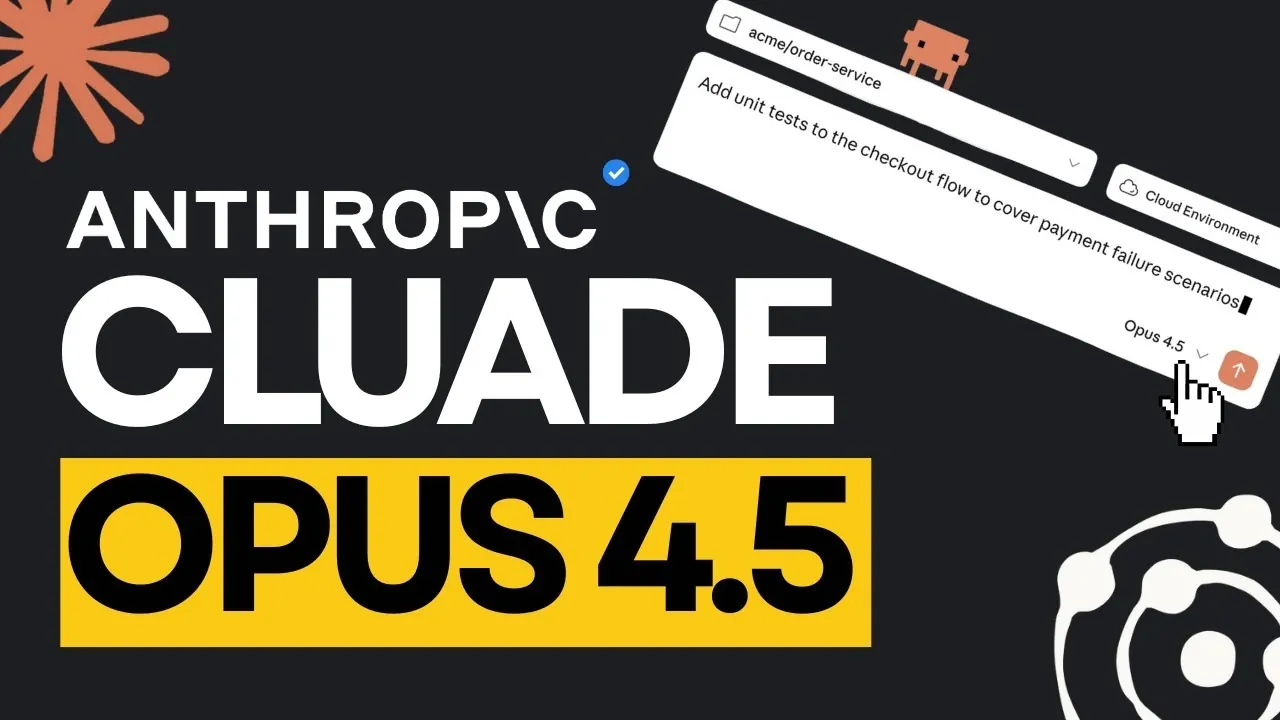
What happens when two of the most advanced AI models go head-to-head in the race to redefine developer productivity? In one corner, we have Claude Opus 4.5, a powerhouse from Entropic, boasting innovative features like advanced tool use and effort control. In the other, Gemini 3 Pro, a model celebrated for its refined outputs and exceptional reasoning capabilities. Both promise to transform workflows, but their strengths, and weaknesses, paint a more nuanced picture. For developers navigating the ever-evolving landscape of AI tools, choosing the right model could mean the difference between seamless efficiency and frustrating bottlenecks. So, which one truly delivers on its promises?
In the video below Universe of AI dives deep into the performance benchmarks, innovative features, and critical trade-offs of these two AI titans. You’ll uncover how Claude Opus 4.5 excels in technical tasks like coding and agentic tool use, while Gemini 3 Pro shines in areas like advanced reasoning and polished design outputs. But there’s more to the story than just numbers, this comparison also explores how each model aligns with different project goals, from cost-effective scalability to creative ideation. By the end, you’ll have a clearer sense of which tool is best suited to your unique needs. After all, in a world of endless possibilities, the right choice can be fantastic.
Claude Opus 4.5 Overview
TL;DR Key Takeaways :
- Claude Opus 4.5 excels in coding and technical tasks, achieving high benchmarks in software engineering (80.9%), agentic tool use (88.9%), and computer use (66.3%), making it a reliable tool for developers.
- It introduces innovative features like advanced tool use for efficient problem-solving and effort control for balancing speed, cost, and reasoning depth, enhancing productivity and resource management.
- Despite its strengths, Claude Opus 4.5 has limitations in graduate-level reasoning, visual reasoning, and multilingual Q&A, where competitors like Gemini 3 Pro and GPT 5.1 perform better.
- Efficiency gains are a standout feature, with Claude Opus 4.5 achieving high performance while using significantly fewer tokens, making it cost-effective and scalable for large-scale projects.
- While ideal for technical and creative tasks, it may not be the best choice for projects requiring advanced reasoning, polished outputs, or multilingual expertise, where alternatives like Gemini 3 Pro excel.
Performance Benchmarks: Where Claude Opus 4.5 Shines
Claude Opus 4.5 demonstrates exceptional performance in coding and technical tasks, setting itself apart in several key benchmarks:
- Software Engineering: Achieved an impressive 80.9%, outperforming competitors such as Sonnet 4.5 (77.2%), Gemini 3 Pro (mid-70s), and GPT 5.1 (76.3%-77.9%).
- Agentic Tool Use: Scored 88.9%, surpassing Gemini 3 Pro’s 85.3%, showcasing its ability to handle complex tool-based tasks effectively.
- Computer Use: Registered a solid 66.3%, reinforcing its reliability for terminal-based operations and technical workflows.
These results highlight Claude Opus 4.5’s ability to deliver precise, high-quality outputs for demanding coding challenges. For developers, this translates into a tool that not only understands your needs but also enhances productivity by streamlining workflows and reducing errors.
Areas for Improvement: Where Gemini 3 Pro and GPT 5.1 Excel
While Claude Opus 4.5 excels in many areas, it does have limitations that may influence its suitability for certain projects:
- Graduate-Level Reasoning: Gemini 3 Pro leads with a score of 91.9%, compared to Claude Opus 4.5’s 87%, making it a better choice for tasks requiring advanced logical analysis.
- Visual Reasoning: GPT 5.1 outperforms Claude Opus 4.5 with 85.4% versus 80.7%, indicating stronger capabilities in interpreting and generating visual data.
- Multilingual Q&A: Gemini 3 Pro edges ahead with 91.8%, while Claude Opus 4.5 scores 90.8%, suggesting a slight gap in handling diverse linguistic contexts.
These differences suggest that while Claude Opus 4.5 is a powerful tool for technical and coding tasks, it may not be the optimal choice for projects requiring advanced reasoning, visual interpretation, or multilingual expertise. If your work involves these areas, Gemini 3 Pro or GPT 5.1 might better align with your needs.
Claude Opus 4.5 VS Gemini 3.0!
Here are more detailed guides and articles that you may find helpful on Claude Opus.
- ChatGPT 5 vs Claude Opus 4.1: AI Coding Assistant Comparison
- New Claude Opus 4.1 : Advanced AI Features You Need to Know
- HRM vs Claude OPUS 4: How a Small AI Model Outperformed a
- How to Build AI Agents Without Coding Using Claude Opus 4
- Claude Opus 4.5: Coding Gains, Bug Fixes, and Faster Decisions
- Claude Opus 4.5 Pricing & Performance : Anthropic’s Most Efficient
- ChatGPT 5 vs Gemini Pro vs Claude Opus 4.1 vs Grok
- Beginners Guide to using Claude Pro : Opus AI Model
- GPT-5 Pro vs Grok 4 Heavy vs Claude 4.1 Opus vs Gemini 2.5 Pro
- ChatGPT 5 vs Claude 4.1 Opus : AI Writing Skills Compared
Feature Comparison: Creativity vs. Refinement
When tested on a creative task, such as designing a futuristic app called “Dreamweaver,” Claude Opus 4.5 showcased imaginative outputs but lacked the refinement seen in Gemini 3 Pro’s results. Gemini 3 Pro excelled in producing polished UI mockups and coherent onboarding flows, delivering visually appealing and user-friendly designs. In contrast, while Claude Opus 4.5’s outputs were creative, they fell short in terms of usability and professional presentation.
This comparison underscores the importance of aligning your tool choice with your project goals. If your focus is on creativity and ideation, Claude Opus 4.5 may be a strong contender. However, for projects requiring polished, professional outputs, Gemini 3 Pro offers a more refined solution.
New Features in Claude Opus 4.5: Enhancing Productivity
Claude Opus 4.5 introduces two standout features designed to improve workflow efficiency and resource management:
- Advanced Tool Use: This feature dynamically retrieves the necessary tools for a task, reducing context bloat and enhancing problem-solving efficiency. By eliminating unnecessary distractions, it allows you to focus on the core aspects of your work.
- Effort Control: An adjustable slider enables you to balance speed, cost, and reasoning depth. This feature ensures higher accuracy with fewer tokens, offering a cost-effective solution for resource-intensive projects.
These innovations position Claude Opus 4.5 as a forward-thinking model, particularly for developers seeking smarter handling of computational resources and streamlined workflows.
Efficiency Gains: Cost-Effective and Scalable
One of the most notable achievements of Claude Opus 4.5 is its computational efficiency, which directly translates to cost savings and scalability. At medium effort, it matches Sonnet 4.5’s best coding score while using 76% fewer tokens. At high effort, it surpasses Sonnet 4.5 with approximately half the token usage. These efficiency gains make it an attractive option for developers focused on reducing operational costs and accelerating project timelines.
For developers managing large-scale projects or working within tight budgets, these efficiency improvements can significantly enhance both productivity and scalability, making sure that resources are used effectively without compromising on quality.
Implications for Developers
Claude Opus 4.5 offers a compelling mix of innovation and practicality, making it a valuable tool for developers seeking to optimize their workflows. Its advanced tool use and effort control features enhance scalability and accuracy, while its strong performance in agentic coding and terminal use ensures reliability for complex technical tasks. However, its limitations in graduate-level reasoning, visual reasoning, and multilingual Q&A suggest that it may not yet be the ideal solution for every scenario.
By understanding the strengths and limitations of Claude Opus 4.5, you can make informed decisions about how to integrate it into your workflow. Whether your priority is efficiency, creativity, or scalability, this model offers unique capabilities that can help you achieve your project goals.
Media Credit: Universe of AI
Disclosure: Some of our articles include affiliate links. If you buy something through one of these links, Geeky Gadgets may earn an affiliate commission. Learn about our Disclosure Policy.
