![[ALT 37] Key skills required for modern backend engineers, including cloud and AI expertise](https://www.geeky-gadgets.com/wp-content/uploads/2025/10/img-53-backend-engineering-career-trends-2025_optimized.webp)
What if everything you thought you knew about backend engineering was no longer enough? Picture this: a world where backend engineers are no longer just the unseen architects of code but the driving force behind scalable, secure, and intelligent systems. The truth is, the role of backend engineering has undergone a seismic shift. Today’s engineers are expected to master not just programming, but also cloud platforms, real-time data processing, and even artificial intelligence integration. The days of simply maintaining databases and APIs are over, backend engineering has become a dynamic, high-stakes field where adaptability is the key to survival. If you’re still relying on yesterday’s playbook, you might already be falling behind.
In this exploration, Eric Roby explains how backend engineering has evolved into a multifaceted discipline that blends technical expertise with strategic foresight. You’ll learn about the expanded scope of responsibilities, from designing scalable systems to navigating the complexities of microservices and CI/CD pipelines. We’ll also dive into the emerging trends reshaping the field, such as AI-driven automation and enhanced security protocols. Whether you’re a seasoned engineer or just starting your journey, understanding these changes is crucial to staying relevant in a rapidly shifting landscape. So, what does it take to thrive in this new era of backend engineering? Let’s unpack the skills, tools, and mindsets that define the future of this essential profession.
Backend Engineering Evolution
TL;DR Key Takeaways :
- Backend engineering has expanded beyond traditional coding to include scalable system design, infrastructure management, CI/CD pipelines, and system reliability, with cloud platform expertise being essential.
- Employers now prioritize backend engineers with technical expertise, problem-solving skills, cloud and security knowledge, and strong soft skills like communication and teamwork.
- Key technical skills for backend engineers include programming languages (e.g., Python, Java), database management, API development, cloud platforms, and version control tools like Git.
- Emerging trends shaping backend engineering include AI integration, microservices architecture, real-time data processing, and enhanced security measures.
- Backend engineering offers diverse career paths, including technical, management, and architecture tracks, with opportunities in specialized fields like data engineering and AI integration.
The Expanding Scope of Backend Engineering
The role of backend engineers has grown far beyond its traditional focus on building and maintaining the systems that power applications. While tasks like managing data storage, allowing user interactions, and making sure application functionality remain central, modern backend engineering now demands expertise in areas such as:
- Scalable System Design: Creating systems that can handle increasing user demands without compromising performance.
- Infrastructure as Code: Using tools like Terraform and containerization platforms such as Docker to streamline infrastructure management.
- CI/CD Pipelines: Building and maintaining continuous integration and deployment pipelines to enable faster, more reliable software releases.
- System Reliability: Using monitoring tools and implementing robust security practices to ensure uptime and protect sensitive data.
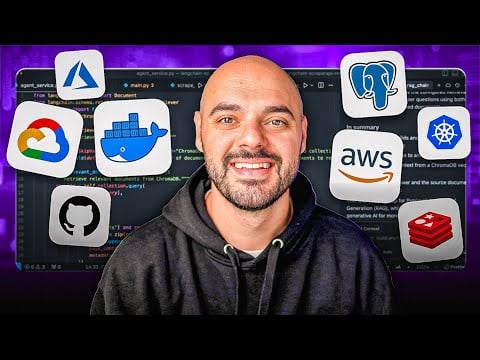
Additionally, proficiency in cloud platforms such as AWS, Google Cloud, or Azure has become a critical skill. These platforms enable efficient application deployment, cost optimization, and scalability. As backend systems grow more intricate, your ability to adapt to these tools and methodologies is essential for success.
What Employers Expect from Backend Engineers
Backend engineering remains a cornerstone of software development, with companies relying on engineers to ensure system stability and performance. However, hiring standards have become more stringent, with employers seeking candidates who demonstrate:
- Technical Expertise: Proficiency in modern programming languages, frameworks, and tools.
- Problem-Solving Skills: The ability to address complex challenges in distributed systems and infrastructure.
- Cloud and Security Knowledge: A deep understanding of cloud technologies, security protocols, and best practices for protecting systems and data.
Equally important are soft skills such as effective communication, teamwork, and project ownership. Employers value engineers who can collaborate across teams, articulate technical concepts clearly, and take initiative in solving problems. These qualities are vital for navigating the complexities of backend engineering and driving organizational success.
AI, Cloud, and Real-Time Data: The New Era of Backend Engineering
Check out more relevant guides from our extensive collection on Backend Engineering that you might find useful.
- 17 Essential Python Libraries for AI Engineers in 2025
- How to install Open Devin AI Software Engineer on Windows
- Intel Quantum Computing SDK released
- How to Build an AI Video-to-Video Application with Gemini 2.5 Pro
- Build Wheatley from Portal 2 : Real-Time Conversational AI
- Update on The New iPhone Phishing Scam
- The Deep Learning and Artificial Intelligence Introductory Bundle
- Why AI Super Prompts May Be Losing Their Edge in 2025
- Top AI Tools for Developers in 2025
- How to start building AI Agents in 2024
Key Skills for Success in Backend Engineering
To thrive in backend engineering, you need a well-rounded skill set that combines technical proficiency with strategic thinking. Core technical skills include:
- Programming Languages: Expertise in backend languages such as Python, Java, Go, or Ruby.
- Database Management: Experience with SQL databases like PostgreSQL and NoSQL options like MongoDB or Cassandra.
- API Development: Building and maintaining APIs to enable seamless communication between systems and services.
- Cloud Platforms: Familiarity with deploying, scaling, and managing applications on AWS, Google Cloud, or Azure.
- Version Control: Proficiency in tools like Git to manage and track code changes effectively.
Beyond these technical skills, expertise in system design, debugging, and monitoring tools is crucial for building reliable and scalable systems. Developing these competencies will position you as a valuable contributor in the field of backend engineering.
Emerging Trends Shaping Backend Engineering
The future of backend engineering is being shaped by several key trends that are redefining how systems are built and maintained. Staying informed about these developments will help you remain competitive and adaptable:
- AI Integration: Designing systems that incorporate artificial intelligence for automation, data analysis, and decision-making.
- Microservices Architecture: Transitioning from monolithic systems to microservices for improved scalability and flexibility.
- Real-Time Data Processing: Building event-driven architectures to support instant responses and automation.
- Enhanced Security: Addressing challenges related to data protection, system vulnerabilities, and compliance with privacy regulations.
These trends highlight the importance of continuous learning and adaptability. By staying ahead of these changes, you can position yourself as a forward-thinking engineer capable of tackling the challenges of tomorrow.
Overcoming Challenges in Backend Engineering
Backend engineering presents unique challenges, from managing complex systems to keeping pace with rapidly evolving technologies. To overcome these obstacles and succeed in your role:
- Commit to Lifelong Learning: Stay updated on industry advancements and emerging tools.
- Break Down Complexity: Simplify problem-solving by dividing large systems into smaller, manageable components.
- Build a Support Network: Collaborate with peers and mentors to exchange knowledge and gain insights.
By addressing these challenges proactively, you can build a rewarding career while contributing to innovative and impactful projects.
Exploring Career Paths in Backend Engineering
Backend engineering offers diverse career opportunities, allowing you to align your professional growth with your interests and goals. Common career paths include:
- Technical Track: Progress from junior to senior roles, focusing on hands-on development and technical expertise.
- Management Track: Transition into leadership roles such as engineering manager or director, overseeing teams and projects.
- Architecture Track: Specialize in designing large-scale systems and collaborating across teams to implement solutions.
You can also explore specialized fields like data engineering, machine learning, or AI integration. These areas are gaining prominence as organizations seek to use advanced technologies to maintain a competitive edge.
Thriving in a Dynamic Field
Backend engineering has evolved into a multifaceted discipline that offers opportunities to solve complex problems, design scalable systems, and work with innovative technologies. While the role demands a diverse skill set and a commitment to continuous learning, it remains a stable and rewarding career path. By mastering essential skills, staying informed about industry trends, and embracing challenges, you can thrive in this ever-changing landscape and make a meaningful impact in the world of technology.
Media Credit: Eric Roby
Disclosure: Some of our articles include affiliate links. If you buy something through one of these links, Geeky Gadgets may earn an affiliate commission. Learn about our Disclosure Policy.
