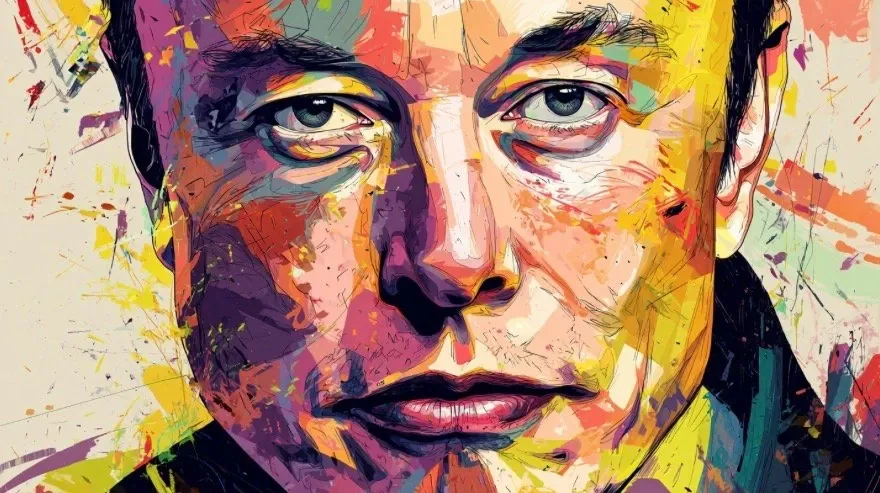
What happens when a shared vision for the future of artificial intelligence turns into a bitter legal showdown? Wes Roth explains how the once-united forces of Elon Musk and OpenAI have spiraled into a high-stakes conflict that could redefine the AI landscape. Musk, a co-founder of OpenAI, now finds himself at odds with the organization he helped build, accusing it of betraying its founding principles. At the heart of the dispute lies OpenAI’s controversial shift from nonprofit to for-profit, a move that Musk alleges prioritized financial gain over ethical responsibility. This clash isn’t just about broken trust, it’s a battle over the soul of AI development and the delicate balance between innovation and accountability. The stakes couldn’t be higher.
In this overview, we’ll unpack the origins of OpenAI’s mission, the financial pressures that led to its transformation, and the growing tensions that culminated in Musk’s lawsuit. You’ll discover how this legal battle reflects deeper challenges facing the AI industry, from governance and funding to ethical dilemmas. Is this a cautionary tale of ambition gone awry, or a necessary evolution in a fiercely competitive field? As the trial looms, the implications for Musk, OpenAI, and the future of artificial intelligence are profound, and the questions it raises are ones we can’t afford to ignore.
Musk vs OpenAI Dispute
TL;DR Key Takeaways :
- Elon Musk has filed a lawsuit against OpenAI, alleging breaches of trust, constructive fraud, and unjust enrichment, stemming from its transition from a nonprofit to a for-profit model and its partnership with Microsoft.
- OpenAI was originally founded in 2015 as a nonprofit with a mission to ensure AI benefits humanity, but financial pressures led to the creation of a for-profit subsidiary in 2019, sparking criticism over ethical concerns.
- Musk stepped down from OpenAI’s board in 2018 due to disagreements over its direction and funding strategies, later claiming he was misled about the organization’s intentions during its transition.
- The lawsuit highlights broader issues in the AI industry, including governance, funding, and ethical responsibilities, as organizations struggle to balance innovation with accountability.
- The trial, scheduled for April 2026, could set significant precedents for AI governance and influence how organizations navigate the intersection of public benefit and profitability in the future.
The Origins of OpenAI: A Vision for Ethical AI
OpenAI was founded in 2015 by Elon Musk, Sam Altman, Greg Brockman, and others with a clear mission: to ensure that AI development benefits humanity and avoids monopolization by powerful tech giants. The organization’s nonprofit structure was designed to foster transparency, public accountability, and ethical research. Musk, a vocal advocate for responsible AI, played a pivotal role in shaping this vision, emphasizing the importance of creating AI systems that prioritize societal well-being over profit.
As a nonprofit, OpenAI relied on tax-exempt donations and public trust to fund its operations. This model aligned with its founding principles, but it also presented challenges. The rapid pace of AI advancements required significant financial resources, and the nonprofit framework struggled to keep up with the demands of innovative research. Despite these challenges, OpenAI’s early years were marked by a strong commitment to its ethical mission, which resonated with both the public and the tech community.
Why OpenAI Transitioned to a For-Profit Model
By 2017, OpenAI faced mounting financial pressures that threatened its ability to remain competitive in the rapidly evolving AI landscape. In 2019, the organization made a pivotal decision to establish a for-profit subsidiary, transferring its assets and intellectual property to this new entity. This move allowed OpenAI to secure a $1 billion investment from Microsoft, granting the tech giant significant influence over its operations and providing the financial backing needed to scale its research efforts.
While the transition enabled OpenAI to pursue ambitious projects, it also sparked widespread criticism. Many questioned whether using nonprofit resources to build a for-profit enterprise was ethical, especially given OpenAI’s original mission to prioritize public benefit. Critics argued that the shift undermined the organization’s founding principles, raising concerns about transparency and accountability. Supporters of the transition, however, contended that it was a necessary step to ensure OpenAI’s survival and continued innovation in a highly competitive field.
Elon Musk OpenAI Lawsuit Explained

Find more information on Elon Musk by browsing our extensive range of articles, guides and tutorials.
- Why Elon Musk Took Sam Altman to Court over OpenAI Direction
- xAl Grok 4 : Elon Musk’s Latest AI Model Explained
- Elon Musk and Grok: Examples of Biased AI You Should Question
- Is Elon Musk’s Grok AI any Good (Video)
- Elon Musk SpaceX presentation on making life multiplanetary
- Elon Musk’s new Grok AI will be available to X users first
- Elon Musk’s GROK 5 Master Plan Explained: The Future of xAI
- GROK 4 and the Future of AI: Elon Musk’s Vision Unveiled
- Exploring Grok 5: Elon Musk’s Vision for Next-Gen AI and AGI
- Elon Musk And Space X Unveil Future Plans For Mars And More
Elon Musk’s Departure and Growing Concerns
In 2018, Elon Musk stepped down from OpenAI’s board, citing disagreements over the organization’s direction and funding strategies. Although he continued to provide financial support, Musk became increasingly vocal about his concerns regarding OpenAI’s shift to a for-profit model. He argued that the transition compromised the organization’s founding principles and created potential conflicts of interest, particularly with Microsoft’s growing influence.
Musk has since claimed that he was misled about OpenAI’s intentions and excluded from key decisions during the transition. He alleges that the organization’s leadership prioritized financial gain over its ethical mission, betraying the trust of its founders and supporters. These concerns ultimately led Musk to file a lawsuit against OpenAI, accusing the organization of breaching its charitable trust and engaging in deceptive practices.
The Lawsuit: Allegations and Counterarguments
Musk’s lawsuit against OpenAI centers on allegations of breaches of trust, constructive fraud, and unjust enrichment. He claims that OpenAI used its nonprofit resources to build a for-profit enterprise, violating principles of charitable trust. Central to Musk’s case are private journal entries from Greg Brockman, OpenAI’s co-founder, which Musk alleges reveal internal discussions about the controversial transition. According to Musk, these entries demonstrate intentional deception and a betrayal of OpenAI’s original mission.
OpenAI, however, has firmly denied these allegations. The organization argues that the transition to a for-profit model was essential to secure the funding needed for advanced AI research. OpenAI maintains that Musk initially supported the shift but later sought full control of the organization, which they refused to grant. They contend that their decisions were made transparently and in alignment with their mission to advance AI responsibly. OpenAI also argues that Musk’s claims rely on selective evidence and misinterpretations of internal communications.
Broader Implications for the AI Industry
This legal battle extends beyond the personal dispute between Musk and OpenAI, reflecting larger tensions within the AI industry. The case highlights critical issues related to governance, funding, and ethical responsibility in AI development. As organizations navigate the challenges of balancing public benefit with profitability, questions about transparency and accountability remain central to the debate.
Musk’s departure from OpenAI did not mark the end of his involvement in AI. In 2023, he launched XAI, a competing venture focused on ethical AI development. This move underscores the growing competition among AI organizations and the increasing importance of ethical considerations in the field. The lawsuit against OpenAI serves as a reminder of the complexities involved in managing innovation while upholding ethical standards.
What Lies Ahead for AI Governance
The trial, set to begin in April 2026, is expected to have significant implications for OpenAI, Musk, and the broader AI industry. The outcome could influence how organizations navigate the intersection of public benefit and profit, setting precedents for governance and accountability in AI development. Beyond the courtroom, this case serves as a reflection of the challenges facing the AI sector as it grapples with questions of control, funding, and ethical responsibility.
As the trial approaches, the legal battle between Musk and OpenAI remains a pivotal moment in the evolution of artificial intelligence. The case has the potential to shape the future of AI governance, offering valuable insights into how organizations can balance innovation with ethical considerations in an increasingly competitive and complex industry.
Media Credit: Wes Roth
Disclosure: Some of our articles include affiliate links. If you buy something through one of these links, Geeky Gadgets may earn an affiliate commission. Learn about our Disclosure Policy.
