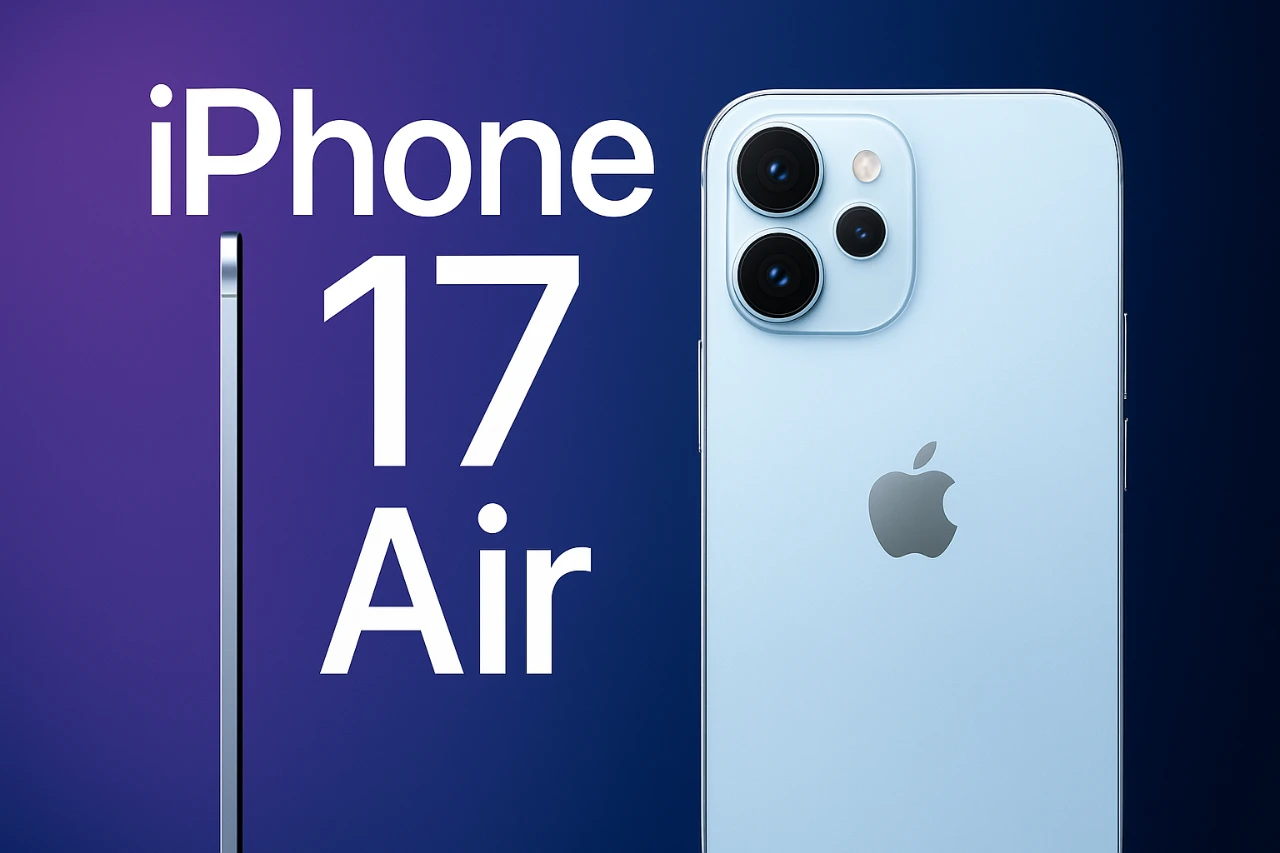
The iPhone 17 Air represents a significant milestone in Apple’s ongoing evolution of smartphone technology. By combining advanced performance capabilities with a refined design, it aims to cater to a broad spectrum of users. Powered by the innovative A19 Pro chip and equipped with 12 GB of RAM, the device promises enhanced speed and seamless multitasking. However, some design decisions, such as the adoption of an aluminum body and the inclusion of a 5-core GPU, have sparked discussions about their implications for performance and durability. Below is an in-depth analysis of the iPhone 17 Air and how it compares to its Pro counterparts in a new video from Jaime Rivera.

Core Features and Technical Specifications
At the heart of the iPhone 17 Air lies the A19 Pro chip, a processor engineered to deliver exceptional speed and energy efficiency. This advanced chip, paired with 12 GB of RAM, ensures smooth multitasking and faster app launches, making it a reliable choice for both casual and professional users. However, the inclusion of a 5-core GPU, while capable of handling most tasks, may fall short for users who rely on their devices for graphically demanding activities such as gaming or video editing. In comparison, the Pro and Pro Max models feature a 6-core GPU, offering superior performance in these areas.
The iPhone 17 Air also introduces a range of aesthetic options, with four distinct color choices: black, silver, light gold, and light blue. These options are designed to appeal to a wide variety of personal preferences, making sure that users can select a device that aligns with their style.
Design Evolution: Materials and Symmetry
Apple has made subtle yet impactful design changes with the iPhone 17 Air. One of the most noticeable updates is the repositioning of the Apple logo, which enhances the device’s symmetry and contributes to a sleeker, more balanced appearance. This attention to detail underscores Apple’s commitment to blending functionality with aesthetics.
Another significant change is the shift from titanium to aluminum for the construction of the iPhone 17 lineup, including the Air model. While aluminum offers advantages such as reduced weight and lower production costs, it raises questions about durability. Aluminum is generally more susceptible to scratches and dents compared to titanium, which could be a concern for users who prioritize ruggedness. However, the lighter material may appeal to those who prefer a more portable and ergonomic device.
Performance Insights: Balancing Power and Limitations
The iPhone 17 Air delivers robust performance, thanks to its A19 Pro chip and increased RAM capacity. These upgrades ensure faster processing speeds, smoother multitasking, and improved overall efficiency. For everyday tasks such as browsing, streaming, and productivity, the device performs exceptionally well.
However, the inclusion of a 5-core GPU introduces a trade-off. While it is sufficient for most users, those who engage in graphically intensive activities may notice a performance gap compared to the Pro and Pro Max models, which feature a more powerful 6-core GPU. This distinction makes the Pro variants a better choice for gamers, video editors, and other users with demanding performance needs.
Another anticipated feature is the always-on display, which would allow users to view essential information, such as notifications and the time, without fully activating the screen. If implemented, this feature could enhance convenience and reduce battery usage for users who frequently check their devices throughout the day.
Durability Considerations: Aluminum Versus Titanium
The decision to transition from titanium to aluminum has sparked discussions about the iPhone 17 Air’s durability. While aluminum is lighter and more cost-effective, it may not offer the same level of protection against drops and impacts as titanium. This trade-off could be a concern for users who prioritize a rugged build, particularly those who use their devices in demanding environments.
That said, Apple’s expertise in engineering and materials science may mitigate some of these concerns. Through the use of advanced manufacturing techniques and protective coatings, Apple could enhance the aluminum’s resilience, making sure that it meets the durability expectations of most users. For those who require additional protection, investing in a high-quality case may be a practical solution.
Pro and Pro Max Models: Distinguishing Features
For users seeking the highest level of performance and advanced features, the Pro and Pro Max models stand out as premium options. These variants retain the 6-core GPU, providing superior graphics capabilities for demanding applications such as gaming and professional video editing. This makes them particularly appealing to power users who require top-tier performance.
Additionally, the Pro models feature a larger camera visor, which not only enhances the device’s visual appeal but also accommodates advanced camera technology. This results in improved photography and videography capabilities, making the Pro and Pro Max models ideal for content creators and photography enthusiasts.
The iPhone 17 Air: A Balanced Offering
The iPhone 17 Air strikes a thoughtful balance between performance, design, and affordability, making it a versatile choice for a wide range of users. Its A19 Pro chip and 12 GB of RAM deliver impressive speed and multitasking capabilities, while the refined design adds a touch of elegance. However, the shift to aluminum and the inclusion of a 5-core GPU may leave some users questioning its durability and graphics performance.
For those who demand the highest level of performance and advanced features, the Pro and Pro Max models offer distinct advantages. Whether you prioritize speed, aesthetics, or functionality, the iPhone 17 lineup provides options tailored to diverse needs, making sure that Apple continues to lead the way in the competitive smartphone market.
Stay informed about the latest in iPhone 17 Air by exploring our other resources and articles.
- iPhone 17 Air: Redefining Portability in Smartphones
- iPhone 17 Pro Max vs. iPhone 17 Air: Design and Features
- iPhone 17 Air: Ultra-Thin Design and Wireless Features Explained
- Apple iPhone 17 Air Rumors: Release Date, Price, and Features
- How Apple’s iPhone 17 Air Balances Thin Design with Performance
Source & Image Credit: Jaime Rivera
Disclosure: Some of our articles include affiliate links. If you buy something through one of these links, Geeky Gadgets may earn an affiliate commission. Learn about our Disclosure Policy.
