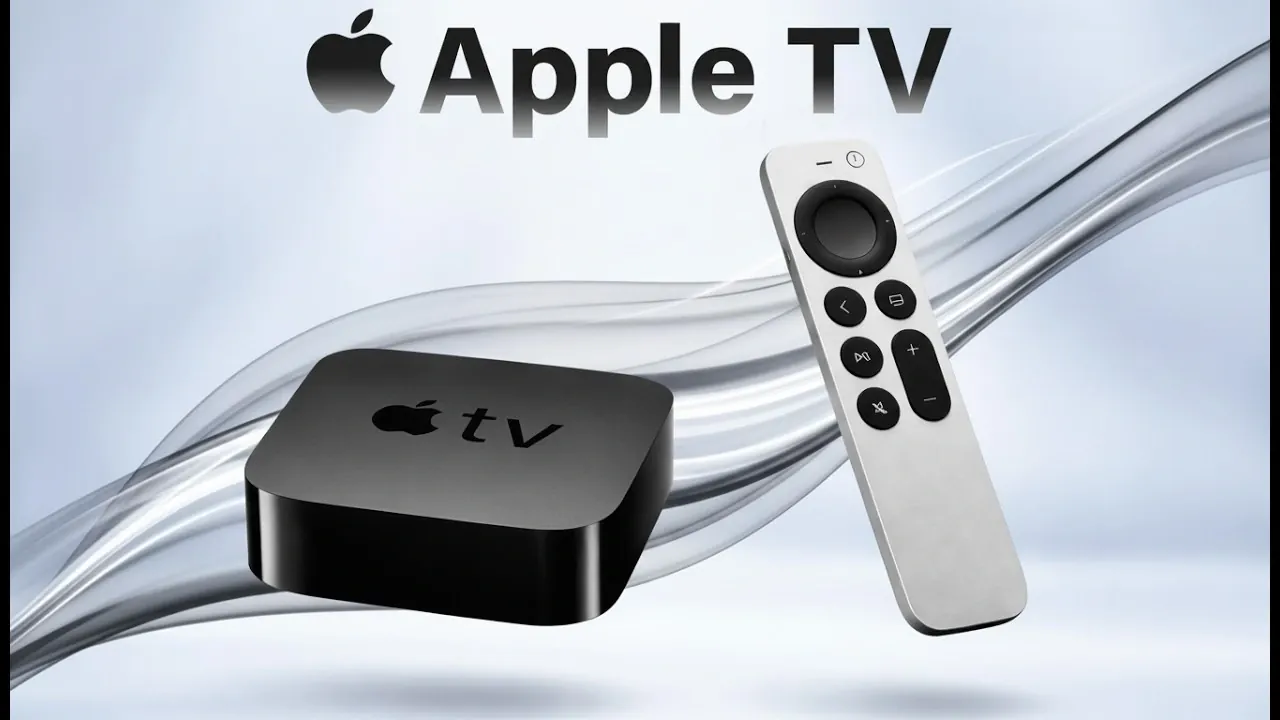
Apple is reportedly gearing up to launch a new Apple TV in April or May 2026, strategically timed just ahead of its annual Worldwide Developers Conference (WWDC) in June. This calculated release window could provide developers with the opportunity to test and optimize their applications on upgraded hardware before the debut of tvOS 27. With dwindling inventory of current Apple TV models and HomePod minis, the signs strongly suggest an imminent product refresh. Here’s a closer look at what this potential release could mean for you and the broader Apple ecosystem. The video below from Matt Talks Tech gives us more details about the 2026 Apple TV.
Why April Is a Strategic Launch Window
An April or May release positions the new Apple TV as a critical tool for developers preparing for WWDC. The upcoming tvOS 27 is expected to heavily integrate Apple Intelligence, the company’s advanced AI framework. However, the current Apple TV models, powered by the A15 chip, lack the processing power to fully use these next-generation features. By introducing the new model ahead of WWDC, Apple ensures that developers have access to the necessary hardware to optimize their apps and explore the full potential of the updated operating system.
This timing also aligns with Apple’s broader strategy of synchronizing hardware and software advancements. Developers can use the new Apple TV to test AI-driven features, making sure a seamless experience for users when tvOS 27 officially launches later in the year.
Hardware Upgrades: What’s Under the Hood?
The new Apple TV is rumored to feature the A17 Pro chip, marking a significant leap in performance compared to the A15 processor found in current models. This upgrade is expected to enhance a wide range of functionalities, from AI-driven features to gaming capabilities. The A17 Pro chip, built on a more advanced architecture, promises faster processing speeds and improved energy efficiency, making it ideal for handling demanding applications.
In addition to the upgraded chip, the device is likely to include 8GB of RAM, which would enable smoother multitasking and better support for resource-intensive apps. Storage options are expected to remain at 64GB and 128GB, unless Apple shifts its focus toward AAA gaming, which could necessitate larger storage capacities. These hardware improvements could redefine the Apple TV’s role, transforming it into a more versatile and powerful device within Apple’s ecosystem.
Gaming on Apple TV: A New Frontier?
The inclusion of the A17 Pro chip could position the Apple TV as a serious contender in the gaming market. With this hardware, the device may be capable of supporting AAA titles such as Resident Evil and Assassin’s Creed. These games could potentially run at 1080p resolution, enhanced by MetalFX upscaling for improved visuals. This would represent a significant step forward for Apple TV, expanding its appeal beyond streaming and into the realm of gaming.
If Apple decides to fully embrace gaming on this platform, it could attract a broader audience, including casual and dedicated gamers. However, the company’s long-term commitment to gaming on Apple TV remains uncertain. While the hardware upgrades are promising, the success of this initiative will depend on Apple’s ability to secure partnerships with game developers and deliver a robust gaming experience.
Design and Features: Subtle but Impactful Changes
Apple is expected to introduce modest yet meaningful design updates to the new Apple TV. One potential change is a shift from plastic to recycled materials or aluminum for the casing, aligning with Apple’s sustainability goals. This move would not only enhance the device’s durability but also reinforce Apple’s commitment to environmental responsibility.
Another anticipated feature is HDMI pass-through, which would improve compatibility with other home entertainment devices, such as soundbars and gaming consoles. Enhanced Dolby features, including Dolby Vision and Dolby Atmos, may further elevate the audio-visual experience, making the Apple TV a more compelling choice for home theater enthusiasts. While the Apple TV remote is unlikely to see major changes, these updates reflect Apple’s focus on refining the device’s core functionality to meet the evolving needs of its users.
Why the Market Needs an Upgrade
The current Apple TV lineup is increasingly out of sync with Apple’s evolving ecosystem. The A15 chip struggles to meet the demands of tvOS 27 and Apple Intelligence, underscoring the need for more advanced hardware. Additionally, low inventory levels of existing Apple TV models and HomePod minis suggest that Apple is phasing out older products in preparation for the new release.
This aligns with Apple’s broader strategy of retiring outdated technology to make way for innovation. By introducing a more powerful Apple TV, the company can ensure that its ecosystem remains cohesive and capable of supporting the latest advancements in software and hardware.
Pricing: Upgrades Without a Price Hike
Despite the anticipated hardware improvements, Apple is expected to maintain its current pricing structure. The Wi-Fi model will likely start at approximately $140, while the Ethernet model may be priced around $160. This pricing strategy ensures that the new Apple TV remains accessible to a wide range of consumers while delivering enhanced value through its upgraded features.
By avoiding a price increase, Apple can appeal to both new customers and existing users looking to upgrade their devices. This approach also reinforces the company’s commitment to providing high-quality products at competitive prices.
Beyond Entertainment: A Smart Home Hub
The new Apple TV is poised to play a central role in Apple’s smart home ecosystem. With built-in HomeKit integration, the device could serve as a smart home hub, allowing users to control their connected devices seamlessly. Enhanced Wi-Fi and Ethernet connectivity options further solidify its position as a reliable and versatile component of Apple’s product lineup.
As Apple continues to expand its smart home offerings, the new Apple TV could become a cornerstone of your connected home. Its ability to integrate with other Apple devices and services makes it a valuable addition to any smart home setup, offering convenience and functionality in a single package.
What This Means for You
If you’re a developer, gamer, or smart home enthusiast, the rumored April or May 2026 release of the new Apple TV could represent a significant opportunity. With substantial hardware upgrades, enhanced gaming potential and reinforced smart home capabilities, Apple is positioning this device as a pivotal part of its ecosystem.
Whether you’re looking to explore the latest in AI-driven features, dive into AAA gaming, or expand your smart home setup, the new Apple TV could offer a compelling combination of performance, versatility and value. This release may mark a turning point in how Apple TV is perceived, transforming it from a streaming device into a multifunctional hub for entertainment and innovation.
Deep dive into the latest in Apple TV 4k by exploring our other resources and articles.
- 2026 Apple TV 4K: Everything You Need to Know
- tvOS 26.4 Update for Apple TV 4K: Itunes Store Apps Removed
- 2026 Apple TV 4K Delayed: Hardware Ready, Siri Isn’t
- Why Apple Delayed the Apple TV 4K 2026
- Apple TV 2026: Features, Specs, and Release Date
- Apple TV 4K 2026: The Definitive Guide
Source & Image Credit: Matt Talks Tech
Disclosure: Some of our articles include affiliate links. If you buy something through one of these links, Geeky Gadgets may earn an affiliate commission. Learn about our Disclosure Policy.
